


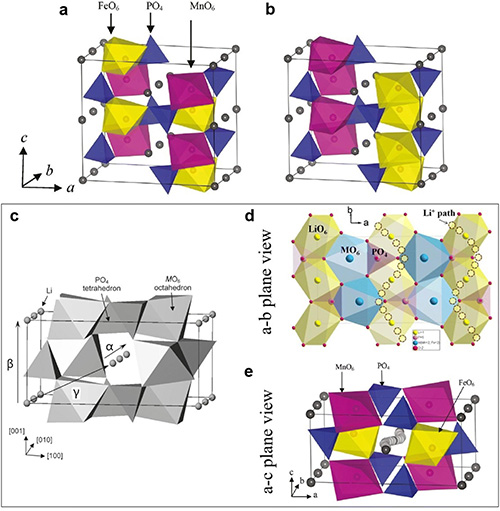
How Does Mn/Fe Ratio Affect LMFP Cathode Performance?
Lithium Manganese Iron Phosphate (LMFP) is an olivine-type phosphate cathode material with the general chemical formula LiMnₓFe₁₋ₓPO₄. By adjusting the relative proportions of manganese (Mn)

Lithium Manganese Iron Phosphate (LMFP) is an olivine-type phosphate cathode material with the general chemical formula LiMnₓFe₁₋ₓPO₄. By adjusting the relative proportions of manganese (Mn)
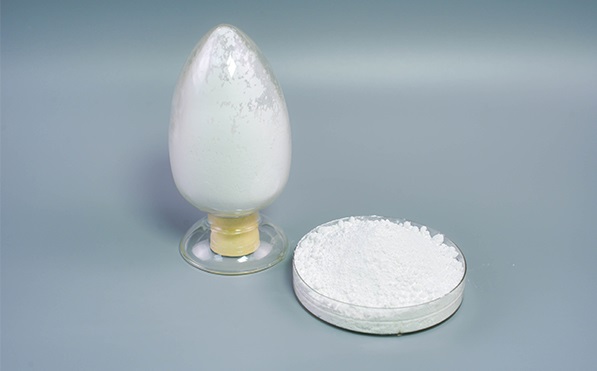
AlON powder is the starting material used to produce high-performance aluminum oxynitride (AlON) ceramics. For transparent AlON applications, powder quality has a direct influence on phase purity, densification, microstructure, and ultimately optical performance. Producing a
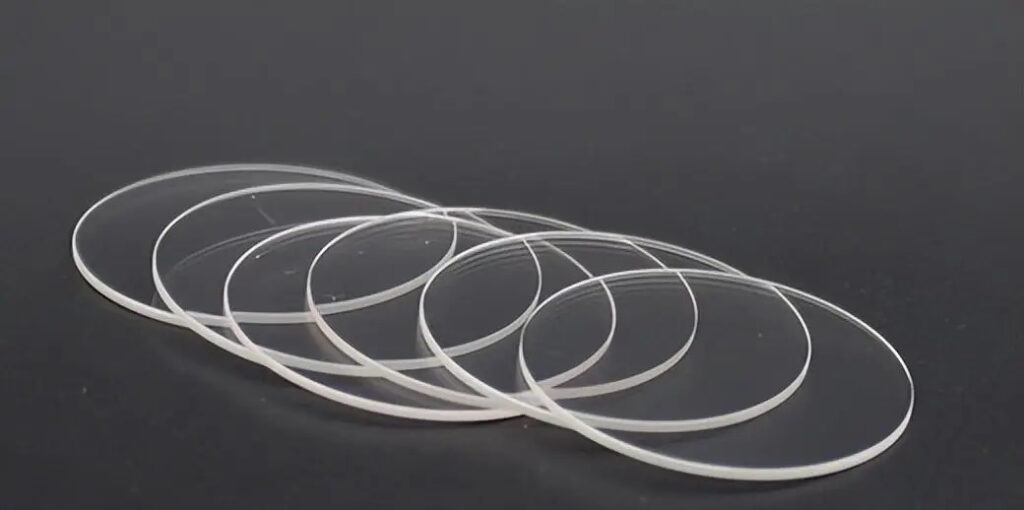
Aluminum oxynitride (AlON) is a transparent polycrystalline ceramic with a combination of optical, mechanical, thermal, and chemical properties that makes it attractive for demanding engineering applications. The performance characteristics of AlON Properties are particularly noteworthy.
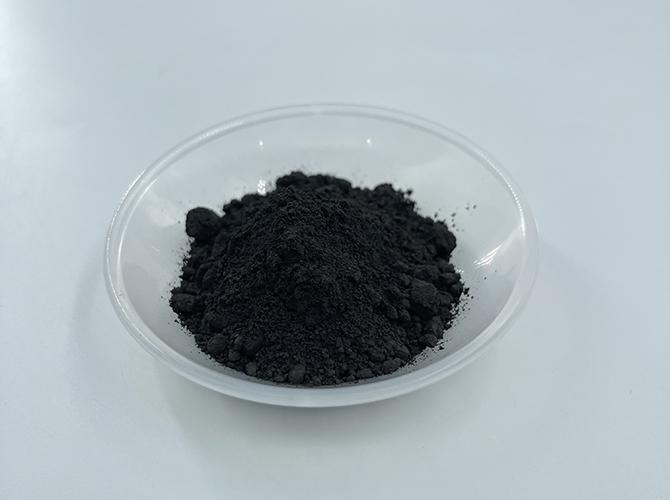
Niobium diboride (NbB₂) is an ultra-high-temperature ceramic (UHTC) known for its exceptional melting point, high hardness, excellent electrical conductivity, and outstanding chemical stability. These characteristics make it an important engineering ceramic for demanding environments such
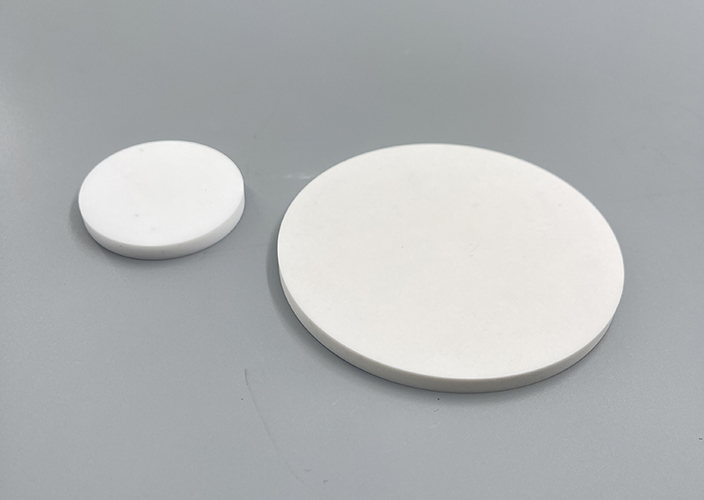
Physical Vapor Deposition (PVD) is one of the most widely used thin-film coating technologies in modern manufacturing. It is extensively applied in semiconductors, optics, solar energy, decorative coatings, cutting tools, medical devices, and many other
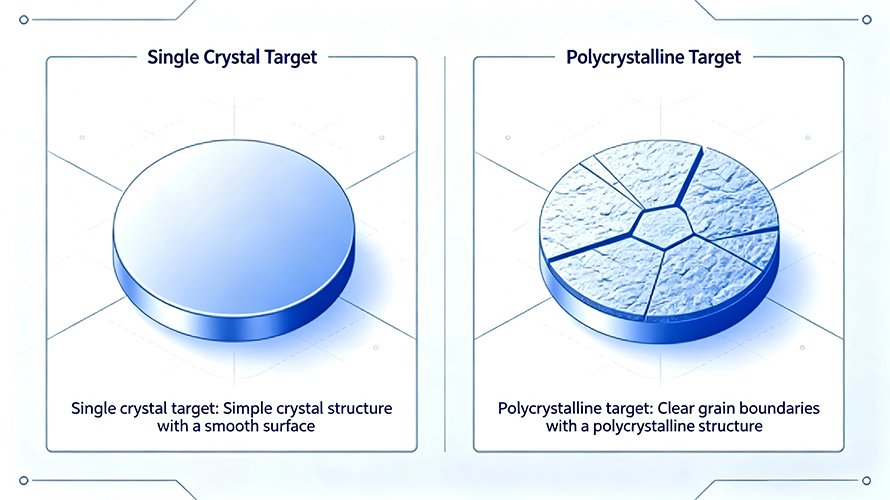
Silicon is best known as the foundation of semiconductor chips and solar cells. However, one of its most important high-value applications is often overlooked: silicon sputtering targets. As a critical material for physical vapor deposition
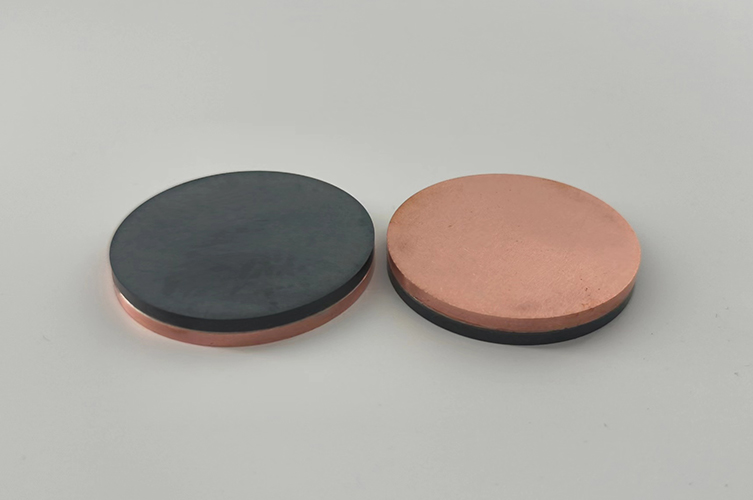
What Is an Indium Tin Oxide (ITO) Sputtering Target? An Indium Tin Oxide (ITO) sputtering target is a transparent conductive oxide (TCO) material widely used for depositing transparent conductive films. The standard composition consists of
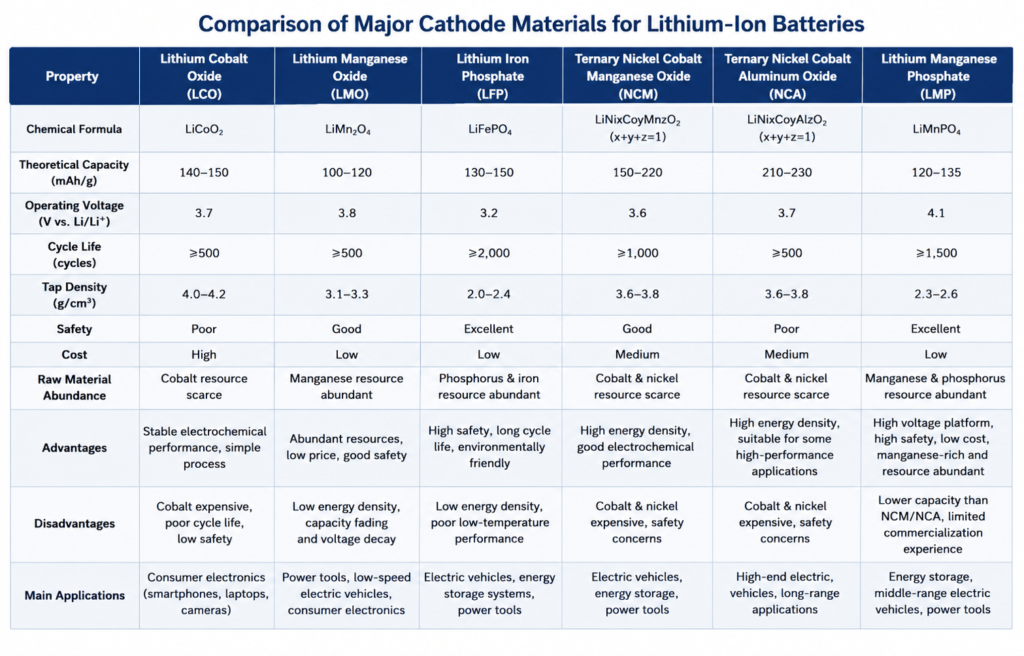
Cathode materials are the key electrode materials used in lithium-ion and sodium-ion batteries. They reversibly host and release lithium or sodium ions during charge and discharge cycles, directly influencing a battery’s energy density, safety, cycle
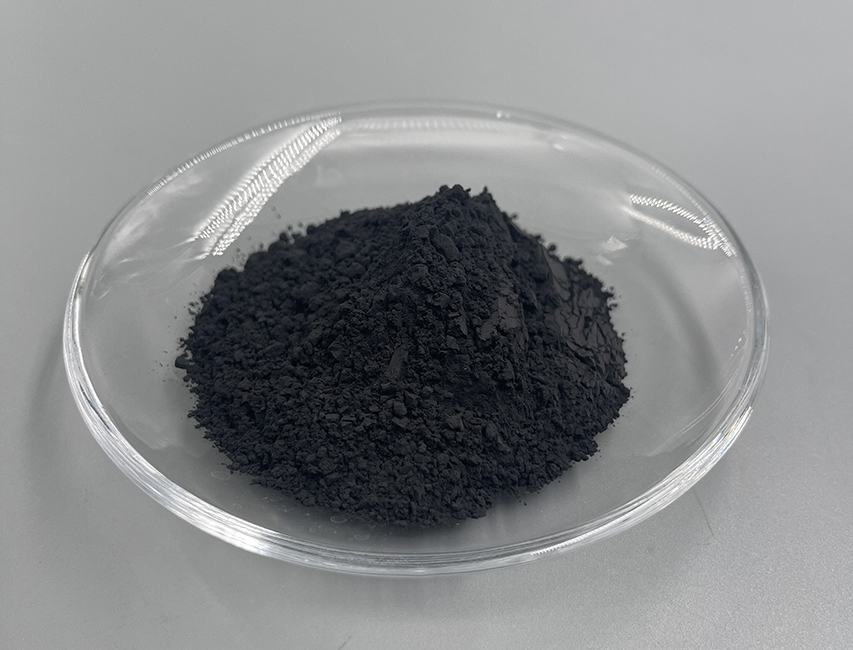
What Are Battery Materials? Definition of Battery Materials Battery materials refer to the functional materials that make up the core components of a battery and enable the reversible conversion between chemical energy and electrical energy.
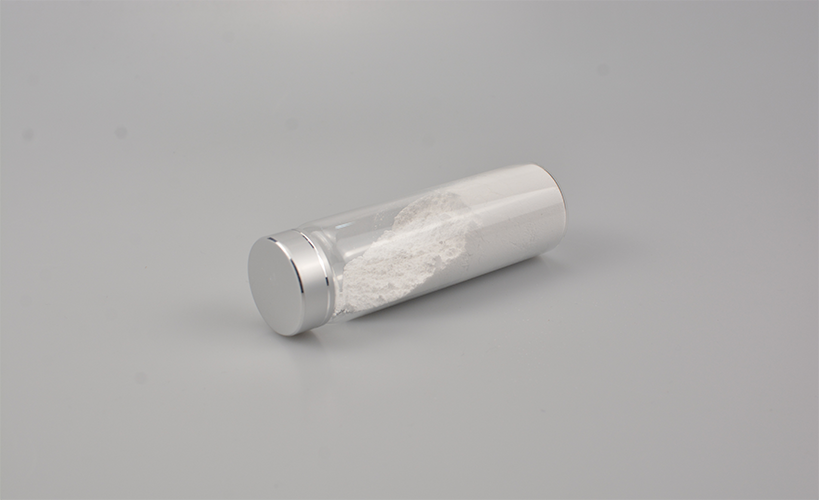
Nanotechnology is playing an increasingly important role in shaping the future of advanced manufacturing, clean energy, healthcare, and environmental protection. Among the many materials under development, oxide nanomaterials stand out because their properties can be
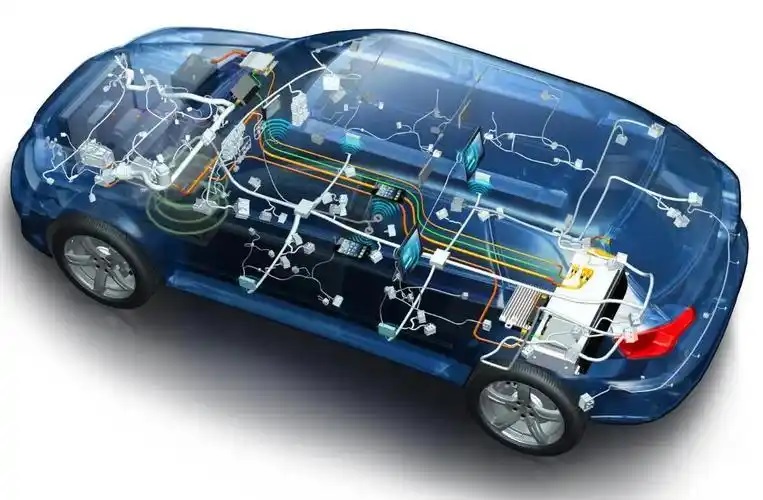
As the global automotive industry shifts toward electrification, rare earth elements have become indispensable to the development of new energy vehicles (NEVs). Demand is particularly strong for both light and heavy rare earth elements, which
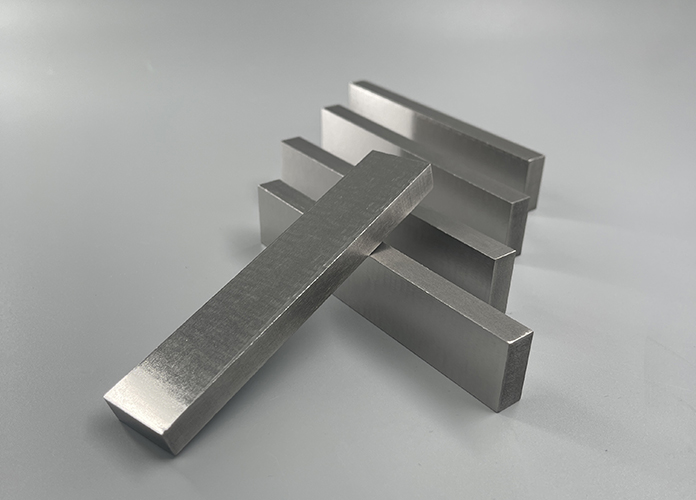
High-purity sputtering targets are one of the most critical materials in semiconductor manufacturing. Their purity, density, and microstructural uniformity directly affect thin-film quality, chip performance, and overall production yield. Inferior sputtering targets can introduce impurities
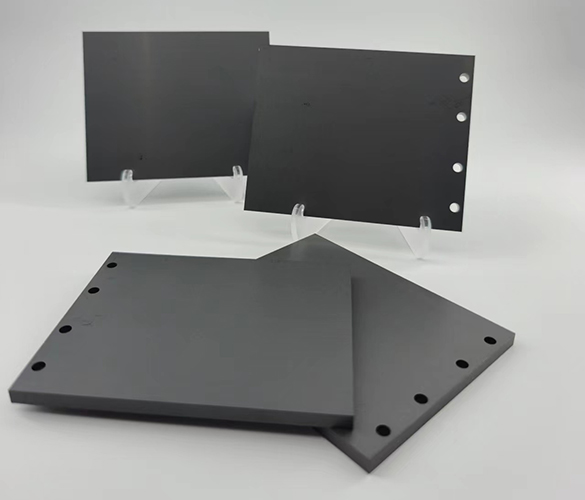
1. What Are Ultra-High Temperature Ceramics? Ultra-High Temperature Ceramics (UHTCs) are a special class of ceramic materials capable of maintaining their physical and chemical stability under extreme conditions, including temperatures above 2,000°C and highly reactive