


What Are Battery Materials?
Definition of Battery Materials
Battery materials refer to the functional materials that make up the core components of a battery and enable the reversible conversion between chemical energy and electrical energy. These materials primarily include cathode materials, anode materials, electrolyte materials, separators, and various auxiliary materials.
Battery materials do not function independently. Instead, they operate as an integrated system in which electrochemical reactions occur through ion insertion, extraction, or conversion processes during charging and discharging. The performance of battery materials directly determines a battery’s energy density, power density, cycle life, safety, and manufacturing cost.
Main Categories of Battery Materials
| Category | Typical Materials | Primary Function |
|---|---|---|
| Cathode Materials | LFP, LMFP, NCM, NVP, NTP | Store and release lithium or sodium ions |
| Anode Materials | Graphite, Silicon-based Materials, LTO | Reversibly host ions during charge and discharge |
| Electrolyte Materials | LiPF₆, Solid-State Electrolytes | Enable ionic transport |
| Separator Materials | PE, PP, Ceramic-Coated Separators | Prevent internal short circuits |
| Conductive Materials | Carbon Black, CNT | Improve electronic conductivity |
| Current Collectors | Copper Foil, Aluminum Foil | Conduct electrical current |
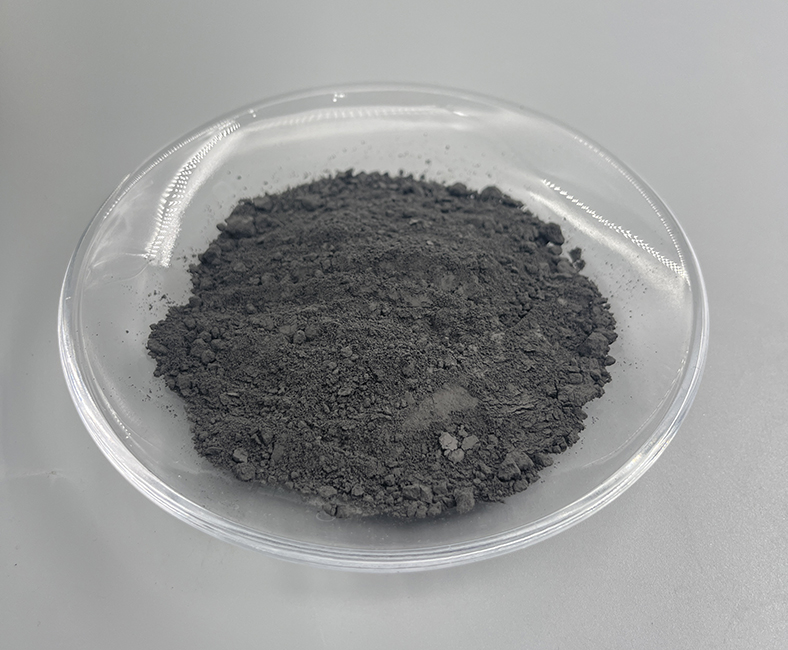
Battery Fundamentals
Battery Types
Primary Battery
A primary battery can be discharged only once and cannot be recharged after use.
Applications: Remote controls, flashlights, cameras, medical instruments, timers, and other portable electronic devices.
Secondary Battery
A secondary battery, also known as a rechargeable battery, can undergo repeated charging and discharging cycles.
Applications: Smartphones, tablets, electric vehicles, energy storage systems, and industrial equipment.
Lithium-Ion Battery (LIB)
A lithium-ion battery stores and releases energy through the reversible movement of lithium ions between the cathode and anode. During charging, lithium ions migrate from the cathode through the electrolyte and are inserted into the anode. During discharge, the ions return to the cathode, generating electrical energy.
Modern lithium-ion battery materials consist of four essential components:
- Cathode materials
- Anode materials
- Electrolytes containing lithium salts
Separators
The cathode largely determines energy density and cost, the anode influences cycle life and fast-charging capability, the electrolyte enables ion transport, and the separator ensures safe isolation between electrodes.
Sodium-Ion Battery (SIB)
Sodium-ion batteries operate on principles similar to lithium-ion batteries but use sodium ions as charge carriers. Because sodium is abundant and inexpensive, sodium-ion battery materials offer advantages in cost, low-temperature performance, and safety. However, their energy density is generally lower than that of lithium-ion batteries.
Typical applications: Grid-scale energy storage systems, low-speed electric vehicles, and energy storage solutions in cold environments.
Cathode Materials Glossary
Chemical Formula: LiFePO₄
Lithium Iron Phosphate (LFP) possesses an olivine crystal structure belonging to the orthorhombic Pnma space group. The robust crystal framework remains highly stable under elevated temperatures, overcharging conditions, and mechanical abuse such as puncture or compression.
LFP cathode materials offer:
- Excellent safety performance
- Long cycle life
- Environmentally friendly composition
- Moderate energy density
Because LFP contains no heavy metals and exhibits exceptional thermal stability, it has become one of the most widely used cathode materials in electric vehicles and stationary energy storage systems.
Chemical Formula: LiMnxFe1-xPO₄
Lithium Manganese Iron Phosphate (LMFP) adopts an olivine-type orthorhombic structure and inherits the strong polyanion framework and one-dimensional lithium-ion diffusion channels of LFP.
Compared with LFP, manganese incorporation significantly increases the operating voltage and energy density, typically improving energy density by approximately 10% to 20%. However, the addition of manganese also reduces electronic conductivity.
Due to its combination of high energy density, safety, and relatively low cost, LMFP powder is widely considered one of the most promising next-generation lithium-ion battery cathode materials.
Chemical Formula: LiNixMnyCozO₂ (x + y + z = 1)
Lithium Nickel Manganese Cobalt Oxide (NCM), commonly called a ternary cathode material, consists primarily of nickel, manganese, and cobalt.
Typical compositions include:
- NCM111
- NCM523
- NCM622
- NCM811
By adjusting the elemental ratios, manufacturers can optimize energy density, safety, cycle life, and production cost.
Key characteristics include:
- High energy density, especially in high-nickel compositions
- Good structural stability provided by manganese
- Balanced electrochemical performance suitable for electric vehicles and consumer electronics
NCA is a nickel-cobalt-aluminum cathode material in which aluminum partially replaces manganese compared with NCM materials.
Although aluminum contributes little to capacity, it significantly stabilizes the crystal structure and improves thermal stability.
NCA cathode materials provide:
- Extremely high energy density
- Long driving range
- Excellent performance in premium electric vehicles
Chemical Formula: LiCoO₂
Lithium Cobalt Oxide (LCO) is one of the earliest commercialized lithium-ion battery cathode materials. It offers high energy density and stable electrochemical performance and is widely used in smartphones, laptops, cameras, and other portable electronic devices.
Chemical Formula: LiMn₂O₄
Lithium Manganese Oxide (LMO) possesses a cubic spinel structure that provides excellent thermal stability and cycling performance.
Advantages include:
- Low cost
- High operating voltage
- Environmentally friendly composition
- Good safety performance
7. Sodium-Ion Cathode Materials
Sodium-ion cathode materials have attracted considerable attention in recent years due to their high safety and cost advantages.
Major categories include:
- Layered Oxides
- Prussian Blue Analogues (PBA)
- Polyanionic Compounds
Typical materials include:
- Sodium Vanadium Phosphate (NVP), Na₃V₂(PO₄)₃
- Sodium Titanium Phosphate (NTP), NaTi₂(PO₄)₃
- Prussian Blue Analogues (PBA)
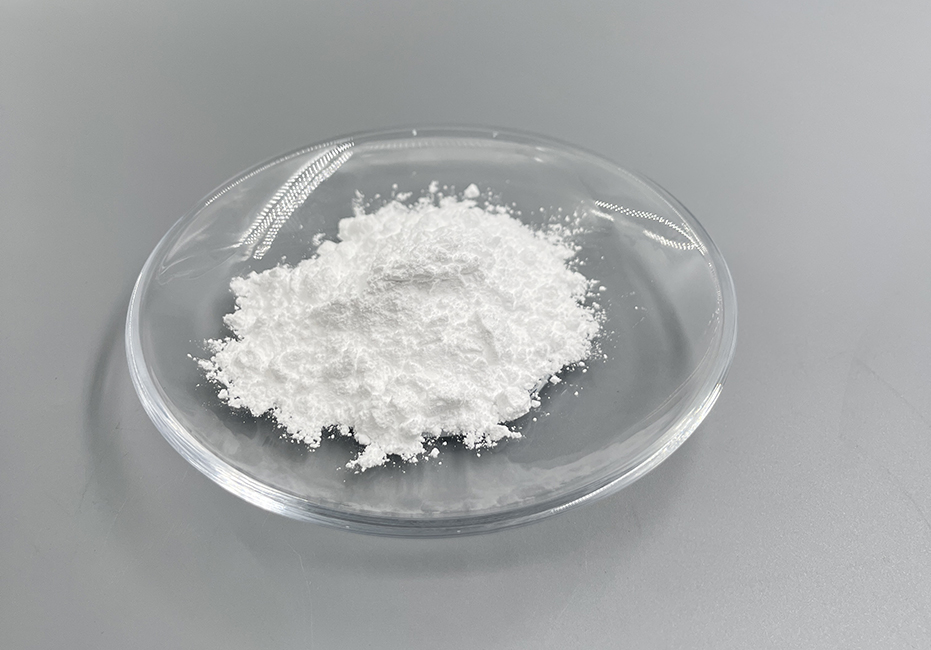
Anode Materials Glossary
1. Graphite
Graphite was the first commercially successful anode material for lithium-ion batteries because of its:
- High electronic conductivity
- Fast lithium-ion diffusion
- Minimal volume change during lithiation and delithiation
- High reversible capacity
- Low operating potential
2. Silicon Anode Materials
Silicon-based anode materials consist of elemental silicon or silicon-containing compounds such as silicon oxide and silicon-carbon composites.
Compared with graphite, silicon anodes possess substantially higher theoretical specific capacity and can significantly improve battery energy density. Therefore, silicon anode materials are regarded as a critical technology for next-generation high-energy batteries.
3. Lithium Titanate (LTO)
Chemical Formula: Li₄Ti₅O₁₂
Lithium Titanate (LTO) is known as a “zero-strain” material because it undergoes almost no volume expansion during charge and discharge cycles.
Its advantages include:
- Outstanding safety
- Excellent fast-charging capability
- Wide operating temperature range
- Long cycle life
LTO is widely used in high-power batteries and applications requiring exceptional safety and durability.
Electrolyte Materials Glossary
1. Liquid Electrolytes
Liquid electrolytes generally consist of:
- Lithium salts
- Organic solvents
- Functional additives
A common example is LiPF₆ dissolved in carbonate solvents.
Liquid electrolytes provide high ionic conductivity but may present safety concerns such as leakage, flammability, and thermal runaway.
2. Solid-State Electrolytes
Solid-state electrolytes are typically composed of polymers, oxides, or sulfides. Compared with liquid electrolytes, they offer superior mechanical strength and significantly improved safety.
Common solid-state electrolyte materials include:
Oxide Electrolytes: LLZO
Sulfide Electrolytes: Li₁₀GeP₂S₁₂
Polymer Electrolytes: Solid-state electrolytes are regarded as one of the key enabling technologies for next-generation solid-state batteries.
Battery Additives
1. Conductive Additives
Conductive additives are incorporated into electrode formulations to improve electronic conductivity.
Typical conductive materials include:
- Carbon Black
- Carbon Nanotubes (CNT)
- Graphene
2. Binders
Battery binders maintain the structural integrity of electrode materials and ensure stable adhesion during repeated charge and discharge cycles.
Common binders include:
- Polyvinylidene Fluoride (PVDF)
- Carboxymethyl Cellulose (CMC)
- Styrene-Butadiene Rubber (SBR)
3. Coating Materials
Common coating materials include:
Battery Material Performance Terms
Energy Density
The amount of energy stored per unit mass or volume, generally expressed in Wh/kg or Wh/L.
Factors affecting energy density include:
- Intrinsic material properties
- Tap density
- Carbon content
- Specific capacity
Specific Capacity
The amount of electrical charge that can be stored or released per unit mass of active material, typically expressed in mAh/g.
Cycle Life
The number of charge-discharge cycles that a rechargeable battery can undergo before its capacity falls below a specified threshold.
Rate Capability
The ability of a battery to charge and discharge rapidly while maintaining performance.
Bulk Density
The natural packing density of powder materials.
Tap Density
The mass per unit volume of powder after standardized vibration or tapping. Tap density directly influences the volumetric energy density of batteries.
Specific Surface Area
The total surface area per unit mass, expressed in m²/g. It strongly influences electrochemical reaction kinetics and interfacial side reactions.
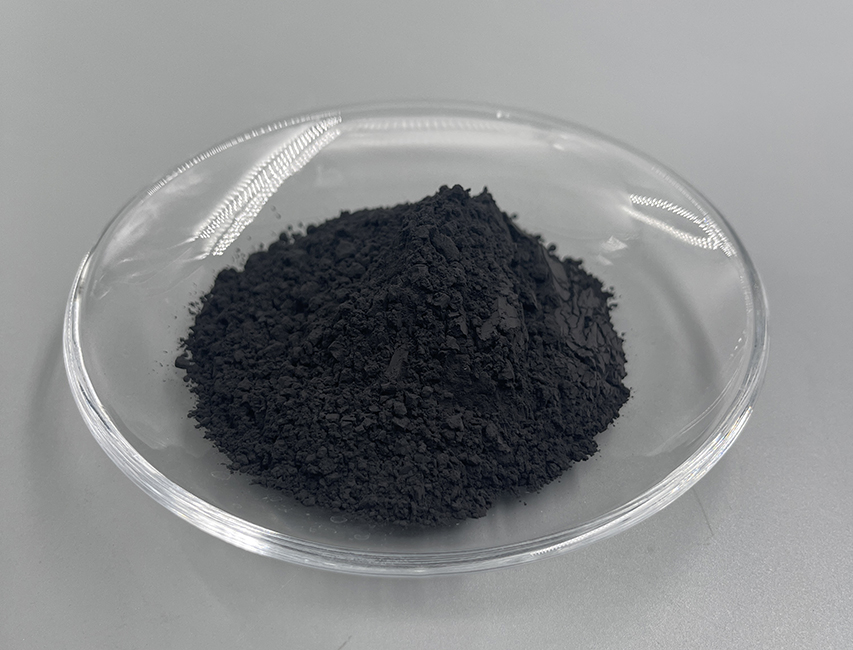
Battery Material Structure Terms
Common crystal structures in battery materials include:
- Olivine Structure
- Layered Structure
- Spinel Structure
- NASICON Structure
Battery Material Processing and Synthesis Methods
Solid-State Synthesis
A high-temperature process in which solid precursors react through atomic and ionic diffusion to form thermodynamically stable crystalline phases.
Sol-Gel Method
A synthesis route in which metal alkoxides or inorganic salts undergo hydrolysis and condensation reactions, producing highly homogeneous battery materials.
Hydrothermal Method
A high-temperature and high-pressure process conducted in sealed reactors, enabling controlled crystallization and morphology engineering.
Spray Drying
A process in which liquid precursors are atomized into fine droplets and rapidly dried, directly producing spherical secondary particles.
Calcination
A thermal treatment process that promotes precursor decomposition, atomic diffusion, and crystal growth to obtain highly crystalline electrode and electrolyte materials.
Battery Material Characterization Techniques
XRD (X-ray Diffraction): Crystal structure and phase identification
SEM (Scanning Electron Microscopy): Surface morphology analysis
TEM (Transmission Electron Microscopy): Nanostructure and atomic-scale characterization
XPS (X-ray Photoelectron Spectroscopy): Surface composition and oxidation state analysis
ICP-MS: Elemental composition analysis
BET: Specific surface area measurement
Advanced Battery Materials
Solid-State Battery
Rechargeable batteries that partially or completely replace liquid electrolytes and separators with solid-state electrolytes.
Lithium Metal Battery
Rechargeable batteries that employ metallic lithium or lithium alloys as the anode material.
Sodium-Ion Battery
Rechargeable batteries that use sodium ions as charge carriers and operate through reversible ion insertion and extraction processes.
Lithium-Sulfur Battery
Rechargeable batteries that use metallic lithium as the anode and sulfur as the cathode active material.
Metal-Air Battery
Electrochemical energy storage systems that use active metals as anodes and oxygen from ambient air as the cathode reactant.
Common Battery Material Abbreviations
| Abbreviation | Full Name | Chemical Formula |
|---|---|---|
| LFP | Lithium Iron Phosphate | LiFePO4 |
| LMFP | Lithium Manganese Iron Phosphate | LiMnxFe1-xPO4 |
| NCM | Lithium Nickel Manganese Cobalt Oxide | LiNixMnyCozO2 |
| NCA | Lithium Nickel Cobalt Aluminum Oxide | LiNixCoyAlzO2 |
| LTO | Lithium Titanate | Li4Ti5O12 |
| NVP | Sodium Vanadium Phosphate | Na3V2(PO4)3 |
| NTP | Sodium Titanium Phosphate | NaTi2(PO4)3 |
| CNT | Carbon Nanotube | C |
Frequently Asked Questions (FAQs)
What are battery materials?
Battery materials are the functional materials that make up a battery, including cathodes, anodes, electrolytes, separators, and additives. They determine the battery’s energy density, cycle life, safety, and performance.
What are the main types of cathode materials?
The main types of cathode materials include phosphate materials, layered oxides, spinel materials, and sodium-ion cathode materials. Representative examples include LFP, LMFP, NCM, NCA, LMO, and Prussian Blue Analogues (PBA).
What is the difference between LFP and LMFP?
Both LFP and LMFP offer excellent safety and long cycle life. Compared with LFP, LMFP contains manganese, providing higher operating voltage and energy density.
What is the NASICON structure in battery materials?
NASICON (Sodium Super Ionic Conductor) is a three-dimensional crystal structure with high ionic conductivity and excellent structural stability, making it ideal for advanced sodium-ion battery materials.
What are the advantages of solid-state battery materials?
Solid-state battery materials offer improved safety, higher thermal stability, and the potential for higher energy density compared with conventional liquid electrolyte systems.