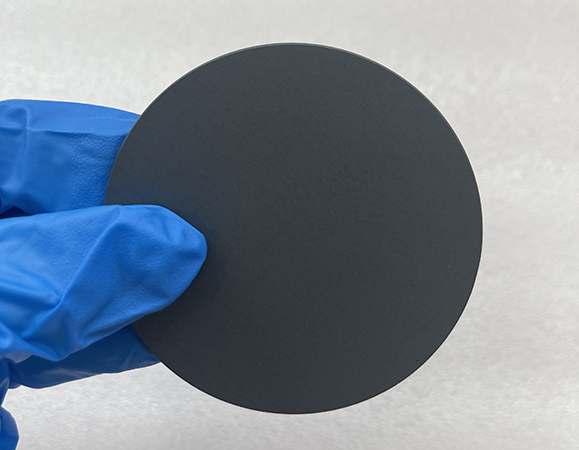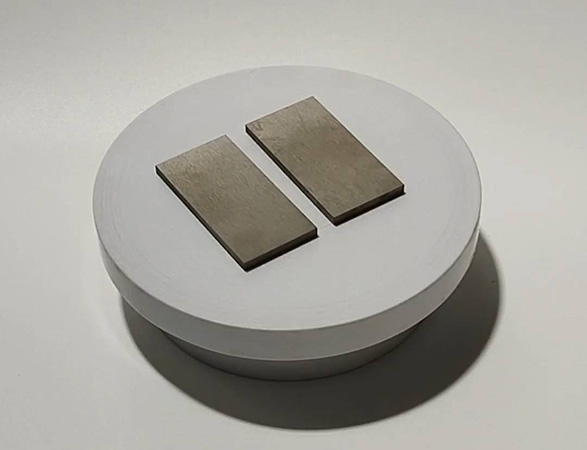
How to make sputtering target?
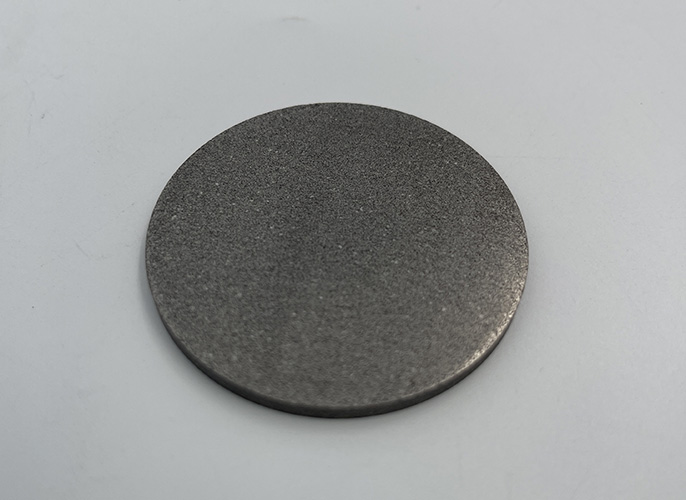
Sputtering targets are materials used for thin film deposition. Sputtering technology is used to sputter material atoms or molecules from solid targets and then form
Our official blog with news, technology advice, and business culture.

Sputtering targets are materials used for thin film deposition. Sputtering technology is used to sputter material atoms or molecules from solid targets and then form

Zirconium, a silvery-white transition metal, may not shine like gold or silver, yet with its strong resistance to corrosion and high temperatures, along with its low neutron absorption capacity, it has become the “invisible guardian”

In the field of advanced materials, hafnium (Hf) has become an indispensable element in nuclear energy, semiconductors, aerospace, and other high-tech industries due to its unique physical and chemical properties. With the rise of nanotechnology, hafnium-based

In the field of advanced manufacturing and new materials, hafnium (Hf) is renowned for its high melting point, excellent corrosion resistance, and strong neutron absorption capability. With the rapid development of powder metallurgy and additive manufacturing

Hafnium (Hf) isn’t a well-known metal, but it plays a crucial role in high-end fields such as aerospace, nuclear energy, and electronics. Hafnium powder, in particular, is becoming a popular choice in new materials research

What is zirconium powder? Zirconium powder is a gray metallic powder (chemical symbol Zr) with a high melting point, excellent corrosion resistance, and flammability. It is widely used in the nuclear industry, aerospace, and electronic devices.

Cubic zinc sulfide (ZnS) is a well-known II–VI semiconductor material that has attracted great attention due to its wide band gap, excellent infrared transmission, and unique luminescence properties. It crystallizes in the zinc blende structure,

When you think of things that shine in the dark—glow-in-the-dark star stickers on ceilings, novelty toys, or even the hands of old wristwatches—you’re most likely thinking of a remarkable compound called zinc sulfide. But this

What is Zinc Selenide? Zinc selenide (ZnSe) is a II-VI compound semiconductor material with a face-centered cubic crystal structure and excellent physical and chemical properties. It has a density of 5.42 g/cm³ and offers a

Tantalum ethoxide, also known as tantalum(V) ethoxide, is an organometallic compound with the molecular formula C₁₀H₂₅O₅Ta and a molecular weight of 406.2901. It typically exists in liquid form and possesses specific physical and chemical properties.

1. What’s the difference in crystal structure and properties between Si3N4 and SiC? A. Silicon Nitride (Si₃N₄) Silicon nitride (Si3N4) is a ceramic material composed of silicon (Si) and nitrogen (N). Its chemical structure features

Cerium silicide, a compound formed by the mysterious rare earth element cerium and the common element silicon, possesses extraordinary properties. Cerium, a star member of the rare earth family, endows CeSi2 with unique “magic,” enabling

In the field of scientific research, finding a material that combines both metallic and ceramic properties has long been a dream for scientists. The Ti3AlC2/MXene material we are introducing today is precisely such a remarkable