


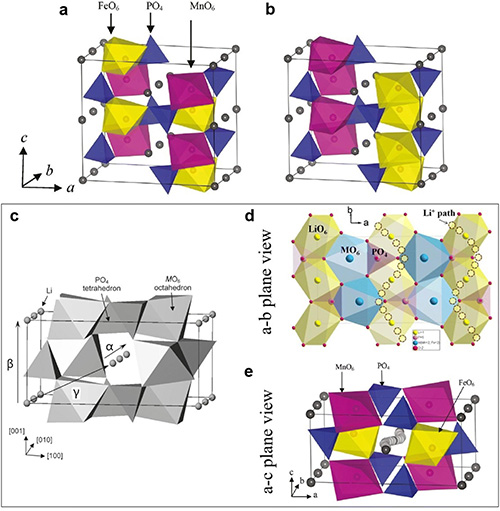
How Does Mn/Fe Ratio Affect LMFP Cathode Performance?
Lithium Manganese Iron Phosphate (LMFP) is an olivine-type phosphate cathode material with the general chemical formula LiMnₓFe₁₋ₓPO₄. By adjusting the relative proportions of manganese (Mn)

Lithium Manganese Iron Phosphate (LMFP) is an olivine-type phosphate cathode material with the general chemical formula LiMnₓFe₁₋ₓPO₄. By adjusting the relative proportions of manganese (Mn)

You may have encountered “lithium chloride” in chemistry lessons, seen it on product labels, or heard of it in battery or air treatment applications. So, a common question arises: is lithium chloride toxic? In short,
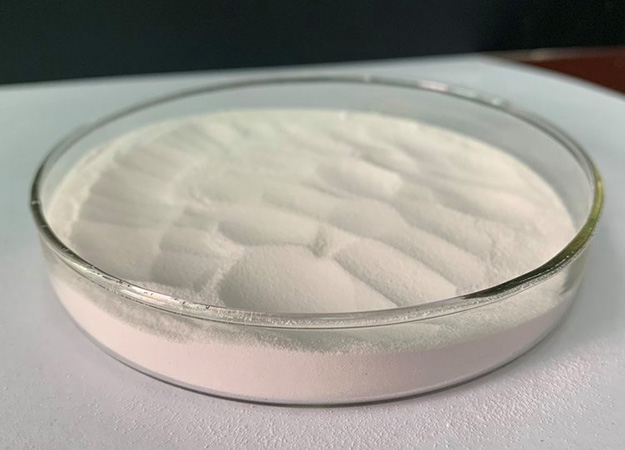
Lithium chloride, with the chemical formula LiCl, is an important chemical raw material. It is a white crystalline solid with strong hygroscopic properties. It is widely used in the electrolytic extraction of lithium metal, air conditioning
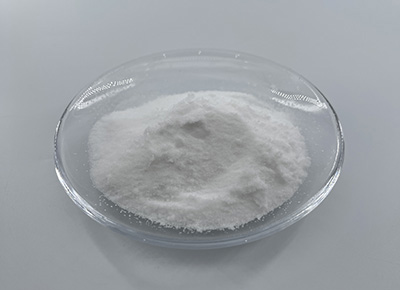
Lithium chloride formula LiCl is a highly soluble white crystalline lithium salt that is deliquescent and has a salty taste. It is classified as low toxicity, but it causes strong irritation and corrosion to the eyes
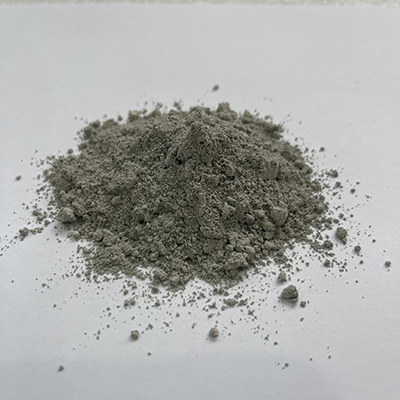
What is silicon nitride? Silicon nitride, with the chemical formula Si3N4, is a new type of inorganic non-metallic material composed of silicon and nitrogen in a specific ratio. It is an important member of the
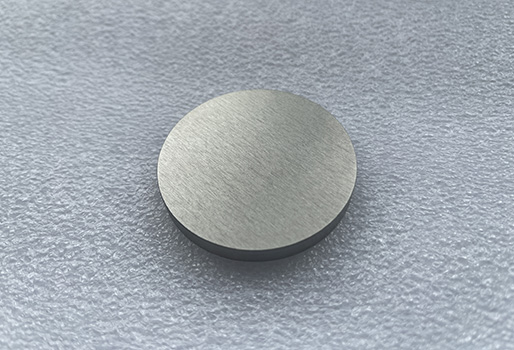
Zirconium sputtering targets are disc-shaped or plate-shaped materials made from zirconium, primarily used in the sputtering deposition process in the electronics industry. During high-temperature sputtering, these targets are deposited onto substrates to form the desired
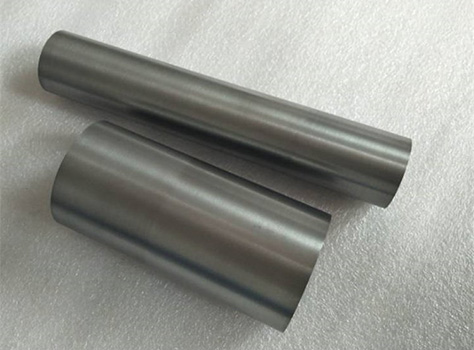
Zirconium, a silvery-white transition metal, may not shine like gold or silver, yet with its strong resistance to corrosion and high temperatures, along with its low neutron absorption capacity, it has become the “invisible guardian”
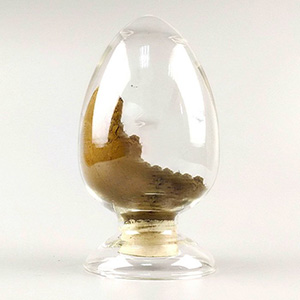
In the field of advanced materials, hafnium (Hf) has become an indispensable element in nuclear energy, semiconductors, aerospace, and other high-tech industries due to its unique physical and chemical properties. With the rise of nanotechnology, hafnium-based
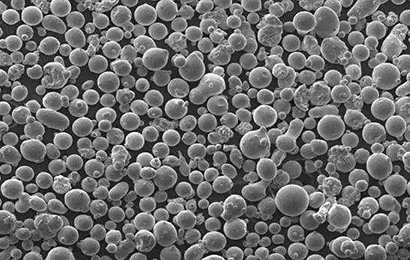
In the field of advanced manufacturing and new materials, hafnium (Hf) is renowned for its high melting point, excellent corrosion resistance, and strong neutron absorption capability. With the rapid development of powder metallurgy and additive manufacturing
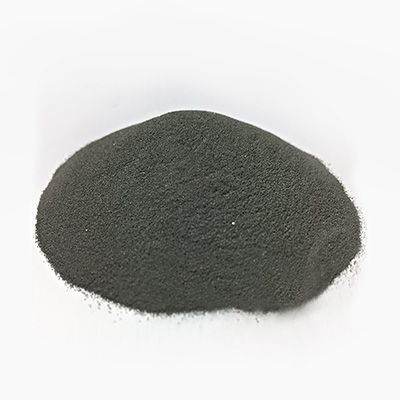
Hafnium (Hf) isn’t a well-known metal, but it plays a crucial role in high-end fields such as aerospace, nuclear energy, and electronics. Hafnium powder, in particular, is becoming a popular choice in new materials research
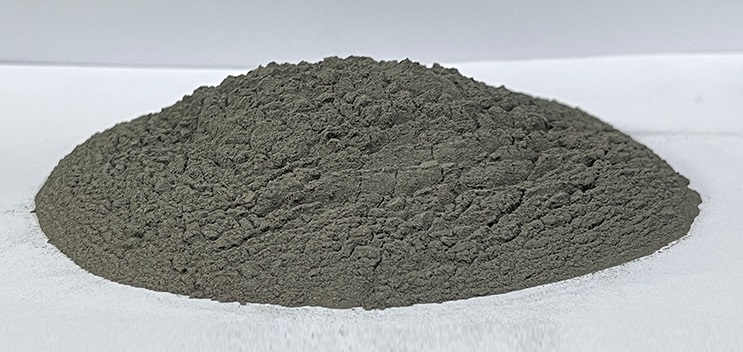
What is zirconium powder? Zirconium powder is a gray metallic powder (chemical symbol Zr) with a high melting point, excellent corrosion resistance, and flammability. It is widely used in the nuclear industry, aerospace, and electronic devices.
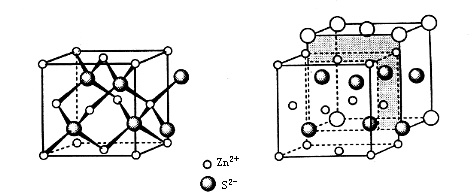
Cubic zinc sulfide (ZnS) is a well-known II–VI semiconductor material that has attracted great attention due to its wide band gap, excellent infrared transmission, and unique luminescence properties. It crystallizes in the zinc blende structure,

What is Zinc Selenide? Zinc selenide (ZnSe) is a II-VI compound semiconductor material with a face-centered cubic crystal structure and excellent physical and chemical properties. It has a density of 5.42 g/cm³ and offers a