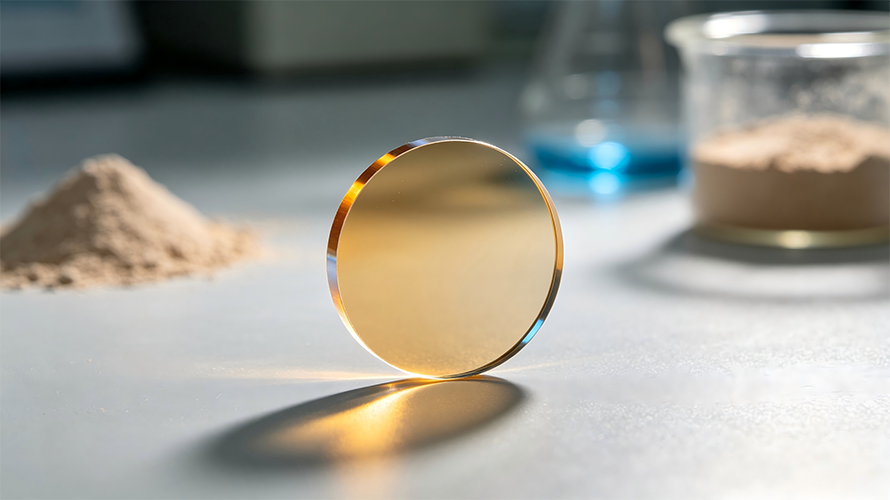
How to make sputtering target?
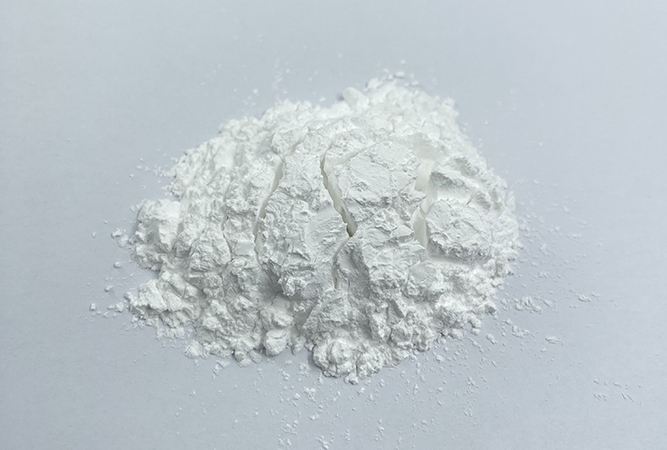
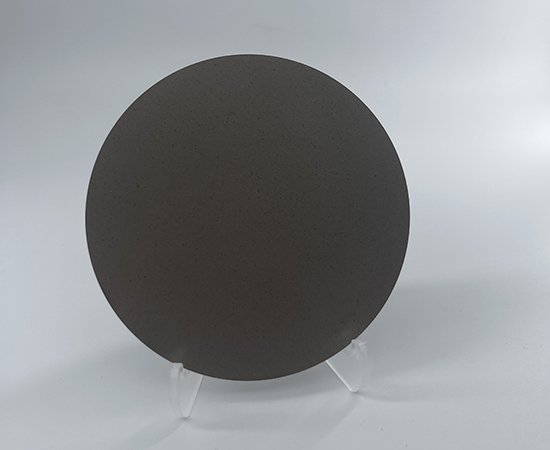
Sputtering targets are materials used for thin film deposition. Sputtering technology is used to sputter material atoms or molecules from solid targets and then form
Our official blog with news, technology advice, and business culture.

Sputtering targets are materials used for thin film deposition. Sputtering technology is used to sputter material atoms or molecules from solid targets and then form

Niobium is a silver-gray, lustrous transition metal known for its exceptional strength, ductility, superconductivity, and corrosion resistance. It is widely used in aerospace, superconducting materials, and many other high-technology fields. What is niobium used for?

Niobium alloys are valued for their exceptional high-temperature strength, corrosion resistance, and unique superconducting properties. They play an important role in aerospace propulsion systems, superconducting magnets, chemical processing equipment, and nuclear technology. Below is an

Niobium C-103 Alloy: Pushing the Limits of Performance and Leading a New Era of Ultra-High-Temperature Materials As a high-performance refractory metal alloy, C-103 alloy stands out for its exceptional resistance to high temperatures, corrosion, and

Chromium sputtering targets are PVD (Physical Vapor Deposition) materials made from high-purity chromium (typically ≥99.95%) and widely used in magnetron sputtering and related coating processes. Chromium, a silver-white transition metal, holds a special place in

Spherical C103 alloy powder is an alloy material with niobium (Nb) as its main matrix. Due to its high-temperature resistance and good stability, it is used in some special applications. What is Spherical C103 Alloy

On humanity’s long journey in search of clean energy, nuclear power—thanks to its astonishing energy density and low-carbon characteristics—has become a crucial pillar of the global energy transition. However, the safe and stable operation of

Anhydrous lithium chloride, this seemingly ordinary inorganic compound, actually plays an irreplaceable role across multiple fields. As an inorganic substance, its molecular formula is LiCl, with a molecular weight of 42.39 g/mol. It exists as

You may have encountered “lithium chloride” in chemistry lessons, seen it on product labels, or heard of it in battery or air treatment applications. So, a common question arises: is lithium chloride toxic? In short,

Lithium chloride, with the chemical formula LiCl, is an important chemical raw material. It is a white crystalline solid with strong hygroscopic properties. It is widely used in the electrolytic extraction of lithium metal, air conditioning

Lithium chloride formula LiCl is a highly soluble white crystalline lithium salt that is deliquescent and has a salty taste. It is classified as low toxicity, but it causes strong irritation and corrosion to the eyes

What is silicon nitride? Silicon nitride, with the chemical formula Si3N4, is a new type of inorganic non-metallic material composed of silicon and nitrogen in a specific ratio. It is an important member of the

Zirconium sputtering targets are disc-shaped or plate-shaped materials made from zirconium, primarily used in the sputtering deposition process in the electronics industry. During high-temperature sputtering, these targets are deposited onto substrates to form the desired