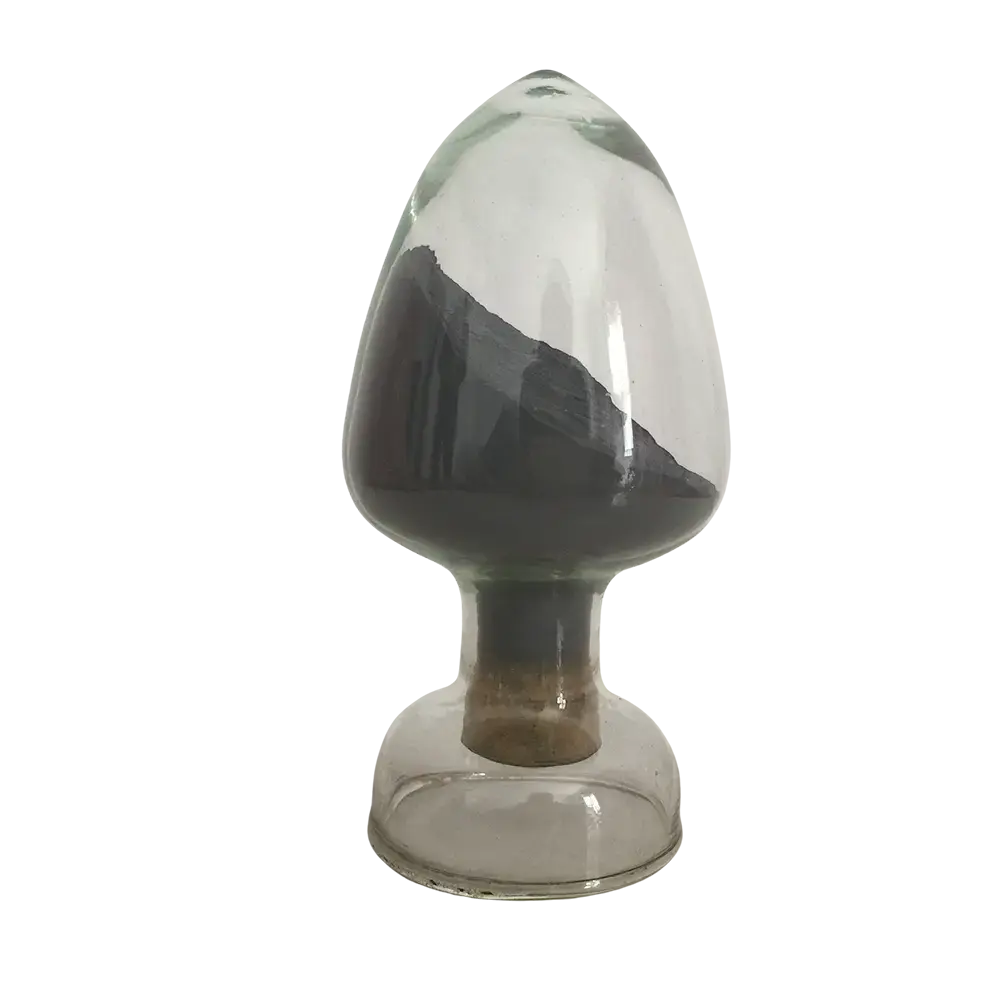
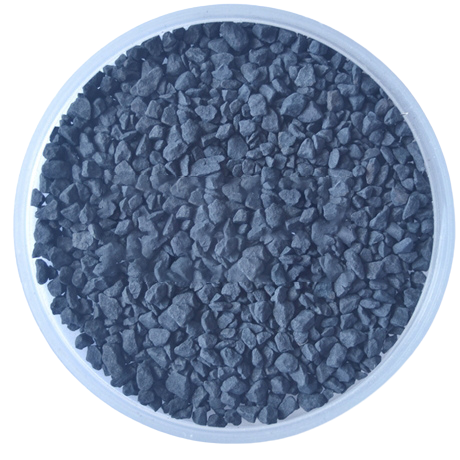
Zirconium Carbide Powder (ZrC) is an ultra-high-temperature ceramic material known for its exceptionally high melting point, high hardness, good chemical stability, and electrical and thermal conductivity. With a cubic crystal structure, ZrC is widely investigated and used in advanced ceramics, high-temperature components, protective coatings, and composite materials.
VIMATERIAL supplies high-purity zirconium carbide powder with controlled particle size distribution and customizable specifications. Our ZrC powder is suitable for research, material development, and industrial applications requiring reliable material characteristics.
Contact our team for product specifications, available particle sizes, and customized requirements.
| Property | Specification |
| Chemical Name | Zirconium Carbide |
| Chemical Formula | ZrC |
| CAS Number | 12070-14-3 |
| Molecular Weight | 103.23 |
| Appearance | Black powder |
| Density | ~6.73 g/cm³ |
| Melting Point | Approx. 3540°C |
| Crystal Structure | Cubic |
Note: The values above are typical reference properties. Actual product specifications may vary depending on composition, purity, and production conditions.
Zirconium carbide powder is used in various advanced material research and manufacturing fields.
VIMATERIAL supplies zirconium carbide powder for customers involved in advanced materials research, development, and manufacturing.
Explore our detailed guide: [Zirconium Carbide (ZrC): Properties, Synthesis and Applications] to learn more about its physical and chemical properties, manufacturing considerations, applications, and available material forms.
Packaging:
Storage:
1. What is zirconium carbide powder used for?
Zirconium carbide powder is mainly used in ultra-high-temperature ceramics, aerospace components, wear-resistant materials, ceramic matrix composites, and high-temperature electronic applications due to its high melting point and excellent mechanical properties.
2. What is the melting point of ZrC powder?
The melting point of zirconium carbide powder is approximately 3540°C, making it one of the highest melting point ceramic materials available.
3. Is zirconium carbide electrically conductive?
Yes. Unlike most ceramic materials, zirconium carbide has relatively good electrical conductivity due to its metallic bonding characteristics.
4. What particle sizes of zirconium carbide powder are available?
Particle size can be customized according to application requirements, including fine powder and micron-sized powder for ceramic processing and composite manufacturing.
5. What is the difference between zirconium carbide and zirconium oxide?
Zirconium carbide (ZrC) offers higher temperature resistance and electrical conductivity, while zirconium oxide (ZrO₂) is mainly known for its toughness, ionic conductivity, and ceramic applications.
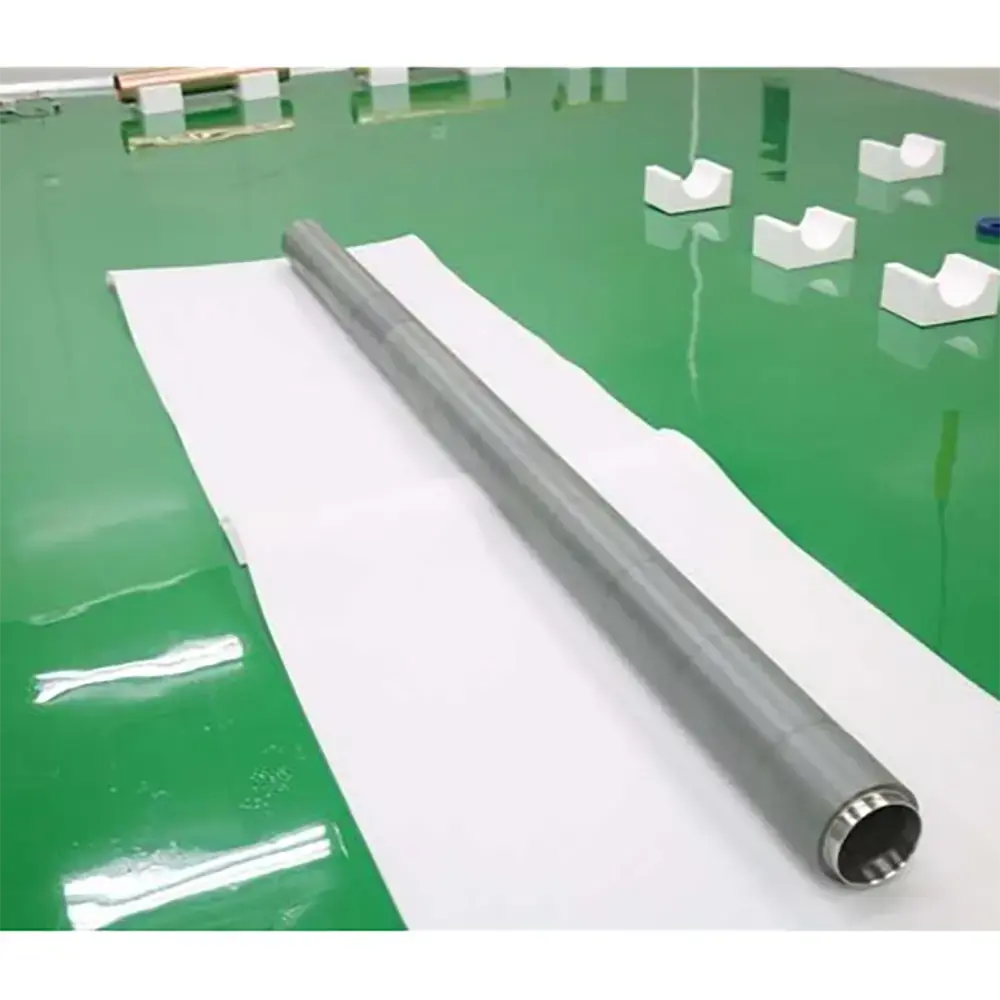
VIMATERIAL also supplies zirconium carbide in other material forms:
Explore our related products to find the appropriate ZrC material form for your application.
VI HALBLEITERMATERIAL GmbH (VIMATERIAL) employs a stringent quality assurance system to ensure the reliability of our product quality. Strict quality control is implemented throughout the entire production chain, and for defective products, we strictly enforce the principle of rework and redo. Each batch is released only after passing detailed specification tests.
Every batch of our materials is independently tested, and, if necessary, we send samples to certified companies for testing. We provide these documents and analysis certificates with the shipment to certify that our products meet the required standards.
Contact our team of experts today and let us help you with your business!