| Product ID | Formula | Purity | Dimension | Quantity | Price in € | Inquiry |
|---|---|---|---|---|---|---|
| 5000FI001 | Sn | 99.99% | 100 mm x 100 mm x 0.10mm | 1 | POR | Inquire |
| 5000FI002 | Sn | 99.99% | 100 mm x 100 mm x 0.25mm | 1 | POR | Inquire |
| 5000FI003 | Sn | 99.99% | 100 mm x 0.2 mm x Len.(Roll) | 1 | POR | Inquire |
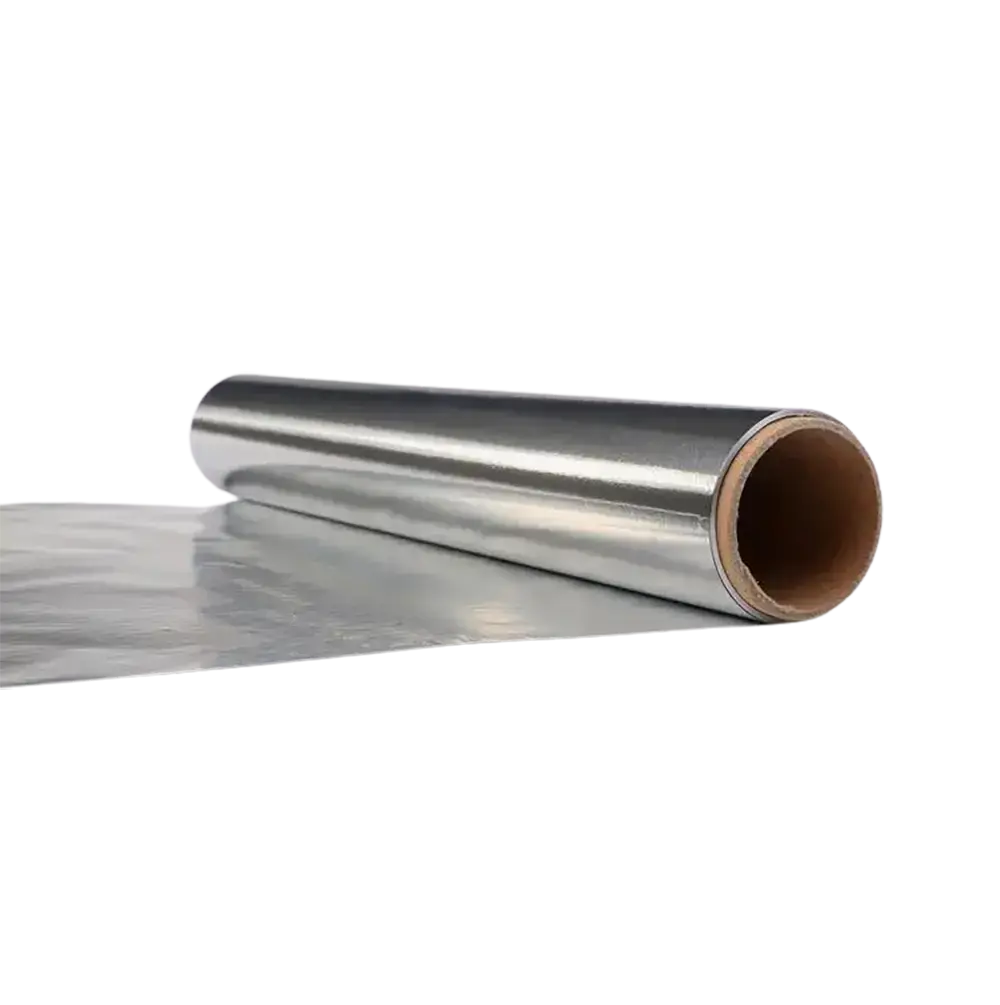
Tin metal foil is a kind of thin sheet made of tin metal, with good flexibility, ductility, usually silver grey in colour, which can be used in packaging, electronics, chemicals and many other fields.
VIMATERIAL offers high-purity tin foil, available in sheets and rolls upon request, and can also customize different sizes. Contact us for more information.
Appearance: Silver-grey with a shiny metallic surface.
Strength and ductility: It has moderate strength and good ductility, allowing it to be stretched and shaped without breaking.
Thermal conductivity: Tin foil conducts heat well, with a thermal conductivity of about 66.6 W/(m·K).
Melting point: Its melting point is relatively low, around 232°C, making it unsuitable for high temperatures.
Electrical conductivity: It has good electrical conductivity and can be used for simple conductive or electromagnetic shielding purposes.
Corrosion resistance: It resists water, oxygen, and weak acids and alkalis at room temperature.
Reactivity: It is generally stable, but it can react with strong oxidizing acids or under high temperature and humidity conditions.
Medical field:
Electronic field:
Other fields:
Packaging
It is usually packed in rolls or sheets and wrapped with moisture-proof materials such as plastic film or kraft paper to protect it from dust, moisture, and scratches during transportation and storage. The outer packaging is commonly cardboard boxes or wooden crates with cushioning materials to prevent deformation and maintain the foil’s surface quality and metallic luster.
Storage
It should be stored in a cool, dry, and well-ventilated place away from direct sunlight, heat sources, and corrosive chemicals such as strong acids and alkalis. High humidity, heavy pressure, and sharp objects should also be avoided to prevent oxidation, bending, or tearing of the foil.
Q1: What is tin metal foil?
A: Sn foil is a thin sheet material made primarily from tin metal. It has a shiny metallic appearance, good ductility, thermal conductivity, electrical conductivity, and corrosion resistance, making it useful in packaging, electronics, medical, and industrial fields.
Q2: What is tin foil made of?
A: Sn foil is made from tin metal that is processed into very thin sheets through rolling and pressing techniques. In some applications, it may also include coatings or composite layers to improve strength, flexibility, or protective performance.
Q3: What is tin foil used for?
A: It is used in food and pharmaceutical packaging, electronic shielding, heat insulation, handicrafts, and industrial applications. Its good barrier properties, conductivity, and corrosion resistance make it suitable for protecting products from moisture, light, and contamination.
Q4: Is aluminum foil and tin foil the same?
A: No, aluminum foil and tin foil are not the same material. Traditional Sn foil was made from tin metal, while most modern household foil is made from aluminum because it is cheaper, lighter, and more durable. However, people still commonly use the term “tin foil” to refer to aluminum foil.
VI HALBLEITERMATERIAL GmbH (VIMATERIAL) employs a stringent quality assurance system to ensure the reliability of our product quality. Strict quality control is implemented throughout the entire production chain, and for defective products, we strictly enforce the principle of rework and redo. Each batch is released only after passing detailed specification tests.
Every batch of our materials is independently tested, and, if necessary, we send samples to certified companies for testing. We provide these documents and analysis certificates with the shipment to certify that our products meet the required standards.
Contact our team of experts today and let us help you with your business!