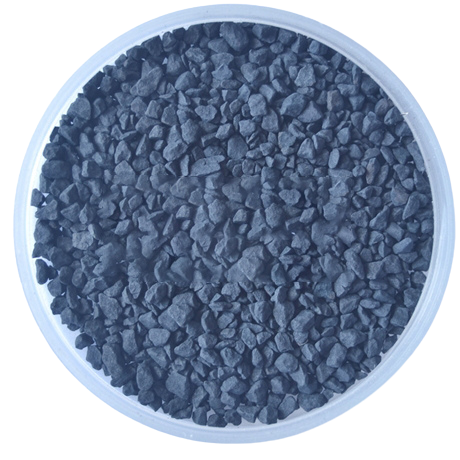
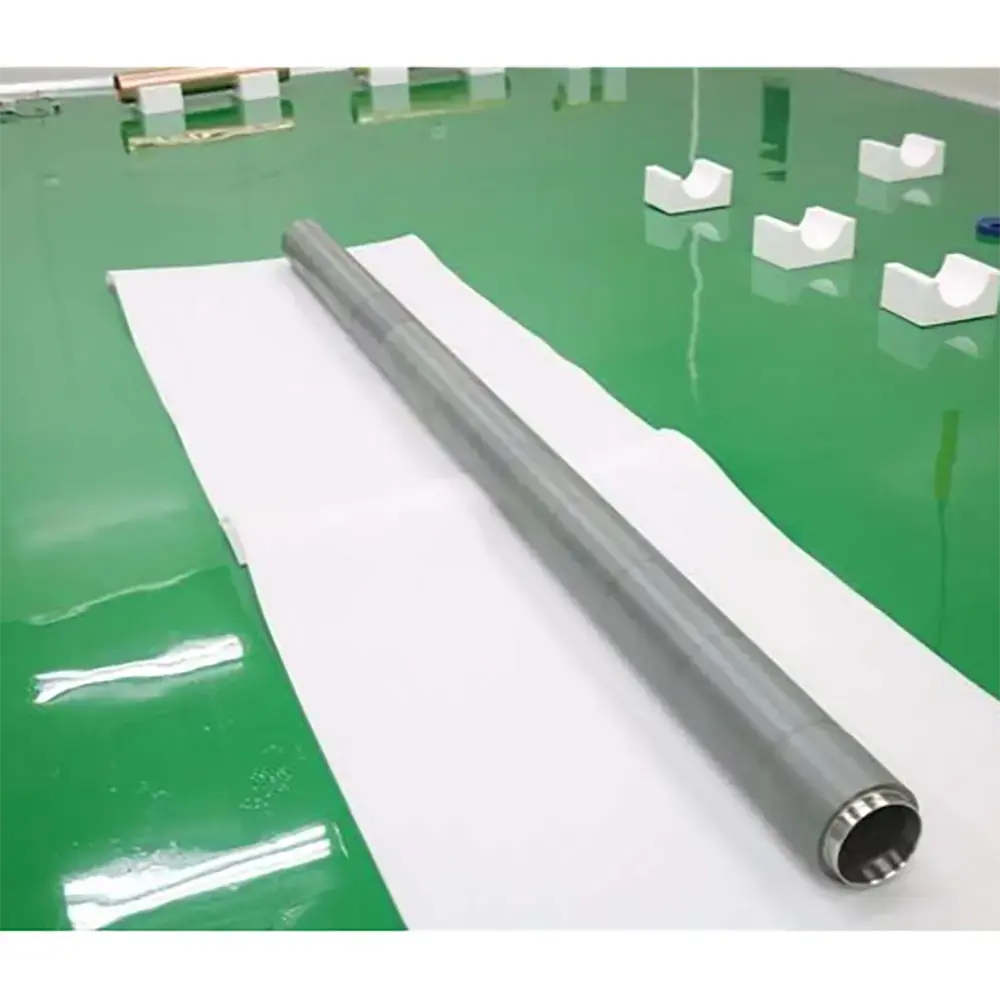
Tin metal pellets are usually regular granular objects made of the metal tin, and they may be used for various industrial purposes, such as welding materials, raw materials for metal alloy manufacturing, or as samples in some experimental studies.
VIMATERIAL offers high-purity tin pellets, customizable in various sizes to meet your needs. Contact us for more information.
Appearance: Silver gray.
Density: 7.265 – 7.31 g/cm³ at 20 °C.
Melting point: Relatively low, about 232°C.
Boiling point: high, about 2602°C.
Colour and appearance: silvery grey with a metallic luster at room temperature.
Hardness: soft, about 1.5 on the Mohs hardness scale.
Thermal conductivity: high, about 66.6 W/(m・K).
Coefficient of thermal expansion: 22×10-⁶ /K.
Electrical Properties: It has a certain degree of electrical conductivity, but specific resistivity and other data may vary depending on factors such as the purity of the tin and the processing technology.
Soldering field: Tin metal pellets are widely used in electronic soldering as the main component of solder paste and solder wire. Because of its low melting point (~232°C), tin can form reliable, conductive joints for circuit boards. It is also used in pipe soldering to create sealed and durable connections for small metal pipes.
Alloy manufacturing: Tin is alloyed with metals like copper to improve strength and wear resistance, commonly used in bearings and mechanical parts. Traditional tin-lead alloys, though less used today due to environmental concerns, are still applied in some specialized industrial fields because of their good fluidity and low melting point.
Metal coatings: Tin is used as a protective coating for food cans and metal products. It prevents corrosion, improves food safety, and enhances appearance. Tin plating is also widely applied to steel and iron to extend service life and prevent rusting.
Battery technology: Tin is used as an additive in certain battery electrode materials, such as alkaline batteries, to improve discharge capacity and cycle life by enhancing electrode reaction performance.
Chemical catalysis: Tin can act as a catalyst in some organic reactions, such as esterification and condensation, helping improve reaction speed, efficiency, and selectivity.
Packaging
Tin pellets are typically packaged in sealed moisture-proof plastic bags, vacuum bags, or plastic drums to prevent oxidation and contamination. For industrial transport, they may also be placed in cartons or metal containers with inner liners and cushioning materials to avoid leakage, mixing with impurities, and mechanical damage during handling and shipping.
Storage
Tin pellets should be stored in a cool, dry, and well-ventilated environment, away from moisture, direct sunlight, and heat sources. They must also be kept separate from strong acids, alkalis, and oxidizing agents to prevent chemical reactions. Proper storage helps maintain their purity, surface quality, and stable performance over time.
Q1: What is tin metal?
A: Tin metal is a soft, silvery-white metallic element with the chemical symbol Sn and atomic number 50. It has good corrosion resistance, low toxicity, and a relatively low melting point, making it useful in soldering, coatings, and alloy production.
Q2: Is tin a transition metal?
A: No, tin is not a transition metal. It is classified as a post-transition metal in group 14 of the periodic table. Although it is metallic and conductive, it does not have the typical partially filled d-orbitals that characterize transition metals.
Q3: What is tin metal used for?
A: Tin metal is mainly used in electronics for soldering components onto circuit boards, in alloys such as bronze and solder materials, and in metal coatings like tin-plated steel for food cans. It is also used in chemical industries, batteries, and some specialized applications such as corrosion-resistant protective layers and catalysts.
VI HALBLEITERMATERIAL GmbH (VIMATERIAL) employs a stringent quality assurance system to ensure the reliability of our product quality. Strict quality control is implemented throughout the entire production chain, and for defective products, we strictly enforce the principle of rework and redo. Each batch is released only after passing detailed specification tests.
Every batch of our materials is independently tested, and, if necessary, we send samples to certified companies for testing. We provide these documents and analysis certificates with the shipment to certify that our products meet the required standards.
Contact our team of experts today and let us help you with your business!