| Product ID | Formula | Purity | Dimension | Quantity | Price in € | Inquiry |
|---|---|---|---|---|---|---|
| 7300WI001 | Ta | 99.95% | Ø (0.5~1.0) mm x Length | 1 | POR | Inquire |
| 7300WI002 | Ta | 99.95% | Ø (1.0~10) mm x Length | 1 | POR | Inquire |
| 7300WI003 | Ta | 99.99% | Ø (0.5~1.0) mm x Length | 1 | POR | Inquire |
| 7300WI004 | Ta | 99.99% | Ø (1.0~10) mm x Length | 1 | POR | Inquire |
| 7300WI005 | Ta | 99.999% | Ø (0.5~1.0) mm x Length | 1 | POR | Inquire |
| 7300WI006 | Ta | 99.999% | Ø (1.0~10) mm x Length | 1 | POR | Inquire |
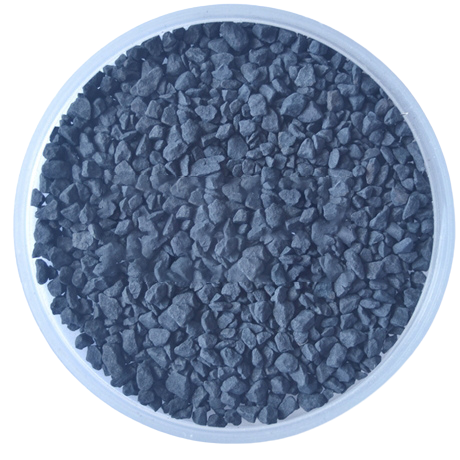
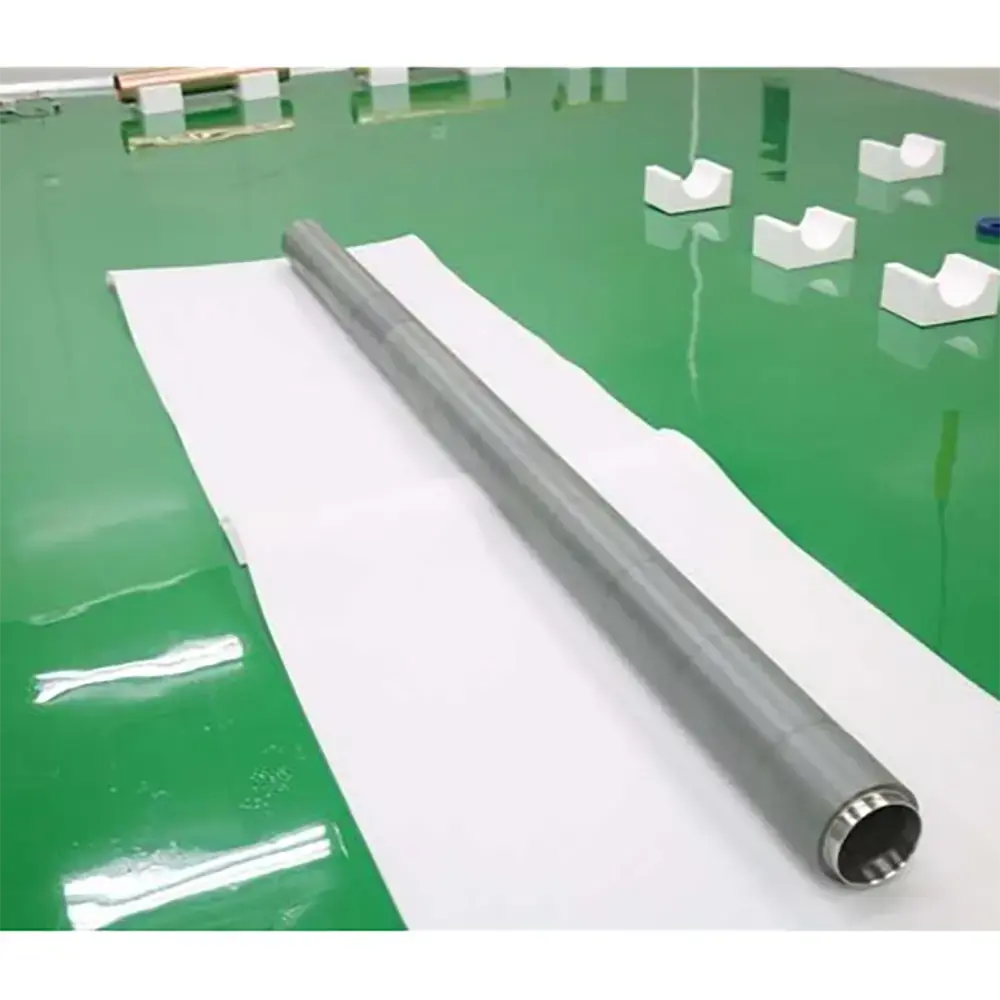
Tantalum wire is a metallic wire made from tantalum through suitable forming and drawing processes. Known for its excellent corrosion resistance, high melting point, good ductility and stable chemical properties, tantalum wire is used in specialized electronic components, chemical processing, high-temperature engineering and advanced materials applications.
VIMATERIAL supplies tantalum wire in diameters from 0.5 mm to 10 mm, with different material conditions available according to wire diameter. Our tantalum wire is suitable for industrial manufacturing, component fabrication and research applications requiring the characteristic properties of tantalum metal.
| Parameter | Typical Information |
| Material | Tantalum |
| Chemical Symbol | Ta |
| Atomic Number | 73 |
| Appearance | Grey metallic |
| Density | 16.69 g/cm³ |
| Melting Point | 2,996°C |
| Purity | 99.95%, 99.99%, 99.999% |
| Diameter Range | 0.5–10 mm |
| Diameter: 0.5–1 mm | Half-hard (Y2) |
| Diameter: 1–10 mm | Annealed (M) or Half-hard (Y2) |
| Packaging | According to wire dimensions and order requirements |
Note: Please confirm the required diameter, material condition, purity and dimensional tolerances when placing an inquiry. Availability of specific combinations should be confirmed before ordering.
The material condition affects the mechanical behaviour and workability of tantalum wire.
Annealed (M): Annealed tantalum wire is generally softer and more suitable for applications requiring greater flexibility or subsequent forming.
Half-Hard (Y2): Half-hard tantalum wire offers a higher degree of work hardening than the annealed condition and may be preferred when greater stiffness or shape retention is required.
The appropriate condition depends on the intended application, forming process and mechanical requirements. If a specific tensile strength, elongation or bending performance is required, please include it in your inquiry.
Tantalum wire is produced through suitable metal-forming and drawing operations. Depending on the required diameter and material condition, the process may include:
The manufacturing route and intermediate heat treatments depend on the target diameter, material condition and required properties.
Store tantalum wire in a clean, dry environment and protect it from moisture, dust, surface contamination and mechanical damage. Avoid unnecessary bending or kinking, particularly for wire intended for precision applications. Suitable coils, reels or other protective packaging can be selected according to the wire diameter and order requirements.
For sensitive applications, specify any requirements for surface cleanliness, protective packaging, traceability or inspection documentation when requesting a quotation.
Looking for tantalum wire for capacitor manufacturing, industrial components or specialized materials applications?
Contact VIMATERIAL with your required diameter, material condition, purity, quantity and application. If you have specific requirements for tensile strength, elongation, tolerances or surface finish, please include them in your inquiry so that the appropriate specification can be reviewed.
A: VIMATERIAL offers tantalum wire in diameters from 0.5 mm to 10 mm. Please confirm the required diameter and dimensional tolerances when requesting a quotation.
A: Wire with diameters of 0.5–1 mm is available in the half-hard (Y2) condition. For diameters of 1–10 mm, annealed (M) and half-hard (Y2) options are available, subject to confirmation.
A: Annealed (M) wire is generally softer and more formable, while half-hard (Y2) wire has undergone greater work hardening and is generally stiffer. The best choice depends on the required forming behaviour and mechanical performance.
A: Tantalum is widely used in tantalum electrolytic capacitors. Wire may be used in leads and related components, depending on the capacitor design and specified material grade.
A: Yes. Tantalum has excellent resistance to many corrosive chemicals under suitable conditions. Its compatibility should be confirmed for the specific chemical medium and service temperature.
A: Tantalum is used in selected biomedical applications because of its biocompatibility. However, wire for medical devices must meet the relevant grade, processing, cleanliness and regulatory requirements. Confirm these requirements before ordering.
A: Provide the required diameter, material condition, purity, quantity and intended application. Additional requirements, such as tensile properties, dimensional tolerances, surface finish and documentation, should also be specified where necessary.
VI HALBLEITERMATERIAL GmbH (VIMATERIAL) employs a stringent quality assurance system to ensure the reliability of our product quality. Strict quality control is implemented throughout the entire production chain, and for defective products, we strictly enforce the principle of rework and redo. Each batch is released only after passing detailed specification tests.
Every batch of our materials is independently tested, and, if necessary, we send samples to certified companies for testing. We provide these documents and analysis certificates with the shipment to certify that our products meet the required standards.
Contact our team of experts today and let us help you with your business!