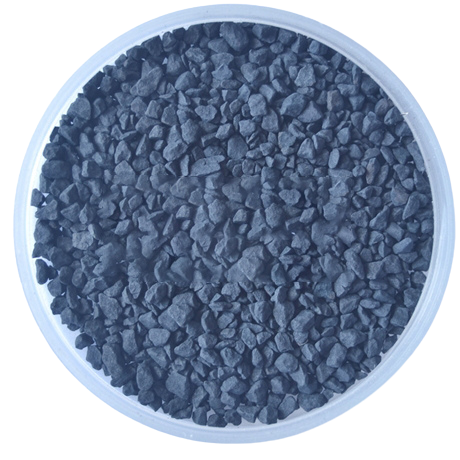
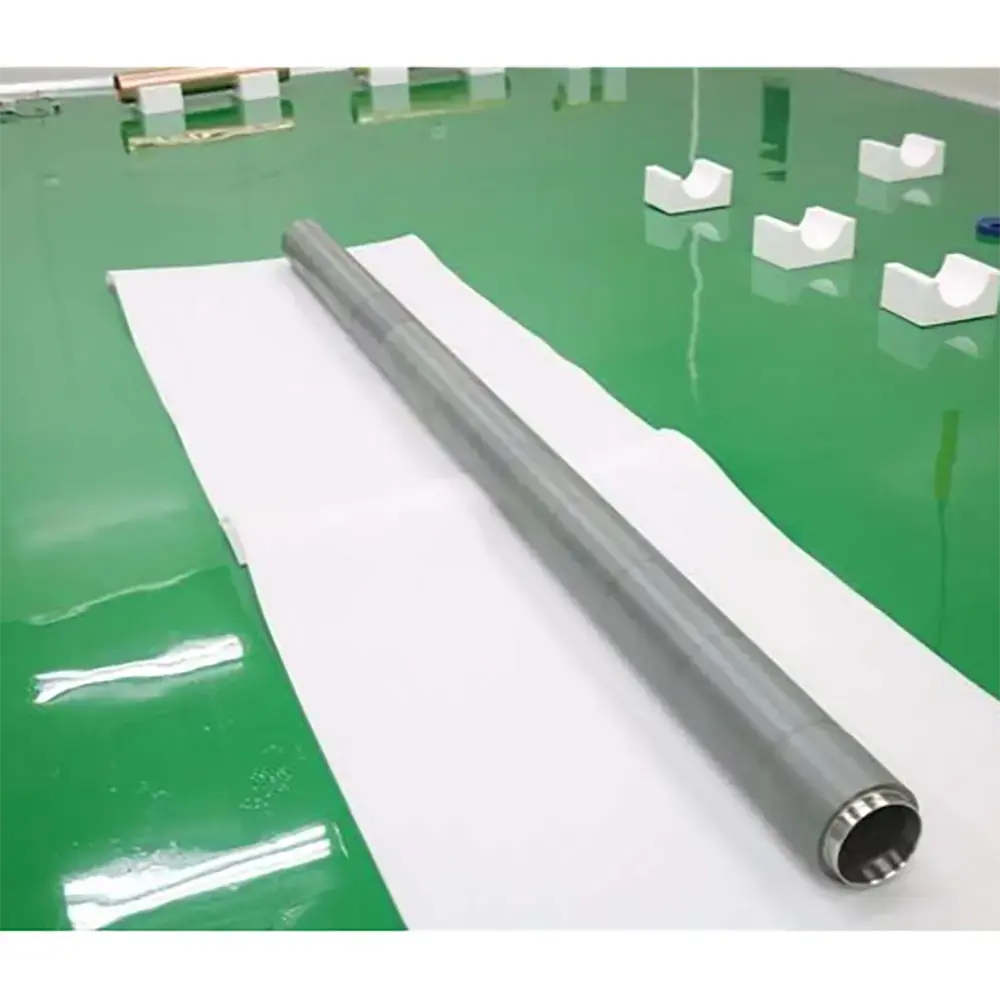
Molybdenum Disilicide is an important high-temperature material with a high melting point, excellent oxidation resistance, and corrosion resistance. It is widely used in electric heating elements, high-temperature coatings, aerospace, and microelectronics industries.
VIMATERIAL offer high purity molybdenum silicide, guaranteeing product quality. We also prioritize delivery time, ensuring timely delivery of high-quality goods. Furthermore, we offer a comprehensive after-sales service system to provide you with a superior service experience. Contact us if needed!
| Parameter | Value |
| Chemical Formula | MoSi2 |
| Molecular Weight | 152.13 g/mol |
| Appearance | Gray |
| Density | 6.31g/cm³ |
| Melting point | 1870-2030 °C |
| Solubility | Insoluble in most acids, but soluble in hydrofluoric acid and nitric acid. |
Comprehensive technical support: From pre-sales consultation to after-sales service, we ensure that customers purchase suitable products and are satisfied with our services, forming long-term and sustainable cooperation.
Customized products: We offer customization services, if your needs are not on our list, we can tailor it for you.
Samples can be provided for third-party testing: If you have questions about product quality, we can provide samples for third-party testing upon request to ensure your rights.
TDS/MSDS/COA report: We will provide a COA report with each batch of products to ensure that the quality is monitored and controlled. We will also provide MSDS and TDS reports on demand.
Inner packaging: Bottled/Double-layered vacuum-sealed bag
Outer packaging: Carton filled with soft foam
Stored in a dry, cool, well-ventilated environment, keep the packaging sealed, and keep away from incompatible chemicals.
Electric Heating Elements: As a heating element material, it can operate at temperatures up to 1700℃, suitable for electric heating elements, high-temperature thermocouples, and melting crucibles (used for melting metals such as sodium and lithium).
High-Temperature Anti-Oxidation Coatings: Used for high-temperature protection of metal substrates, forming an impermeable glass film that resists corrosion from gases such as oxygen and nitrogen, suitable for high-temperature components such as turbine engines and burners.
Microelectronics Industry: Used as a thin-film material for gates and interconnects in integrated circuits, along with titanium silicides and tungsten silicides, in large-scale integrated circuits.
Melting Vessels: Used as linings for molten metal crucibles, providing high temperature resistance and corrosion resistance.
Nuclear Industry: Used as a heat exchanger material, capable of withstanding neutron irradiation environments.
Composite Material Reinforcement: When combined with silicon carbide, its high-temperature strength is increased by 8 times, suitable for high-temperature structural components such as turbine blades.
| Molybdenum Granules | Molybdenum Foil | Molybdenum Carbide |
| Molybdenum Oxide | Molybdenum Boride | Molybdenum Sulfide |
Q1: What is molybdenum disilicide used for?
A: Molybdenum silicide has a wide range of applications in high-temperature fields, electronics, aerospace, and automotive industries, as detailed in the application module above.
Q2: Is molybdenum disulfide hazardous?
A: Molybdenum disilicide is not a dangerous good and can be transported as general cargo.
Q3: What is the resistivity of molybdenum silicides?
A: The resistivity of molybdenum silicide varies with temperature and other conditions, but at room temperature, its resistivity typically ranges from a few microohms (μΩ·m) to tens of microohms. Specific values depend on the purity and crystal structure of the material. According to specialized research, the resistivity of high-purity molybdenum silicide at room temperature can be as low as approximately 5 μΩ·m.
VI HALBLEITERMATERIAL GmbH (VIMATERIAL) employs a stringent quality assurance system to ensure the reliability of our product quality. Strict quality control is implemented throughout the entire production chain, and for defective products, we strictly enforce the principle of rework and redo. Each batch is released only after passing detailed specification tests.
Every batch of our materials is independently tested, and, if necessary, we send samples to certified companies for testing. We provide these documents and analysis certificates with the shipment to certify that our products meet the required standards.
Contact our team of experts today and let us help you with your business!