| Product ID | Formula | Purity | Dimension | Quantity | Price in € | Inquiry |
|---|---|---|---|---|---|---|
| 03270800PD001 | LiCoO2 | 99.9% | -100 Mesh | 1Kg | 176.00 | Inquire |
| 03270800PD002 | LiCoO2 | 99.9% | 50 -80μm | 250g | POR | Inquire |
| 03270800PD003 | LiCoO2 | 99.9% | D50< 15μm | 250g | POR | Inquire |
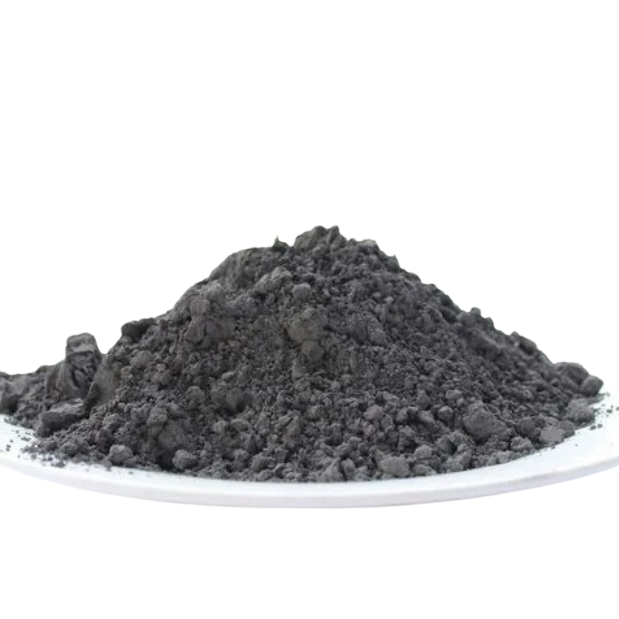
Lithium Cobalt Oxide (LiCoO₂) is a key cathode material in lithium-ion batteries, widely known for its high energy density, stable electrochemical performance, and long cycle life. Its layered crystal structure allows lithium ions to move in and out of the material, facilitating efficient charge and discharge cycles.
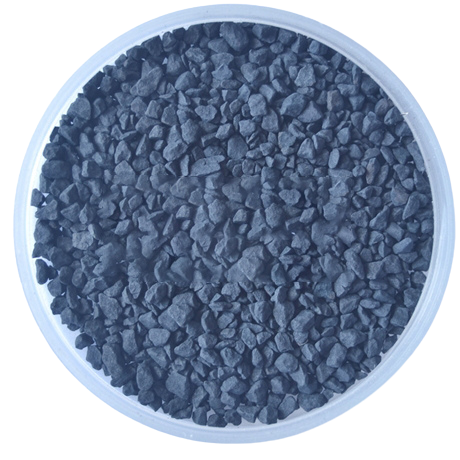
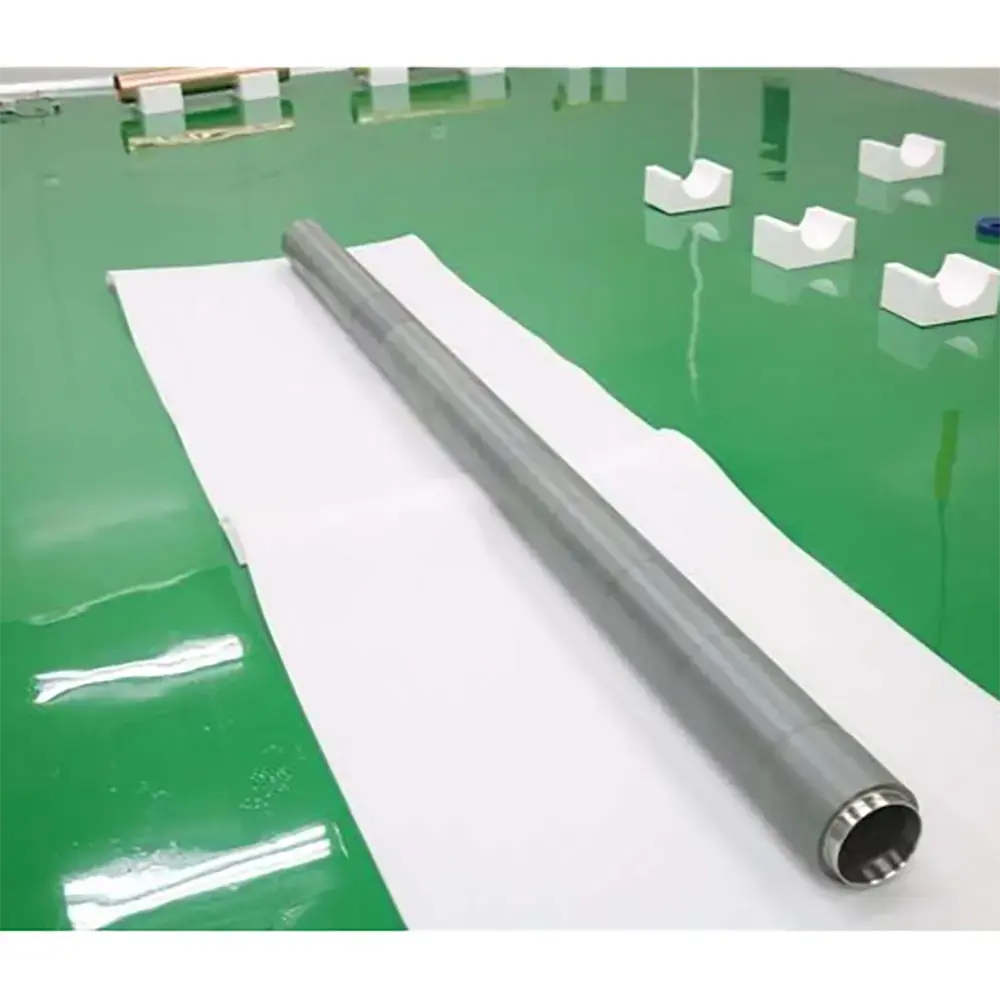
VIMATERIAL offers high-purity lithium cobalt oxide powder, particles, and targets, and can customize different sizes to meet your needs. Contact us for more information.
Chemical formula:LiCoO2
Molar mass: 97.87 g/mol
Purity: Often manufactured at purities of 99.9% or higher for optimal electrochemical performance in high-end battery applications.
Appearance: Typically a dark gray to black powder.
Density: Approximately 4.8 g/cm³.
Crystal Structure: Lithium Cobalt Oxide (LiCoO₂) has a layered hexagonal structure that promotes efficient lithium-ion intercalation and deintercalation, key for its function as a battery cathode.
Consumer Electronics: Lithium Cobalt Oxide (LiCoO₂) is commonly used in batteries for smartphones, laptops, and cameras, where its high energy density and reliability make it ideal for portable devices.
Electric Vehicles (EVs): Although newer materials like lithium iron phosphate (LFP) and nickel-cobalt-aluminum (NCA) are often preferred in EVs, LiCoO₂ has been used in early EV designs and is still present in some plug-in hybrid applications.
Medical Devices: Its stability and predictable performance make LiCoO₂ a suitable choice for batteries in certain medical devices and sensors.
Research and Development: Lithium Cobalt Oxide (LiCoO₂) is commonly studied in battery research, as it serves as a model compound for understanding lithium-ion behavior, degradation, and potential improvements in battery design.
Lithium cobalt oxide powder should be packed in tightly sealed, moisture-proof containers such as polyethylene-lined fiber drums, plastic drums, or aluminum foil bags to prevent contamination, moisture absorption, and dust release during handling and transportation.
Store in a cool, dry, and well-ventilated area away from moisture, direct sunlight, heat sources, and incompatible materials. Keep containers tightly closed when not in use and minimize dust generation to maintain product quality and workplace safety.
Q1: What is lithium cobalt oxide used for?
A: It is primarily used as a cathode material in lithium-ion batteries. It is widely applied in consumer electronics such as smartphones, laptops, tablets, digital cameras, and wearable devices due to its high energy density, stable performance, and reliable rechargeability.
Q2: What is the name of LiCoO₂?
A: LiCoO₂ is the chemical formula for Lithium Cobalt Oxide, commonly abbreviated as LCO. It is one of the most widely used cathode materials in lithium-ion battery technology.
Q3: Why is LiCoO₂ used in batteries?
A: Lithium cobalt oxide is used in batteries because it offers high energy density, high operating voltage, and stable electrochemical performance. These properties enable batteries to store more energy in a compact size, making LiCoO₂ especially suitable for portable electronic devices where long battery life and lightweight design are important.
VI HALBLEITERMATERIAL GmbH (VIMATERIAL) employs a stringent quality assurance system to ensure the reliability of our product quality. Strict quality control is implemented throughout the entire production chain, and for defective products, we strictly enforce the principle of rework and redo. Each batch is released only after passing detailed specification tests.
Every batch of our materials is independently tested, and, if necessary, we send samples to certified companies for testing. We provide these documents and analysis certificates with the shipment to certify that our products meet the required standards.
Contact our team of experts today and let us help you with your business!