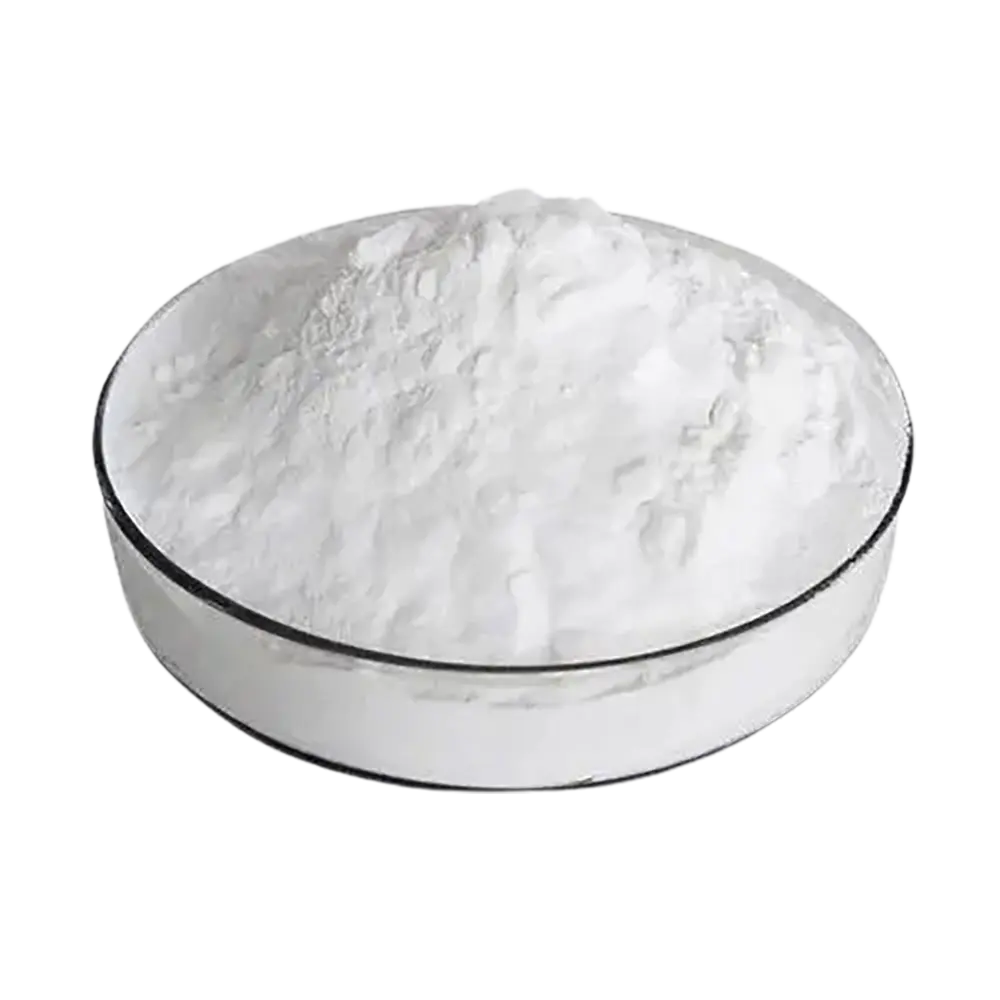
Barium Carbonate powder is a white powdery compound, composed of barium ions and carbonate ions, insoluble in water, widely used in chemical, glass ceramics, electronics and other fields.
VIMATERIAL offers high-purity barium carbonate powder, including micron and nano powders, with particle sizes customizable to your needs. Contact us for more information.
Chemical formula: BaCO3
Appearance: White powder
Density: About 4.275 – 4.43 g/cm³.
Melting point: Melting point is 811℃ (the temperature at which γ-type is converted to β-type), and the melting point of α-type can reach 1740℃ (90.9×10⁵Pa).
Solubility: almost insoluble in water, slightly soluble in water containing carbon dioxide, soluble in ammonium chloride solution and ammonium nitrate solution to generate complexes.
Mohs hardness: 3.5, relatively soft.
Hygroscopicity: Slightly hygroscopic.
Thermal stability: it will decompose when heated to a certain temperature, and decompose into barium oxide and carbon dioxide at about 1450℃.
Reaction with acid: it can react with strong acids such as hydrochloric acid, nitric acid, acetic acid, etc., and release carbon dioxide gas; however, it does not react with sulphuric acid because it will produce insoluble barium sulphate precipitate.
Toxicity: Toxic and harmful to human body. If accidentally ingested, barium carbonate will be dissolved in stomach acid and become soluble toxic barium chloride, which will damage the digestive tract and nervous system, and the maximum permissible concentration in the air is 0.5mg/m³.
Glass Industry
Used as an additive to improve refractive index, hardness, scratch resistance, and transparency. Commonly applied in optical lenses and high-grade glass materials.
Ceramic Industry
Electronic Industry
Chemical Industry
Other Applications
Packaging:
Barium carbonate powder is typically packed in moisture-proof, sealed materials such as woven polypropylene bags with inner plastic liners or multi-layer paper bags. For higher protection, bulk bags (FIBCs) or drums may be used. The packaging should be tightly sealed to prevent moisture absorption, contamination, and dust leakage during transportation and handling.
Storage:
Barium carbonate powder should be stored in a cool, dry, and well-ventilated area, away from moisture, acids, and incompatible substances. It should be kept in tightly closed containers and protected from humidity to avoid clumping or degradation.
Q1: Is barium carbonate soluble in water?
A: Barium carbonate is almost insoluble in water, but it can dissolve in acidic environments. Its poor solubility stems from the stability of its crystal structure and the strong binding force between barium ions and carbonate ions. When handling barium carbonate, its potential toxicity must be considered, and protective measures must be taken.
Q2: Is barium carbonate toxic?
A: Barium carbonate (BaCO₃) is toxic, primarily due to the release of barium ions. Although barium carbonate itself is sparingly soluble in water, it decomposes into soluble barium salts under the action of stomach acid after entering the human body, leading to a risk of poisoning. Long-term exposure or accidental ingestion may cause serious health problems.
Q3: What is barium carbonate used for?
A: Barium carbonate is used in glass and ceramics to improve strength, appearance, and optical properties, in electronics for stable electrical performance and X-ray shielding, and in chemical processes to remove impurities. It is also applied in fireworks, pigments, water treatment, and as a stabilizer in rubber and plastics.
Q4: Where to buy barium carbonate?
A: We offer high-purity barium carbonate in micron and nano-sized powders, with particle sizes customizable to your needs. Contact VIMATERIAL for more information. Email: info@vimaterial.de. Tel: +49-1626484175.
VI HALBLEITERMATERIAL GmbH (VIMATERIAL) employs a stringent quality assurance system to ensure the reliability of our product quality. Strict quality control is implemented throughout the entire production chain, and for defective products, we strictly enforce the principle of rework and redo. Each batch is released only after passing detailed specification tests.
Every batch of our materials is independently tested, and, if necessary, we send samples to certified companies for testing. We provide these documents and analysis certificates with the shipment to certify that our products meet the required standards.
Contact our team of experts today and let us help you with your business!