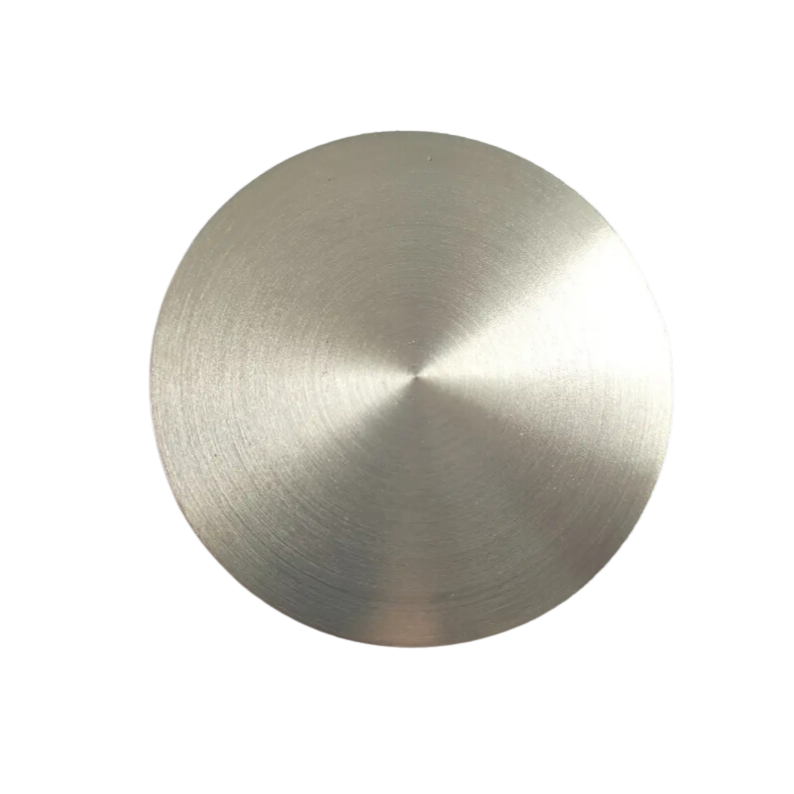
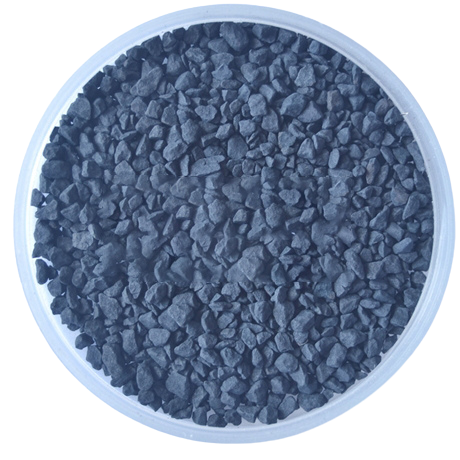
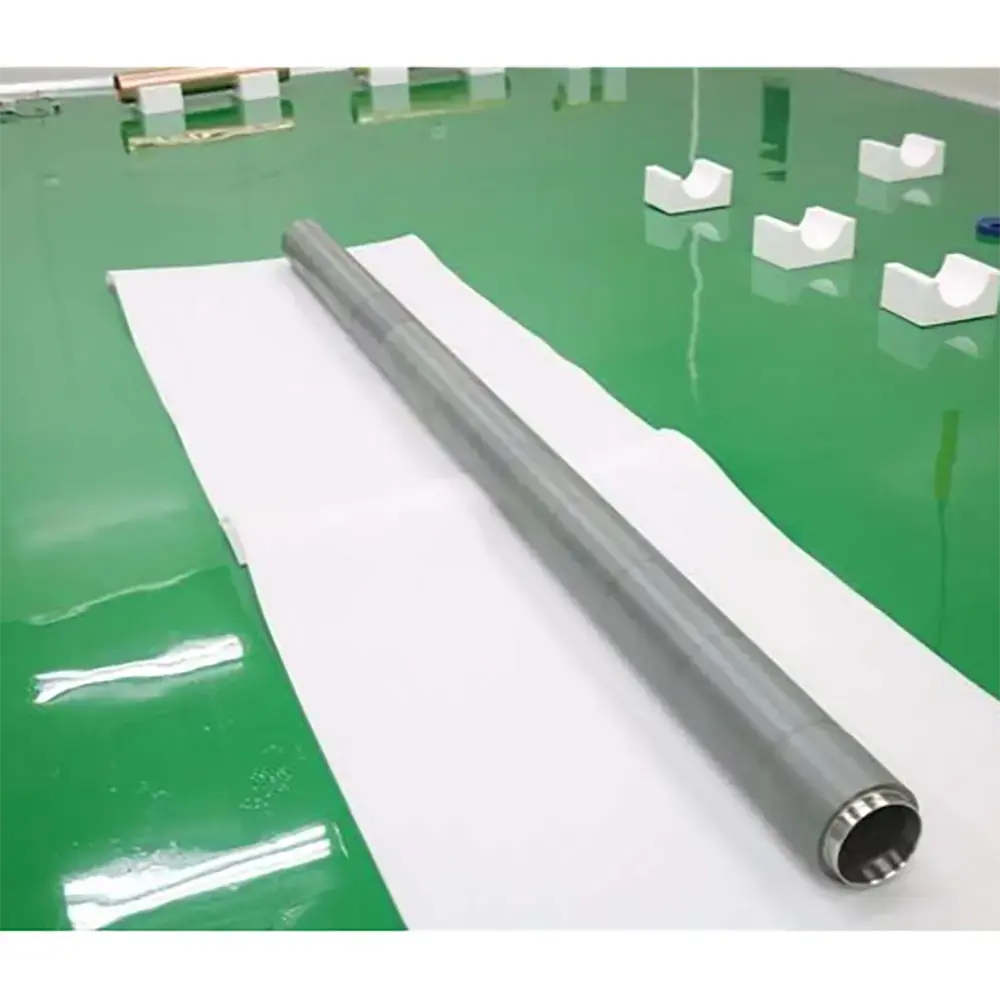
Aluminum magnesium alloy target is a specialized material used in the sputtering deposition process, a widely utilized technique for creating thin films of metal or metal alloys on substrates in various applications, including electronics, optics, and semiconductor manufacturing.
Aluminum magnesium alloy target consists of a solid piece of aluminum and magnesium alloy, which is bombarded with energetic ions (usually from a plasma), resulting in the ejection of atoms from the target that are deposited onto a substrate to form a thin film.
Composition: The aluminum magnesium alloy typically contains varying proportions of aluminum (Al) and magnesium (Mg). The specific ratio can be adjusted to achieve desired properties in the deposited films, such as conductivity, strength, and corrosion resistance.
Enhanced Electrical Conductivity: The addition of magnesium to aluminum can improve the electrical conductivity of the alloy, making it suitable for applications in electronics where efficient conduction is critical.
Good Thermal Conductivity: Aluminum magnesium alloys exhibit good thermal conductivity, which is beneficial for applications requiring efficient heat dissipation in electronic devices and systems.
Quality Film Production: Sputtering with aluminum magnesium alloy targets often results in high-quality films with uniform thickness and excellent surface finish. This quality is essential for applications requiring precise optical or electrical properties.
Corrosion Resistance: Aluminum magnesium alloy films typically exhibit good corrosion resistance, particularly in environments where exposure to moisture or corrosive substances is a concern. This property enhances the durability of the thin films.
Controlled Microstructure: The composition of the sputtering target can be tailored to achieve specific microstructural properties, influencing the morphology and characteristics of the deposited thin film.
Semiconductor Manufacturing: Aluminum magnesium alloy sputtering targets are commonly used to deposit thin films on semiconductor wafers for integrated circuits and other electronic components. The alloy’s electrical properties are crucial for effective device performance.
Optoelectronics: These targets are used in the production of optoelectronic devices, such as light-emitting diodes (LEDs) and solar cells, where the electrical and thermal characteristics of the thin films are vital for efficiency and performance.
Electrical Contacts: The high conductivity of aluminum magnesium alloy films makes them suitable for use as electrical contacts and interconnects in various electronic devices, providing reliable connections.
Thermal Management Coatings: Aluminum magnesium alloy targets can be employed to create coatings that improve thermal management in electronic devices, enhancing heat dissipation and performance.
Thin-Film Coatings: The alloy can also be used to produce thin-film coatings for various applications, including protective coatings and decorative finishes, where the combination of lightweight and corrosion resistance is advantageous.
Aluminum magnesium alloy targets are essential materials in the thin film deposition process, offering a combination of enhanced electrical and thermal conductivity, good corrosion resistance, and the ability to produce high-quality films. Their properties make them suitable for a wide range of applications in semiconductor manufacturing, optoelectronics, and thermal management, where performance, efficiency, and precision are critical. The specific composition of the alloy can be tailored to meet the needs of various applications, ensuring optimal performance in the final deposited films.
VI HALBLEITERMATERIAL GmbH (VIMATERIAL) employs a stringent quality assurance system to ensure the reliability of our product quality. Strict quality control is implemented throughout the entire production chain, and for defective products, we strictly enforce the principle of rework and redo. Each batch is released only after passing detailed specification tests.
Every batch of our materials is independently tested, and, if necessary, we send samples to certified companies for testing. We provide these documents and analysis certificates with the shipment to certify that our products meet the required standards.
Contact our team of experts today and let us help you with your business!