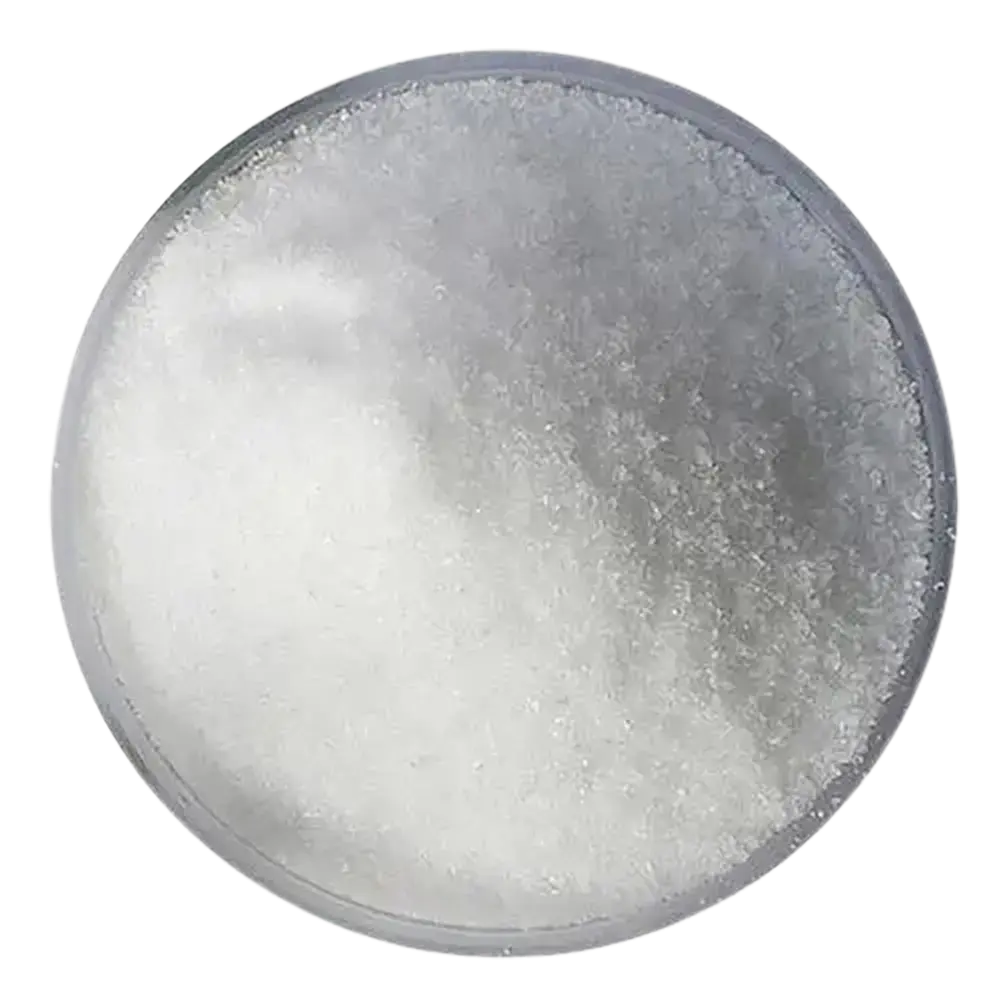
Zirconium Chloride (ZrCl₄) powder is an inorganic compound composed of zirconium and chlorine. It is commonly available as a white, crystalline powder that is highly reactive and plays a key role in various chemical processes.
Properties:
Chemical Formula: ZrCl₄
Molar Mass: 233.04 g/mol
Appearance: White to off-white crystalline powder
Melting Point: 437 °C
Boiling Point: 331.3 °C (sublimes)
Density: 2.8 g/cm³
Solubility: Hydrolyzes in water; soluble in organic solvents like ethanol, benzene, and ether.
Reactivity: Reacts with water, forming zirconium oxide and releasing hydrogen chloride.
Applications:
Catalyst in Organic Chemistry
Lewis Acid Catalyst:Zirconium Chloride is used as a Lewis acid in organic synthesis, facilitating various reactions such as alkylation, acylation, and polymerization.
Polymerization Catalyst: It is used in Ziegler-Natta catalysts for polymerizing olefins, such as in the production of polyethylene and polypropylene.
Chemical Vapor Deposition (CVD)
Zirconium Coating: Zirconium Chloride is used in chemical vapor deposition processes to produce high-purity zirconium coatings. These coatings are applied to enhance the properties of metals or other materials, such as resistance to heat and corrosion.
Zirconium Metal Production
Reduction to Metallic Zirconium: Zirconium Chloride is used as a precursor in the production of metallic zirconium through the Kroll process. This process involves the reduction of ZrCl₄ using magnesium or sodium to produce zirconium metal, which is widely used in aerospace, nuclear reactors, and other industries.
Nuclear Industry
Cladding Material for Nuclear Fuel Rods: ZrCl₄ serves as a precursor to zirconium metal, which is used in the nuclear industry as cladding material for fuel rods due to its low neutron absorption and high corrosion resistance.
Ceramics and Glass Manufacturing
Ceramic Additive: ZrCl₄ is used as a source of zirconium in the production of zirconium-based ceramics, such as zirconia (ZrO₂), which are known for their toughness, thermal resistance, and wear resistance. Zirconia ceramics are widely used in structural materials, dental implants, and cutting tools.
Corrosion-Resistant Coatings
Corrosion Resistance: ZrCl₄ is used to produce coatings that enhance the corrosion resistance of metals, making it useful in high-performance applications where exposure to harsh environments is a concern.
Laboratory Reagent
Research and Development: ZrCl₄ is used as a reagent in various research applications, especially in inorganic and coordination chemistry, for preparing zirconium compounds or studying metal-ligand interactions.
Electronics and Optics
Thin Film Deposition: It is used in thin film deposition processes for the production of optical coatings and electronic components. Zirconium-based films are highly valued for their refractive index and protective properties.
Safety Considerations:
Handling: ZrCl₄ is moisture-sensitive and reacts vigorously with water, releasing hydrogen chloride gas. Therefore, it should be handled with caution in a dry environment, and proper protective equipment is necessary.
VI HALBLEITERMATERIAL GmbH (VIMATERIAL) employs a stringent quality assurance system to ensure the reliability of our product quality. Strict quality control is implemented throughout the entire production chain, and for defective products, we strictly enforce the principle of rework and redo. Each batch is released only after passing detailed specification tests.
Every batch of our materials is independently tested, and, if necessary, we send samples to certified companies for testing. We provide these documents and analysis certificates with the shipment to certify that our products meet the required standards.
Contact our team of experts today and let us help you with your business!