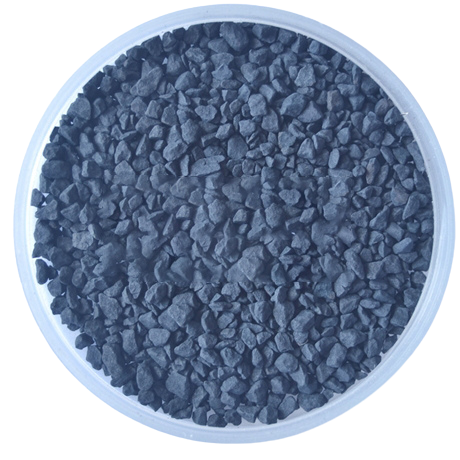
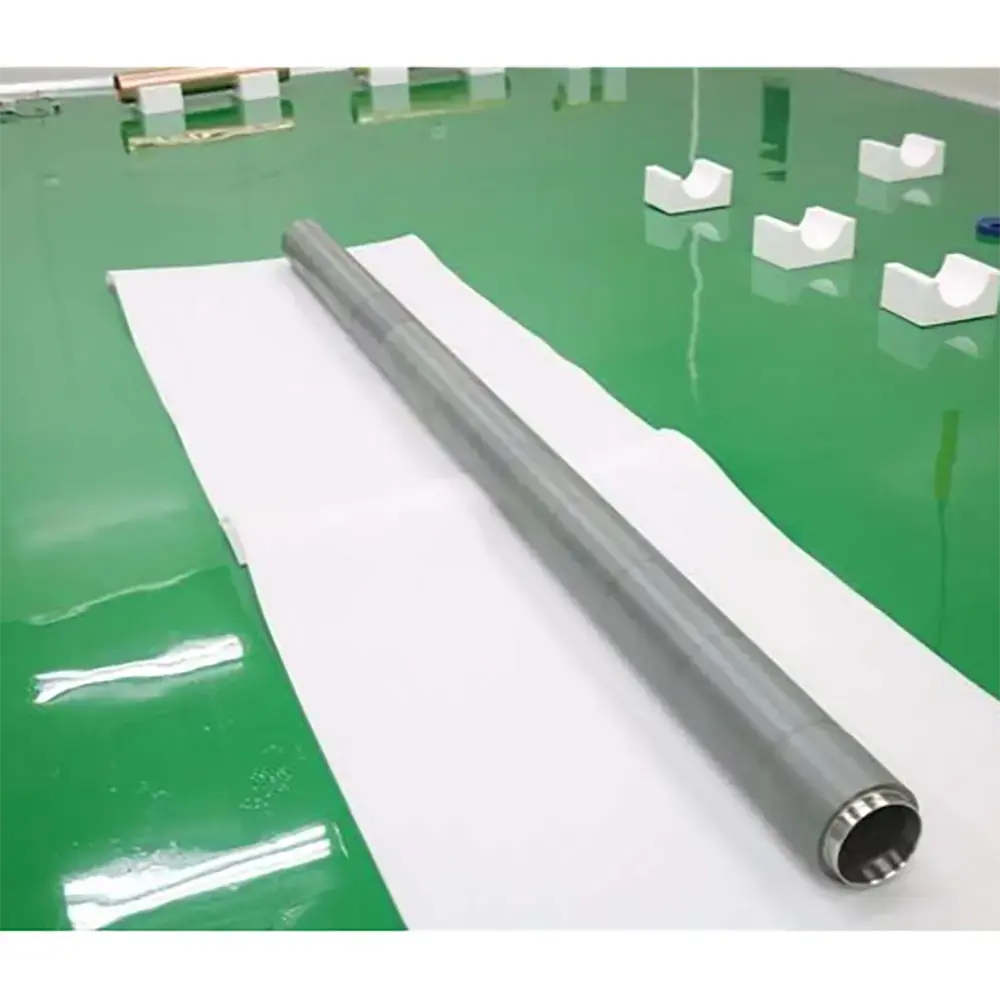
Tin Silver Copper Alloy granules are a granular material composed of three metals, tin, silver and copper, with good electrical and thermal conductivity, corrosion resistance and many other physicochemical properties, which have a wide range of applications in many fields such as electronics, materials and chemicals.
Characteristics
Density: about 7.38 g/cm³, the density is relatively moderate, which makes it in the application will not be too heavy to increase the burden of the product, but also to ensure a certain degree of physical strength and stability.
Melting point: Typically around 217 – 218 °C. Compared to traditional tin-lead alloys, it has a higher melting point and requires higher temperatures for soldering and other processes, but still maintains good stability at high temperatures, making it suitable for use in work scenarios with high temperature requirements.
Hardness: with high hardness, it can resist external abrasion and scratch to a certain extent, which ensures the durability of the material in the process of use.
Strength: high strength, can withstand a certain degree of tensile, compression and other stresses, making it as a structural material or connecting material with good reliability. For example, in the welding of electronic equipment, it can firmly connect electronic components to ensure the normal operation of electronic equipment.
Conductivity: tin-silver-copper alloys have good electrical conductivity, which is one of the most important reasons for their wide application in the electronic field. The addition of silver improves the conductivity of the alloy, while the presence of tin and copper also ensures the conductivity of the alloy to a certain extent, so that it can meet the requirements of electronic equipment on conductive materials.
Thermal conductivity: Higher thermal conductivity allows for the rapid transfer of heat, which is very important for the dissipation of heat in electronic equipment and in some application scenarios that require high thermal conductivity. In the field of electronic packaging, heat sinks, etc., the thermal conductivity characteristics of tin silver copper alloys can effectively improve the heat dissipation efficiency of the equipment to ensure the normal operation of the equipment.
Applications
Electronic welding field:
Surface Mount Technology (SMT): In modern electronics manufacturing, SMT is a very important assembly technology. Solder made from tin silver copper alloy particles is widely used to solder electronic components to printed circuit boards (PCBs). Its nearly eutectic composition gives the alloy good wettability and solder strength, ensuring reliable connections between electronic components and circuit boards, and it is suitable for the production of all types of electronic devices such as mobile phones, computers and tablets.
Wave soldering: This is a batch soldering technique commonly used in the mass production of electronic products. Tin-silver-copper alloy particles are used as the solder for wave soldering, which can be melted quickly at high temperature and form solid solder joints on the circuit boards, thus improving the production efficiency and soldering quality.
Manual soldering: For some special electronic equipment repair or small batch production, manual soldering is still irreplaceable. The solder wire made of tin silver copper alloy particles is easy to operate manually, and the solderers can make precise soldering according to the needs, which is suitable for the occasions with high requirements on soldering precision.
Electrical connection field:
Wire and cable connections: In the connection of wires and cables, tin silver copper alloy particles can be used to make connectors or soldering points to ensure a good conductive connection between wires. Its good conductivity and corrosion resistance can ensure the stability and reliability of the connection and reduce electrical failures caused by poor connections.
Electronic connectors: Electronic connectors are key components used in electronic equipment to connect different parts. Tin silver copper alloy particles can be used to make the contact point of the connector, providing a stable electrical connection and good plugging performance, widely used in a variety of electronic equipment interface connection, such as USB connectors, HDMI connectors and so on.
New energy field:
Solar Cell: In the manufacture of solar cells, tin-silver-copper alloy particles can be used to make electrodes and welding materials. Its good conductivity and welding performance can improve the conversion efficiency and reliability of solar cells, reduce the internal resistance of the battery and increase the output power of the battery.
Lithium-ion batteries: The electrode material of lithium-ion batteries usually needs to be well connected with the collector, and the tin silver copper alloy particles can be used as the welding material between the electrode material and the collector to ensure the charging and discharging performance and safety of the battery.
Metal processing field:
Brazing: In addition to electronic soldering, tin silver copper alloy particles can also be used for brazing of metal materials. For example, they are used to join copper and copper alloys and steel and other workpieces in the refrigeration, electromechanical and mechanical industries. Its low melting point and good fluidity can quickly fill the joint gap in the brazing process, forming a solid connection.
Alloy material preparation: tin silver copper alloy particles can be used as raw materials for the preparation of a variety of tin silver copper alloy materials, such as plates, wires, rods and so on. These alloy materials have good mechanical properties, electrical conductivity and corrosion resistance, and are widely used in aerospace, automotive manufacturing, machining and other fields.
Jewellery manufacturing field: As tin silver copper alloys have a certain colour and luster and relatively low cost, they can be used in jewellery manufacturing. For example, to make some low-grade jewellery or decorations, such as necklaces, bracelets, earrings and so on.
VI HALBLEITERMATERIAL GmbH (VIMATERIAL) employs a stringent quality assurance system to ensure the reliability of our product quality. Strict quality control is implemented throughout the entire production chain, and for defective products, we strictly enforce the principle of rework and redo. Each batch is released only after passing detailed specification tests.
Every batch of our materials is independently tested, and, if necessary, we send samples to certified companies for testing. We provide these documents and analysis certificates with the shipment to certify that our products meet the required standards.
Contact our team of experts today and let us help you with your business!