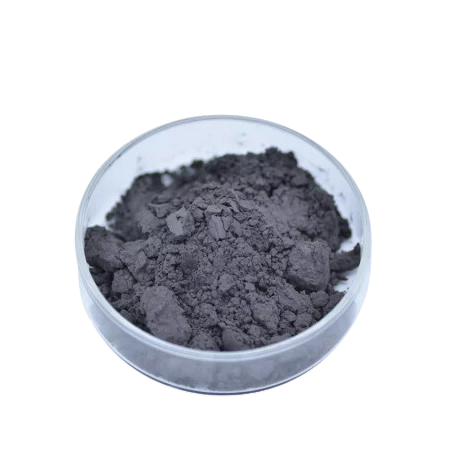
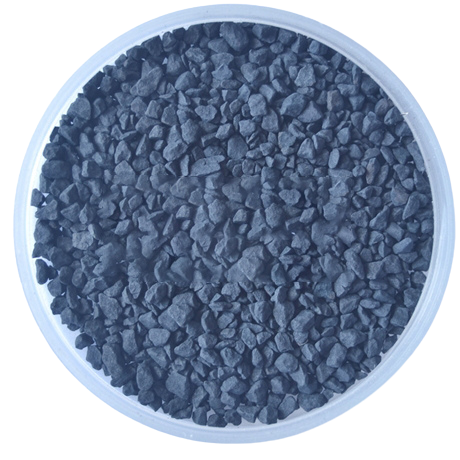
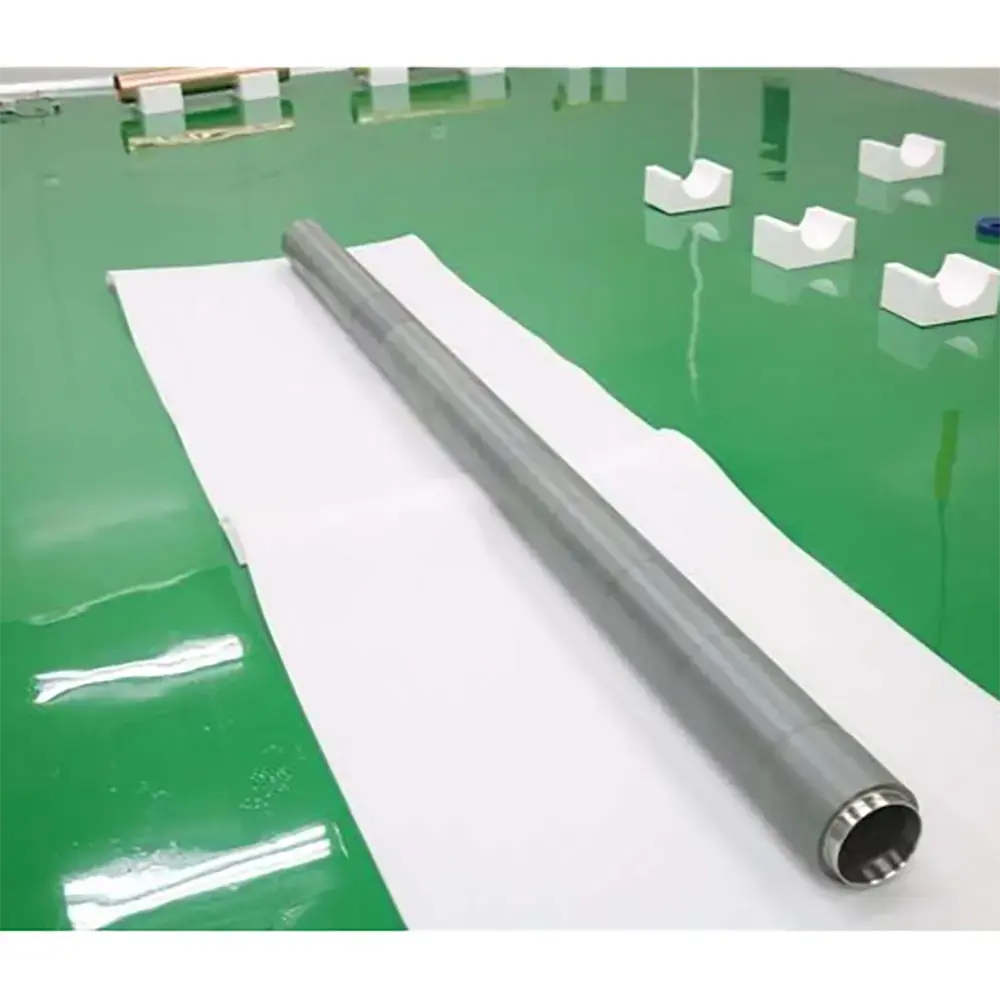
Sodium telluride is the chemical compound with the formula Na₂Te. This salt is the conjugate base of the thermally unstable acid hydrogen telluride, but it is usually prepared by reduction of tellurium with sodium.
Chemical formula:Na₂Te
Molecular Weight: 205.81 g/mol
Appearance: Sodium telluride is usually a dark solid, appearing as black or dark gray crystalline powder.
Structure: Sodium telluride typically exists in a crystalline form and is composed of sodium cations (Na⁺) and telluride anions (Te²⁻).
Density: Approximately 3.3 g/cm³ (can vary depending on crystal structure).
Melting Point: Sodium telluride has a high melting point around 1,500°C (2,732°F).
Solubility: Insoluble in water, but reacts with water to release hydrogen gas and form sodium hydroxide (NaOH) and tellurium.
Semiconductor Industry: Na₂Te is used as a precursor for the synthesis of various tellurium-based semiconductors, which are valuable in thermoelectric and optoelectronic devices.
Thermoelectric Materials: Due to its semiconductor properties, sodium telluride is sometimes used in the development of thermoelectric materials for energy conversion applications.
Synthesis of Other Tellurides: It is used as a precursor to other tellurium-containing compounds and alloys, such as tellurium dioxide (TeO₂) or tellurium-based glass.
Handling: Na₂Te should be handled with extreme caution, as it is highly reactive, particularly in the presence of water or moisture. Protective equipment, including gloves, goggles, and a fume hood, is recommended when working with this compound.
Storage: Store sodium telluride in tightly sealed containers in a dry, cool place. Avoid exposure to moisture or humidity to prevent degradation or reaction with water. Containers should be made of materials that do not react with the compound.
Safety Considerations:Hazardous Reaction with Water: When exposed to moisture, sodium telluride reacts violently, releasing hydrogen gas and producing sodium hydroxide, which is caustic. This reaction can be hazardous.
Toxicity: Na₂Te itself is not highly toxic, but tellurium compounds can be toxic if ingested or inhaled. Proper precautions should be taken to avoid exposure to dust or fumes.
Handling Precautions: Given its reactivity and the potential for toxic fumes, Na₂Te should be handled in well-ventilated areas, away from sources of moisture or acidic substances.
Reactivity: Sodium telluride’s high reactivity with moisture and acids makes it potentially dangerous to the environment if improperly disposed of. The formation of toxic tellurium compounds should be carefully managed.
VI HALBLEITERMATERIAL GmbH (VIMATERIAL) employs a stringent quality assurance system to ensure the reliability of our product quality. Strict quality control is implemented throughout the entire production chain, and for defective products, we strictly enforce the principle of rework and redo. Each batch is released only after passing detailed specification tests.
Every batch of our materials is independently tested, and, if necessary, we send samples to certified companies for testing. We provide these documents and analysis certificates with the shipment to certify that our products meet the required standards.
Contact our team of experts today and let us help you with your business!