| Product ID | Formula | Purity | Dimension | Quantity | Price in € | Inquiry |
|---|---|---|---|---|---|---|
| 471700PD001 | AgCl | 99% | / | 100g | 243.00 | Inquire |
| 471700PD002 | AgCl | 99.999% | / | 5g | 123.00 | Inquire |
| 471700PD003 | AgCl | 99.9999% | / | 5g | 135.00 | Inquire |
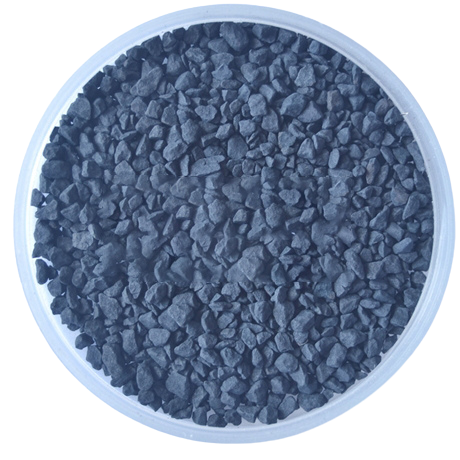
Silver Chloride powder is a white, odourless, water insoluble inorganic compound powder.
Properties
Chemical formula: AgCl
Molecular weight: 143.32
CAS No.: 7783-90-6
Appearance: white powder
Density: 5.56 g/cm³
Melting point: 455°C
Boiling point: 1550°C
Refractive index: n20/d 2.0668 (lit.); 2.071
Solubility: insoluble in water, solubility in water at 25℃ is about 0.19mg/L, soluble in ammonia, sodium cyanide, sodium thiosulphate, mercuric nitrate solution; insoluble in ethanol and dilute hydrochloric acid.
Stability: stable, but sensitive to light, easy to decompose and turn purple and black gradually when exposed to light.
Conductivity: has a certain degree of conductivity, can be used to make electrodes, etc.
Applications
Photographic field:
Light-sensitive materials: in traditional black-and-white photography, silver chloride is one of the important components of film or film. It has good optical sensitivity. When exposed to light, silver chloride undergoes a photolytic reaction, producing black silver particles, which make up the image of a black-and-white photograph. However, with the development of digital photography technology, this application has been gradually reduced, but it is still used in some special photographic processes and artistic photography.
Infrared Optical Components: Due to its good penetration of infrared rays, it can be used in the manufacture of infrared optical components, such as infrared detectors, infrared sensors, and other optical parts in equipment.
Electronic technology field:
Electrode materials: silver – silver chloride electrodes consisting of silver chloride and silver are widely used. These electrodes are simple in structure and small in size, and are often used as internal reference electrodes for other electrodes in the field of scientific research and in various electrochemical measurements and analyses.
Battery materials: As early as 1880, they were used to make seawater batteries, which were mass-produced in World War II and used as a source of power for military and civilian products, such as torpedoes, night buoys for ships, luminous buoys for fisheries, and radio observers. In addition, dry cell batteries made from silver chloride have been produced, which have excellent electrical properties and remain stable after twelve months of storage.
Analytical Chemistry:
Analytical reagents: can be used to determine the silver content of a sample as well as the chloride content of other chlorides.
Test for chloride ions: a white precipitate, commonly used to test for the presence of chloride ions in a solution. When silver ions are added to a solution containing chloride ions, a white silver chloride precipitate will be generated immediately, and by observing whether the precipitate is generated and the colour and nature of the precipitate, it can be judged whether the solution contains chloride ions.
Metallurgical chemical field:
Precious metal extraction: it can form insoluble chloride precipitates with precious metals such as gold and platinum, playing an important role in the process of extracting gold and other precious metals. In the process of extracting silver, it also involves the generation and conversion of silver chloride .
Catalyst preparation: It can be used to prepare metallurgical catalysts .
Medical and pharmaceutical field:
Antibacterial material: it has a certain antibacterial and bactericidal effect, it can be mixed with silver nitrate to make a bactericidal paper dressing, which can effectively kill gram-positive and negative bacteria when applied to wounds. Nano-scale silver chloride particles can also be added to gauze and other dressings to make a new type of medical dressing that can effectively promote wound healing.
Medical Electrodes: Due to its good electrical conductivity and biocompatibility, it can be made into medical electrodes for measuring bioelectric signals of the human body, such as electrocardiogram, electroencephalogram and other tests.
Optical glass field:
Manufacture of colour-changing glass: The colour-changing property of silver chloride in the presence of light allows it to be used in the manufacture of colour-changing glass, which automatically changes to a darker colour under strong light and returns to its original colour in low-light environments, although due to the high cost of production, it is used in the glass of passenger cars and special light-avoidance buildings.
Manufacture of optical lenses: With high refractive index and transmittance, it can be used to manufacture optical devices such as optical lenses.
VI HALBLEITERMATERIAL GmbH (VIMATERIAL) employs a stringent quality assurance system to ensure the reliability of our product quality. Strict quality control is implemented throughout the entire production chain, and for defective products, we strictly enforce the principle of rework and redo. Each batch is released only after passing detailed specification tests.
Every batch of our materials is independently tested, and, if necessary, we send samples to certified companies for testing. We provide these documents and analysis certificates with the shipment to certify that our products meet the required standards.
Contact our team of experts today and let us help you with your business!