| Product ID | Formula | Purity | Dimension | Quantity | Price in € | Inquiry |
|---|---|---|---|---|---|---|
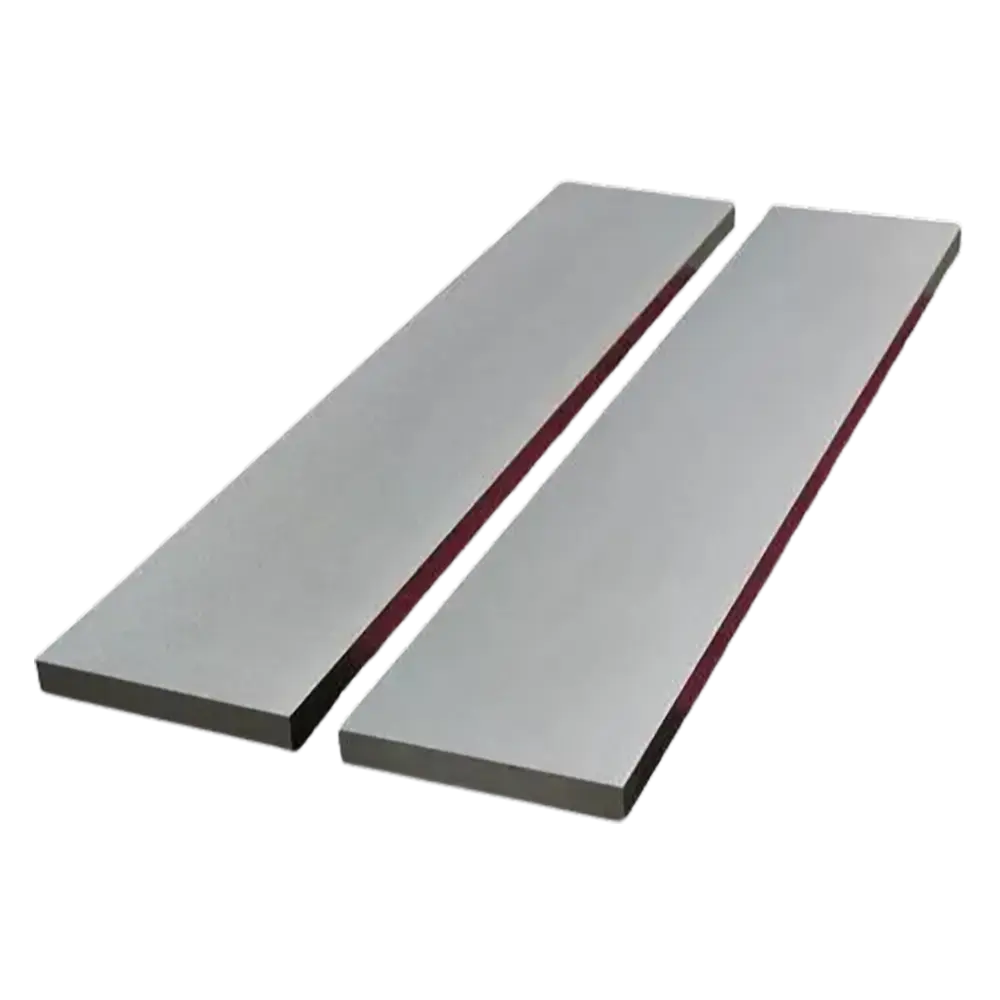
| 425700SH001 | MoLa | 99.95% | 0.5 mm x 600 mm x 2000mm | 500g | POR | Inquire |
| 425700SH002 | MoLa | 99.95% | 0.8 mm x 600 mm x 2000mm | 500g | POR | Inquire |
| 425700SH003 | MoLa | 99.95% | 1 mm x 600 mm x 2000mm | 500g | POR | Inquire |
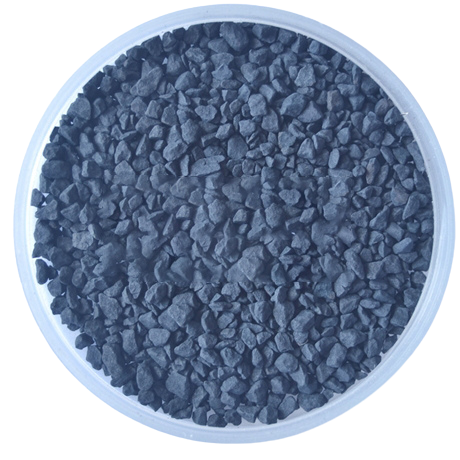
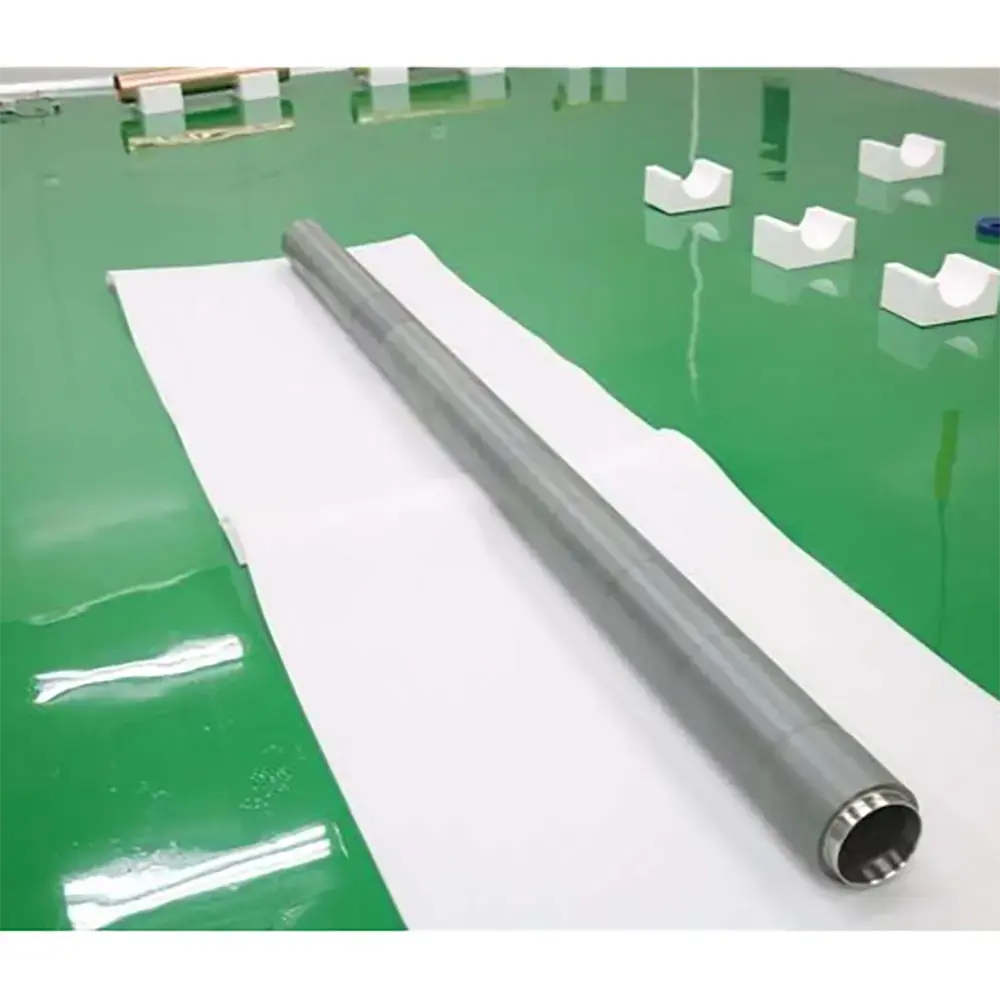
Molybdenum Lanthanum Alloy sheet is a molybdenum based alloy sheet with lanthanum added.
Properties
Appearance: It usually has a silvery gray metallic luster and a smooth surface with a good metallic texture.
Density: Molybdenum has a density of about 10.2 g/cm³, lanthanum 6.17 g/cm³. The density of molybdenum lanthanum alloy sheet varies slightly depending on the lanthanum content, but is roughly in the vicinity of molybdenum’s density, generally around 10 g/cm³.
Melting point: Molybdenum has a melting point of 2623°C, while lanthanum has a relatively low melting point of around 920°C. The melting point of molybdenum-lanthanum alloy sheets is around 10 g/cm³. The melting point of molybdenum lanthanum alloy plates can fall between the two, and decreases slightly as the lanthanum content increases, but due to the dominance of molybdenum, the melting point is still high, usually above 2000°C. The melting point of molybdenum lanthanum alloy plates can also fall between the two.
Thermal conductivity: The high thermal conductivity allows for efficient heat transfer, which makes it excellent in applications where good heat dissipation is required, such as heat sinks in electronic devices. Thermal conductivity is generally in the range of 100 – 150 W/(m・K), depending on the composition and microstructure of the alloy.
Coefficient of thermal expansion: The coefficient of thermal expansion of molybdenum lanthanum alloy sheet is relatively low, close to that of molybdenum, and is about 5 – 6 x 10-⁶/°C. This characteristic makes it suitable for use in applications with large temperature variations. This characteristic allows it to maintain good dimensional stability in environments with large temperature variations, reducing deformation and stresses due to thermal expansion and contraction, which is particularly important for some high-precision applications.
Hardness: The hardness of molybdenum is slightly higher than pure molybdenum, generally in the range of 200 – 300 HV on the Vickers scale, depending on the composition of the alloy, the processing technology and the state of heat treatment. The higher hardness results in better wear resistance and resistance to deformation.
Mechanical strength: At room temperature, molybdenum lanthanum alloy plate has high yield and tensile strength, and is able to withstand large external forces without plastic deformation or fracture. As the temperature rises, its strength will gradually decrease, but at high temperatures can still maintain good mechanical properties, with excellent high-temperature strength and creep resistance, can meet the requirements of high-temperature structural materials.
Chemical stability: at room temperature and pressure, molybdenum lanthanum alloy plate has good chemical stability and good corrosion resistance to most acids, alkalis and salt solutions. However, in some strong oxidizing acids or specific environments such as high temperature and high humidity, chemical reactions may occur. For example, in hot concentrated sulfuric acid, concentrated nitric acid and other strong oxidizing acids, the surface of the alloy may be oxidized to form a passivation film, which slows down the corrosion rate to a certain extent, but if the concentration of the acid is too high or the temperature is too high, corrosion may still occur.
Oxidation Resistance: The addition of lanthanum significantly improves the oxidation resistance of the alloy. At high temperatures, the alloy surface will form a layer of lanthanum oxides and molybdenum oxides composed of dense oxide film, which can effectively prevent the further diffusion of oxygen into the alloy, thus slowing down the oxidation process, reducing the oxidation rate, so that the alloy has a longer service life in the high-temperature oxidizing environment. Compared with pure molybdenum, molybdenum-lanthanum alloy plate in the same high-temperature conditions, its oxidation weight gain is significantly reduced, antioxidant performance has been significantly improved.
Reactivity with other elements: The molybdenum and lanthanum elements in molybdenum-gallium alloy plates may react chemically with other elements under certain conditions. For example, in some high-temperature alloying processes, molybdenum and gallium are able to form solid solutions or intermetallic compounds with other metal elements, which further improves the properties of the alloy. In addition, molybdenum-lanthanum alloy sheets may react electrochemically in certain chemical environments, such as in solutions containing certain metal ions, which need to be considered and controlled in some electrochemical applications.
Applications
Electronic industry: In electronic devices such as electron tubes and picture tubes, molybdenum lanthanum alloy plates can be used as electrodes and support materials, etc. The use of its high-temperature performance and good electrical conductivity ensures the stable operation of the electronic devices under high-temperature working conditions, and improves the performance and life of the devices.
High-temperature furnace components: commonly used in the manufacture of high-temperature furnace heating elements, heat insulation screens, reflective screens and other components that can withstand the high-temperature environment within the furnace, effectively reduce heat loss, improve energy efficiency, while ensuring the uniformity and stability of the temperature within the furnace.
Aerospace industry: In high-temperature components such as aircraft engines and space vehicles, molybdenum-lanthanum alloy plates can be used to manufacture key components such as combustion chambers and nozzles, and their excellent high-temperature and oxidation-resistant properties can meet the demanding requirements of materials in the aerospace industry and ensure the reliable operation of components under extreme high-temperature conditions.
Glass industry: In glass melting furnaces, molybdenum lanthanum alloy plates can be used as electrode materials for transferring electric current to the glass liquid to realize the melting and processing of glass. Its good corrosion resistance and high-temperature stability can ensure the electrode’s long-term stable work in the glass melt and improve the efficiency and quality of glass production.
VI HALBLEITERMATERIAL GmbH (VIMATERIAL) employs a stringent quality assurance system to ensure the reliability of our product quality. Strict quality control is implemented throughout the entire production chain, and for defective products, we strictly enforce the principle of rework and redo. Each batch is released only after passing detailed specification tests.
Every batch of our materials is independently tested, and, if necessary, we send samples to certified companies for testing. We provide these documents and analysis certificates with the shipment to certify that our products meet the required standards.
Contact our team of experts today and let us help you with your business!