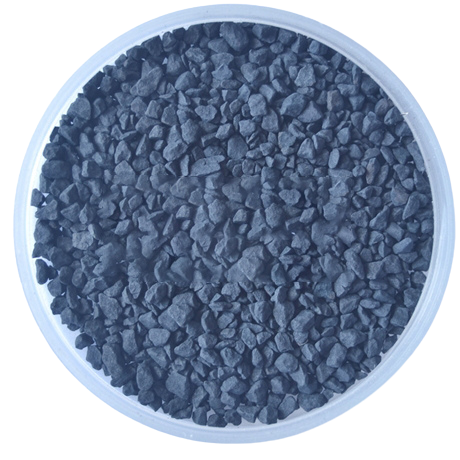
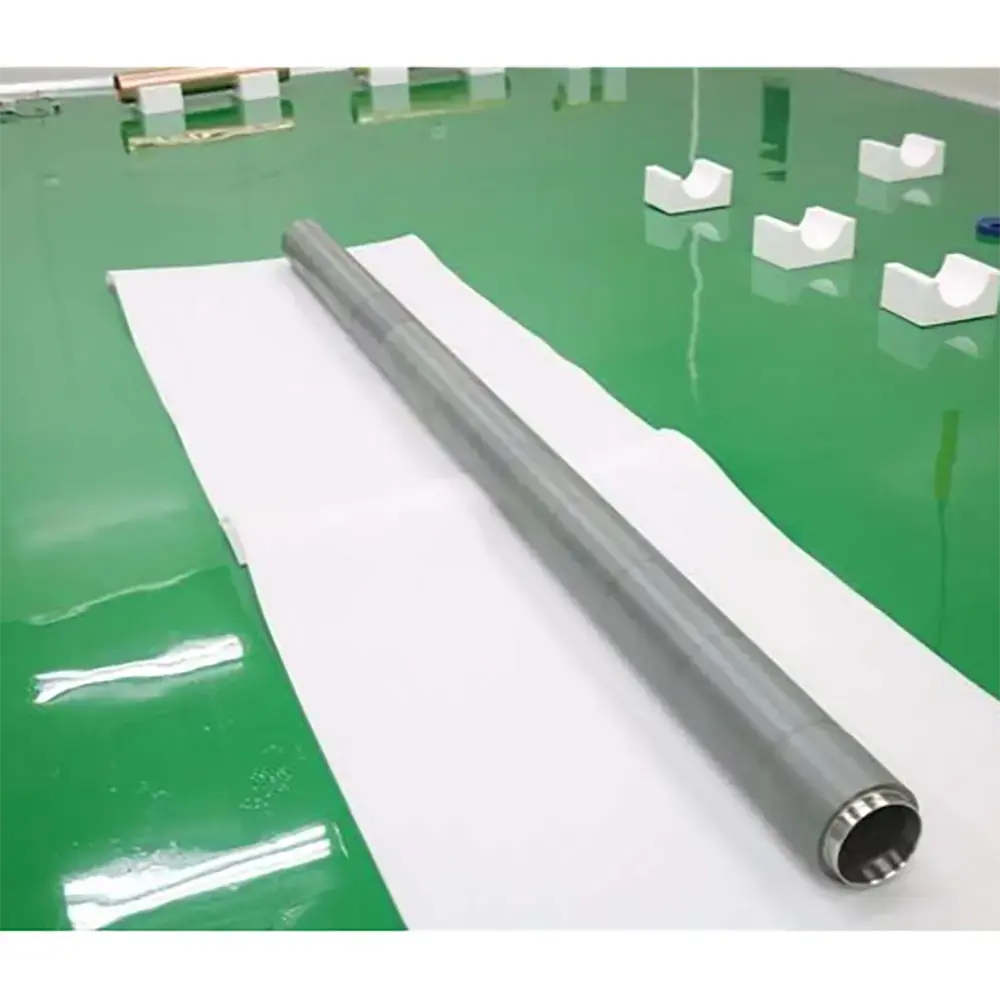
Magnesium stannide (Mg₂Sn) is an intermetallic compound formed between magnesium (Mg) and tin (Sn). It exhibits interesting chemical and physical properties that make it relevant in areas like thermoelectric materials, battery technology, and alloy manufacturing.
Chemical Formula: Mg₂Sn
Structure: Magnesium stannide typically has a cubic crystal structure, which contributes to its unique electronic and thermal properties. In this compound, magnesium atoms form a stable lattice with tin atoms, resulting in specific electronic characteristics that differ from the pure elements.
Thermoelectric Properties: Mg₂Sn is studied for its potential as a thermoelectric material, where it can convert temperature differences into electrical energy. This property arises from the compound’s ability to maintain a thermal gradient and its relatively high electrical conductivity.
Lightweight and Reactive: Magnesium stannide is lighter than many other intermetallic compounds, thanks to the low atomic mass of magnesium. This makes it suitable for applications where weight is a concern, although it remains sensitive to air and moisture, requiring careful handling.
Electrical Conductivity: Mg₂Sn has decent electrical conductivity, which, along with its thermoelectric potential, makes it suitable for specialized electronics or energy-conversion applications.
Thermoelectric Devices: Due to its thermoelectric properties, Mg₂Sn has been explored as a material in thermoelectric generators (TEGs), which can be used to recover waste heat in industrial processes and convert it into electricity.
Energy Storage and Battery Materials: Mg₂Sn has been studied as an anode material in magnesium-ion and lithium-ion batteries due to its ability to alloy with lithium and magnesium. However, its reactivity and limited cycle life in some cases have led to ongoing research on improving its stability and performance.
Alloy Additive: Mg₂Sn can be used as an alloying component in magnesium alloys, where it improves strength and may impart unique thermal or electronic properties.
Magnesium stannide is usually synthesized through methods like high-temperature reactions between magnesium and tin powders in an inert atmosphere. Due to its reactivity, it must be handled in a controlled environment to prevent degradation from moisture or oxidation.
VI HALBLEITERMATERIAL GmbH (VIMATERIAL) employs a stringent quality assurance system to ensure the reliability of our product quality. Strict quality control is implemented throughout the entire production chain, and for defective products, we strictly enforce the principle of rework and redo. Each batch is released only after passing detailed specification tests.
Every batch of our materials is independently tested, and, if necessary, we send samples to certified companies for testing. We provide these documents and analysis certificates with the shipment to certify that our products meet the required standards.
Contact our team of experts today and let us help you with your business!