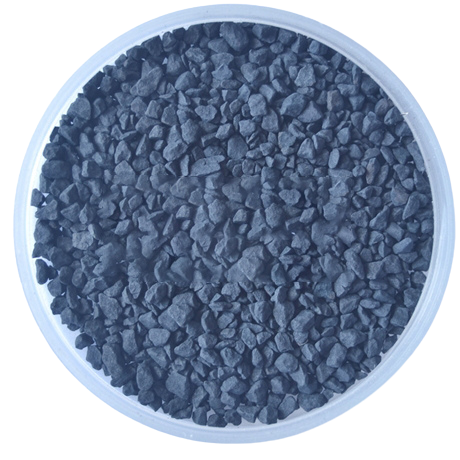
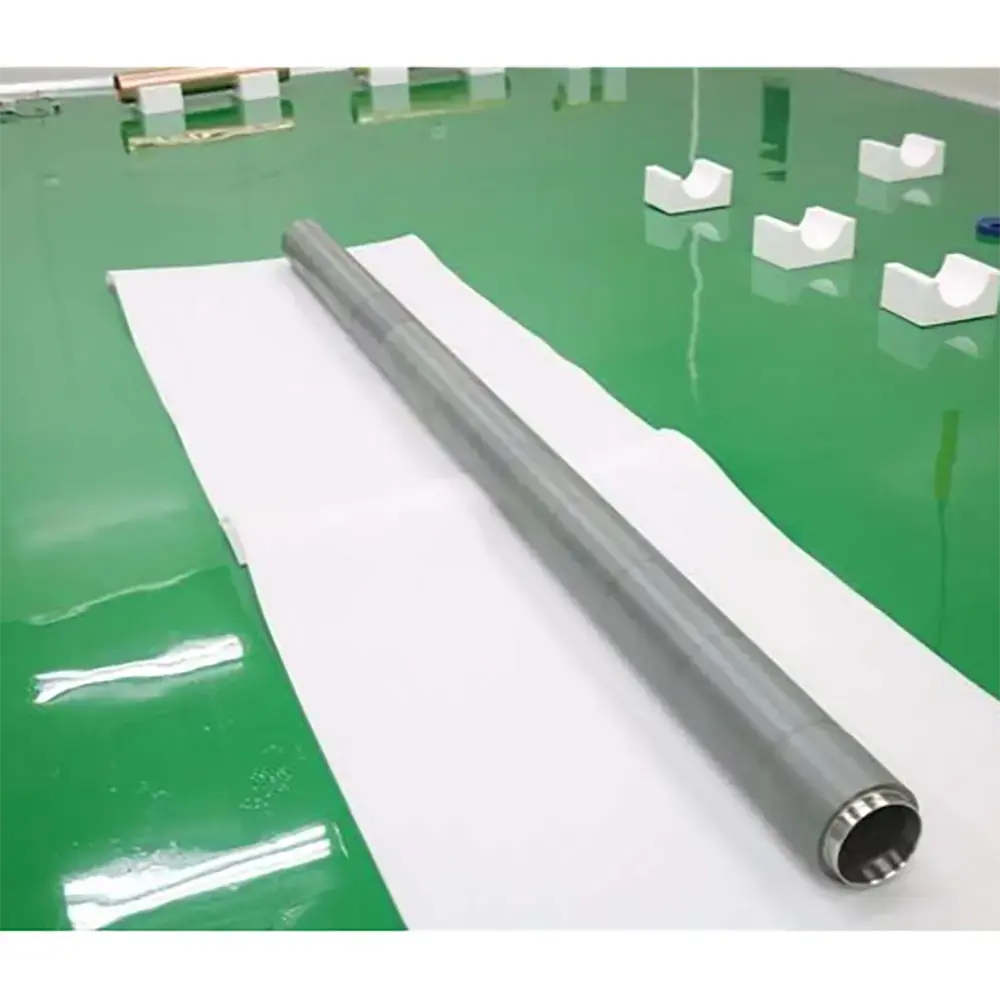
Indium Zinc Alloy particles are an alloy of indium and zinc particles that combine the properties of indium and zinc with good electrical and thermal conductivity and other physical properties, which make them useful in a variety of fields such as electronics, soldering, and coatings.
Characteristics
Density: Indium has a density of approximately 7.31 g/cm³ and zinc has a density of approximately 7.14 g/cm³. Indium zinc alloy particles can have densities in between, increasing with indium content. For example, an indium-zinc alloy with a relatively high indium content may have a density of around 7.2 – 7.3 g/cm³.
Melting point: Indium has a melting point of 156.61°C and zinc has a melting point of 419.53°C. Indium zinc alloys will have a melting point lower than that of zinc and higher than that of indium. The specific melting point value is related to the proportion of the alloy’s composition.
Generally speaking, when the indium content is higher, the melting point of the alloy will be closer to the melting point of indium; conversely, when the zinc content is higher, the melting point will be closer to the melting point of zinc.
Colour: Usually silver-grey in colour, the shade may vary slightly depending on the proportion of the components. When the indium content is high, the colour may be closer to the silver-white, slightly bluish hue of indium; when the zinc content is high, the colour is closer to the silver-grey of zinc.
CORROSION RESISTANCE: Both indium and zinc are susceptible to oxidation in air, forming an oxide film. The corrosion resistance of indium-zinc alloy particles may be relatively less than that of pure indium or pure zinc. Under certain environmental conditions, the oxidation rate of the alloy may be different from that of the pure metal. The specific corrosion resistance depends on the proportion of the alloy’s composition and the environmental conditions in which it is exposed, e.g., the alloy may gradually corrode in humid air.
Chemical reactivity: It has a certain chemical reactivity and can react with some acids, alkalis and other substances. For example, reaction with strong acids such as hydrochloric acid will produce the corresponding salt and hydrogen. However, the reactivity of the alloy will also be affected by the proportion of the components. When the indium content is higher, the reactivity with some reagents may be relatively lower; when the zinc content is higher, the reactivity may be closer to pure zinc.
Conductivity: indium is a good conductive material, whereas zinc has relatively poor conductivity. The conductivity of indium-zinc alloy particles will be between indium and zinc, and will increase as the indium content increases. In some electronic applications, Indium Zinc alloy particles can be selected according to the conductivity requirements.
Resistance: In contrast to electrical conductivity, the resistance of an alloy changes with indium content. In general, the higher the indium content, the lower the resistance; the higher the zinc content, the higher the resistance.
Hardness: The hardness of an alloy will usually be higher than that of pure indium and lower than that of pure zinc. By adjusting the ratio of indium to zinc, indium-zinc alloy particles with different hardnesses can be obtained to meet different application requirements. For example, in applications where a certain degree of hardness and wear resistance is required, an alloy with a relatively high zinc content may be selected; where flexibility is required, an alloy with a high indium content may be required.
Strength: The strength of indium zinc alloy particles can also be affected by the ratio of the components. An appropriate alloying ratio will give the alloy high strength and the ability to withstand a certain amount of external force without rupture or deformation.
Applications
Electronic industry field:
Electronic pastes: can be used to prepare electronic pastes, such as conductive pastes, resistive pastes and so on. These pastes are widely used in the manufacture of electronic components, such as the production of conductive lines on printed circuit boards (PCBs), resistors, capacitors and so on. The good conductivity and stability of indium-zinc alloy particles can ensure the performance of electronic pastes in electronic components.
Semiconductor materials: In semiconductor manufacturing, indium-zinc alloy particles can be used as doping materials to alter the electrical properties of semiconductors. For example, in the manufacturing process of some semiconductor devices, by doping the right amount of indium-zinc alloy particles, the conductivity and stability of semiconductors can be improved, thus enhancing the performance and reliability of semiconductor devices.
Transparent conductive films: Used in the preparation of transparent conductive films, such as in electronic devices such as touchscreens and liquid crystal displays, where transparent conductive films are one of the key components. The unique properties of indium zinc alloy particles enable them to maintain high conductivity while maintaining the transparency of the film, meeting the demand for transparent conductive materials in electronic devices.
Paint and Coating Field:
Anti-corrosion coatings: Due to the good corrosion resistance of indium zinc alloys, their particles can be added to coatings to form anti-corrosion coatings, which are used to protect metal structures from corrosion. For example, in fields such as marine engineering and petrochemicals, where metal structures are exposed to harsh environments for long periods of time and are susceptible to corrosion, the use of anti-corrosion coatings containing indium zinc alloy particles can effectively extend the service life of the metal structures.
Wear-resistant coatings: Alloy particles can enhance the hardness and wear resistance of coatings, which are applied to the surfaces of parts that need to withstand friction and wear, such as mechanical parts and moulds. By adding indium zinc alloy particles to the coating, the wear resistance of the component surface can be improved, reducing wear and damage and increasing the service life of the components.
Decorative coatings: can be used to prepare decorative coatings with special appearance effects, such as coatings with metallic luster and bright colours. These decorative coatings can be applied in the fields of architectural decoration, automotive decoration, etc., adding beauty and artistic value to the products.
Solar Cells: Indium zinc alloy particles can be used as electrode materials or auxiliary materials in the manufacture of solar cells. For example, in certain types of solar cells, indium zinc alloy particles can be used to prepare electrodes to improve the conductivity and stability of the electrodes, thereby improving the conversion efficiency and performance of solar cells.
Biomedical field:
Biosensors: indium zinc alloys can be used to make biosensors due to their good biocompatibility and conductivity. Biosensors can detect various substances in living organisms, such as proteins, nucleic acids, biomarkers, etc., which are important for the diagnosis and treatment of diseases. Indium-zinc alloy particles are used as materials for biosensors to improve the sensitivity and stability of the sensors.
Drug delivery: In drug delivery systems, indium zinc alloy particles can be used as drug carriers to achieve precise delivery and release of drugs. By modifying and functionalising the surface of indium-zinc alloy particles, they can be made to bind with drug molecules and release drugs under specific conditions, improving the therapeutic effect and safety of the drugs.
VI HALBLEITERMATERIAL GmbH (VIMATERIAL) employs a stringent quality assurance system to ensure the reliability of our product quality. Strict quality control is implemented throughout the entire production chain, and for defective products, we strictly enforce the principle of rework and redo. Each batch is released only after passing detailed specification tests.
Every batch of our materials is independently tested, and, if necessary, we send samples to certified companies for testing. We provide these documents and analysis certificates with the shipment to certify that our products meet the required standards.
Contact our team of experts today and let us help you with your business!