| Product ID | Formula | Purity | Dimension | Quantity | Price in € | Inquiry |
|---|---|---|---|---|---|---|
| 720600PD001 | HfC | 99% (Hf+Zr) | < 500 nm | 100g | 322.00 | Inquire |
| 720600PD002 | HfC | 99% (Hf+Zr) | D50< 5 μm | 100g | POR | Inquire |
| 720600PD003 | HfC | 99.5% (Hf+Zr) | -325 Mesh | 100g | POR | Inquire |
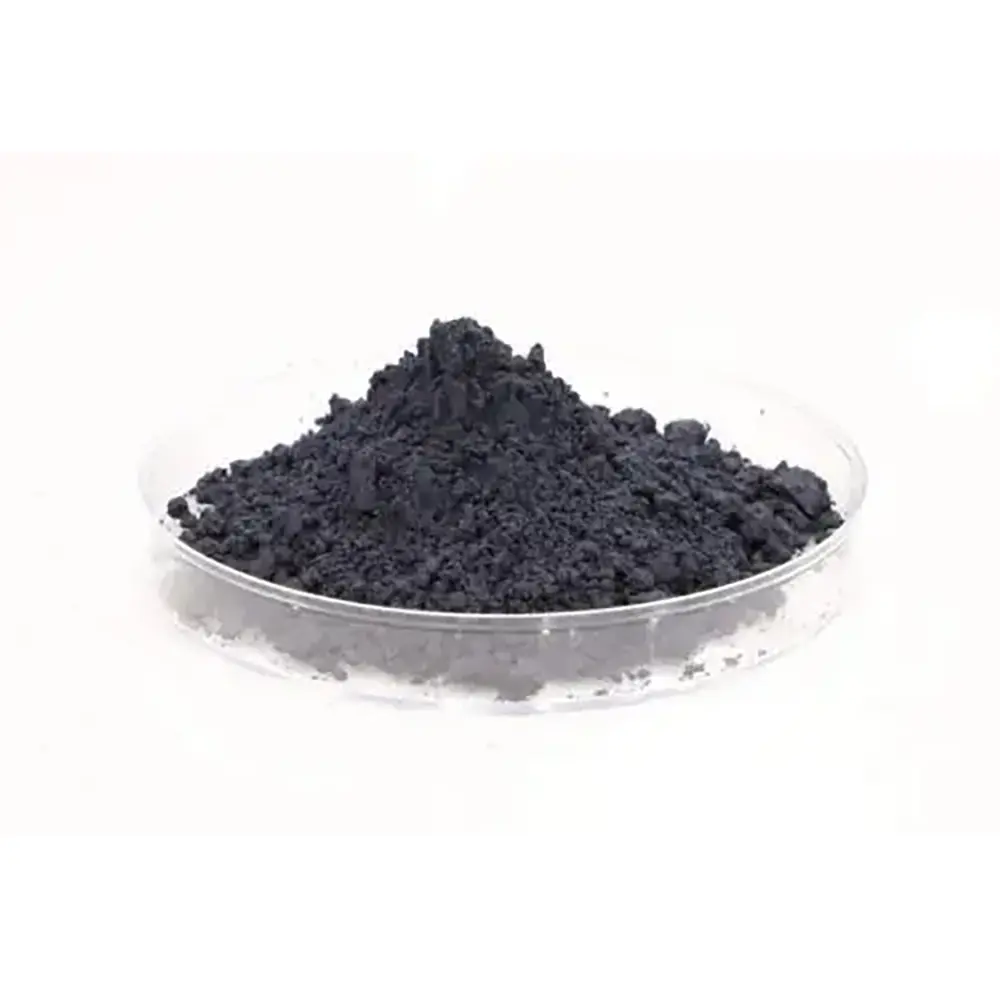
Hafnium Carbide powder is a black, odourless, fine solid powder consisting of hafnium and carbon with many excellent properties such as high melting point, high hardness, good chemical stability, low coefficient of thermal expansion, good electrical conductivity, etc. It has important applications in many fields such as aerospace, nuclear, machining and electronics.
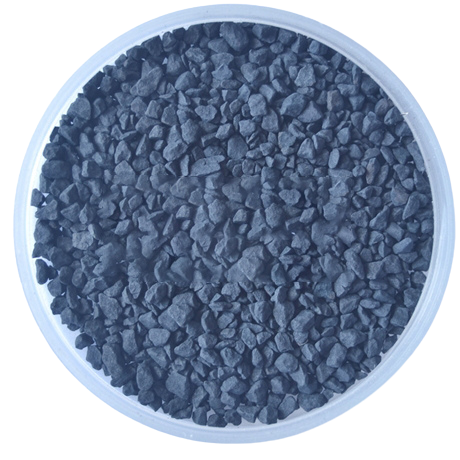
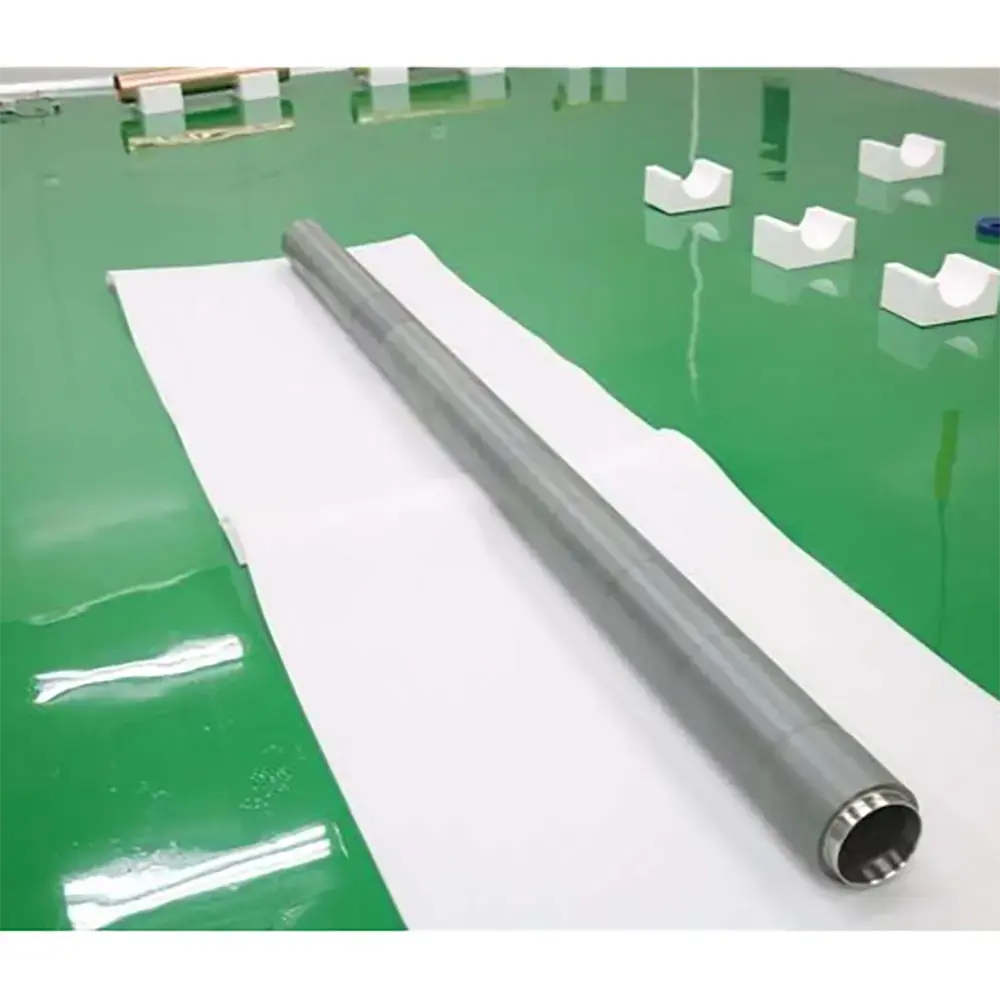
VIMATERIAL offers high-purity hafnium carbide powder, granules, and targets, with custom particle sizes and dimensions available to meet your needs. Contact us for more information.
Chemical formula: HfC.
Molecular weight: 190.5325 g/mol.
Appearance: Black powder, odourless.
Density: 12.7 g/cm³.
Melting point: 3890°C.
Coefficient of Thermal Expansion: 6.73 x 10-⁶ /°C.
Hardness: Mohs hardness of 9 and a microhardness of 2910 kg/mm².
Conductivity: conductivity of 2.2×10⁴ S/cm; relatively low resistivity of about 4.5×10-⁵Ω・cm.
Solubility: soluble in strong acids such as hydrofluoric acid, hot concentrated sulphuric acid and nitric acid.
Stability: Its solid phase stability is good, chemical corrosion resistance, suitable for use in high temperature and other harsh environments.
Antioxidant: It has good antioxidant performance at high temperature and can maintain good stability in oxidising atmosphere.
Aerospace: Used in thermal protection systems for hypersonic vehicles and in engine components such as turbine blades and combustion chambers. It helps materials withstand extreme heat, pressure, and airflow.
Electronics: Used for heat dissipation materials and electrode components in high-power or high-temperature devices. It improves cooling performance and maintains stable electrical behavior under harsh conditions.
Cutting Tools & Molds: Added to carbide tools and mold materials to increase hardness, wear resistance, and cutting performance, extending tool and mold lifespan.
Nuclear Industry: Used in reactor control rods due to its strong neutron absorption ability. It can also be used as a protective material for nuclear fuel to improve safety and durability.
Ceramics & Composites: Used in high-performance ceramics and as a reinforcement additive in metal or ceramic matrix composites to improve strength, hardness, and high-temperature resistance.
Hafnium carbide powder is typically packed in airtight, moisture-proof containers such as sealed plastic or aluminum foil bags, often placed inside plastic drums or cartons with cushioning materials. This helps prevent contamination, moisture absorption, and powder leakage during transportation.
HfC powder should be stored in a dry, cool, and well-ventilated environment, away from moisture, acids, and oxidizing agents. The container should remain tightly sealed to maintain stability and prevent agglomeration or performance degradation.
Q1: What is hafnium carbide?
A: Hafnium carbide (HfC) is an ultra-high-temperature ceramic compound made of hafnium and carbon. It has an extremely high melting point (over 3800°C), very high hardness, and excellent thermal and chemical stability, making it suitable for extreme environments.
Q2: What is hafnium carbide powder used for?
A: Hafnium carbide powder is used in aerospace thermal protection systems, rocket nozzles, nuclear reactor components, cutting tools, high-temperature coatings, and electronic applications. It is valued for its ability to withstand extreme heat, wear, and chemical corrosion.
Q3: How to make hafnium carbide?
A: Hafnium carbide is typically produced by high-temperature carbothermal reduction, where hafnium oxide (HfO₂) reacts with carbon sources (such as carbon black) at very high temperatures (usually above 1800–2200°C) in a controlled atmosphere. Other methods include chemical vapor deposition (CVD) and arc melting for specialized applications.
VI HALBLEITERMATERIAL GmbH (VIMATERIAL) employs a stringent quality assurance system to ensure the reliability of our product quality. Strict quality control is implemented throughout the entire production chain, and for defective products, we strictly enforce the principle of rework and redo. Each batch is released only after passing detailed specification tests.
Every batch of our materials is independently tested, and, if necessary, we send samples to certified companies for testing. We provide these documents and analysis certificates with the shipment to certify that our products meet the required standards.
Contact our team of experts today and let us help you with your business!