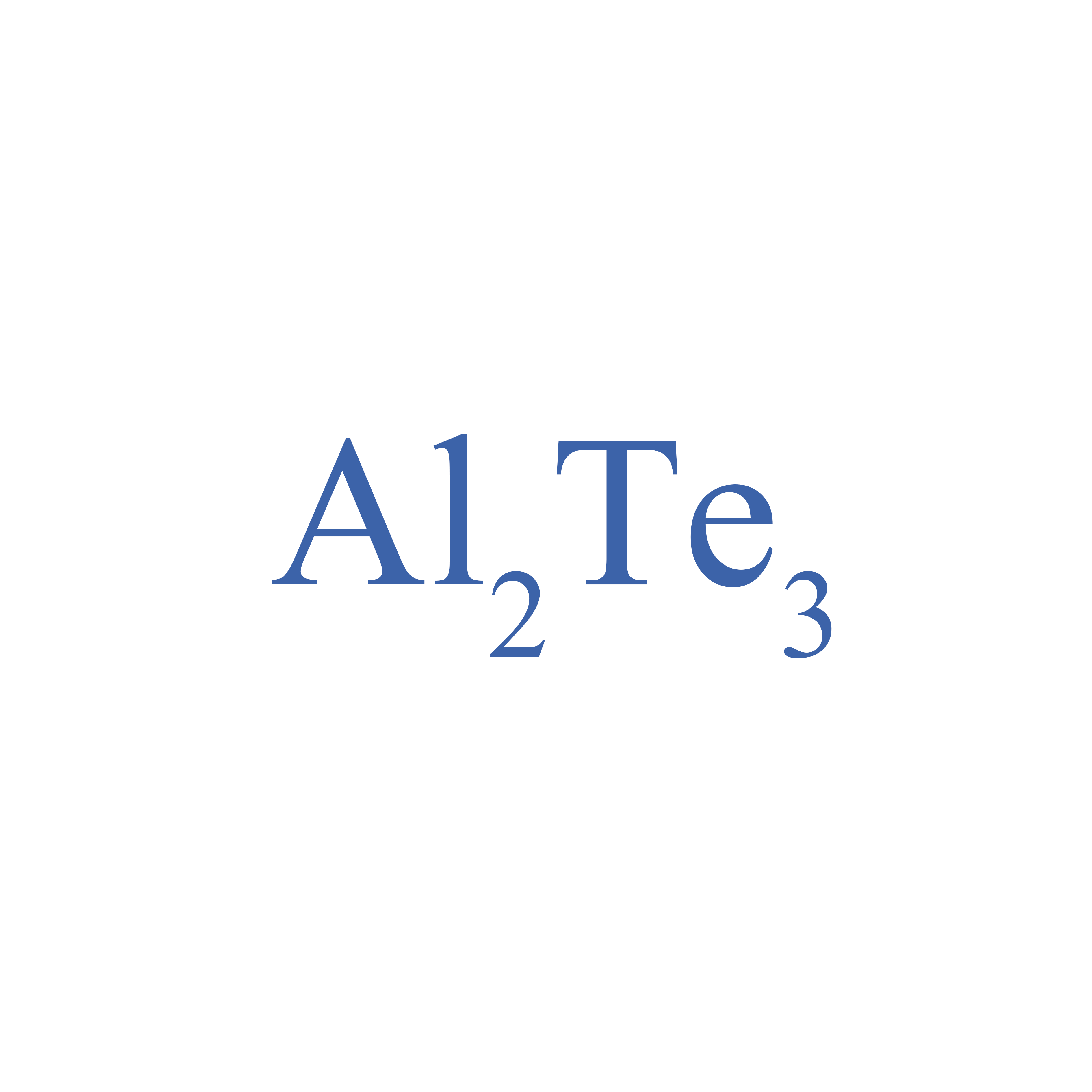
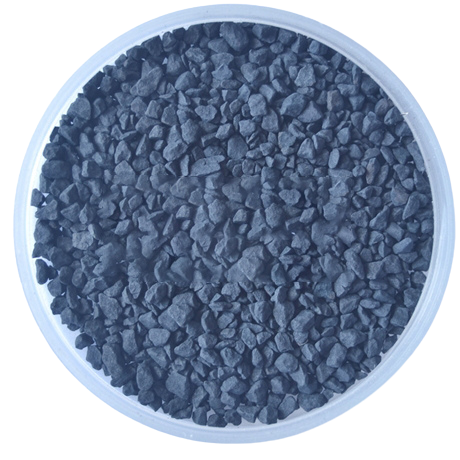
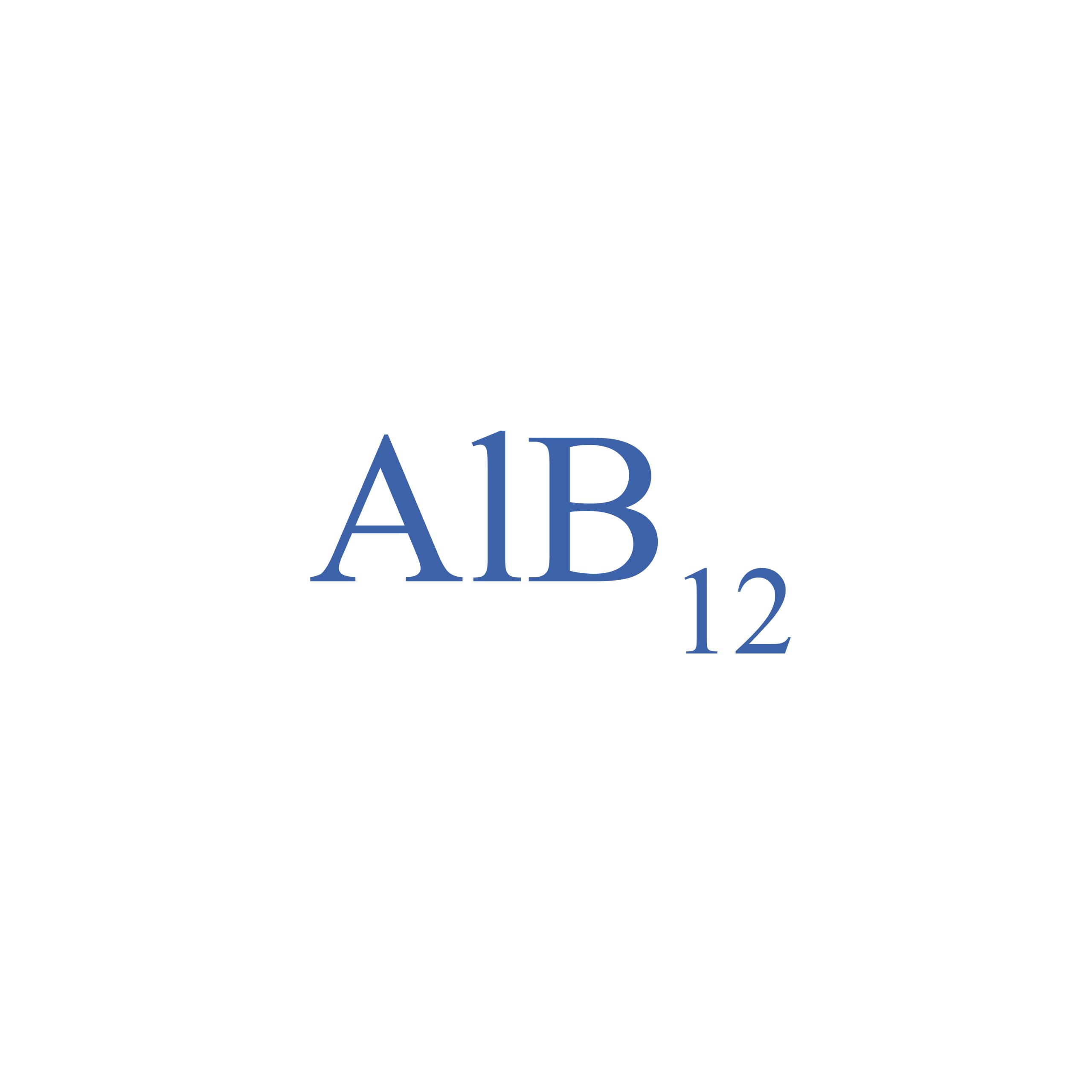
Aluminum Telluride (Al₂Te₃) is an inorganic compound formed by the reaction of aluminum and tellurium. Known for its semiconductor properties, aluminum telluride has applications in electronics and optoelectronics, though it is less commonly used than other telluride compounds. Aluminum telluride is often used in research, especially for exploring new materials in the field of semiconductors and infrared applications.
Formula: Al₂Te₃, composed of aluminum and tellurium atoms.
Crystal Structure: Al₂Te₃ generally forms in a crystalline structure, though its precise properties can vary based on synthesis methods and environmental conditions.
Appearance: Typically appears as a solid material with a greyish color.
Melting Point: Decomposes at high temperatures rather than melting cleanly, which affects its handling and application in high-temperature processes.
Semiconductor Behavior: Al₂Te₃ exhibits semiconductor properties, making it potentially useful for electronic and optoelectronic applications.
Reactivity with Moisture: Aluminum telluride is sensitive to moisture and hydrolyzes upon contact with water, producing aluminum hydroxide and tellurium compounds. This sensitivity requires careful handling and storage in dry, controlled environments.
Thermal Decomposition: It decomposes at elevated temperatures, which limits its stability and makes it more suitable for low-temperature applications.
Research in Semiconductor Materials: Al₂Te₃ is studied in the development of novel semiconductors and optoelectronic devices, such as infrared detectors, lasers, and photodetectors.
Potential Infrared Applications: Aluminum telluride’s optical and electronic properties make it of interest in infrared technology and related research areas.
Electronic Components: Al₂Te₃ may have potential applications in electronic components, though it is less common than other tellurides like cadmium telluride (CdTe) or zinc telluride (ZnTe).
Moisture Sensitivity: Due to its tendency to hydrolyze, Al₂Te₃ must be stored in a dry, inert atmosphere, typically under nitrogen or argon, to prevent degradation.
Protective Equipment: When handling aluminum telluride, personal protective equipment (PPE) such as gloves and eye protection are recommended to prevent direct contact, as hydrolysis products may be irritating.
Avoid High Temperatures: Al₂Te₃ should be kept at lower temperatures to prevent decomposition.
Airtight Containers: Store in airtight containers to prevent contact with moisture.
Inert Atmosphere Storage: Ideally stored in an inert atmosphere, such as nitrogen or argon, to maintain stability.
VI HALBLEITERMATERIAL GmbH (VIMATERIAL) employs a stringent quality assurance system to ensure the reliability of our product quality. Strict quality control is implemented throughout the entire production chain, and for defective products, we strictly enforce the principle of rework and redo. Each batch is released only after passing detailed specification tests.
Every batch of our materials is independently tested, and, if necessary, we send samples to certified companies for testing. We provide these documents and analysis certificates with the shipment to certify that our products meet the required standards.
Contact our team of experts today and let us help you with your business!