


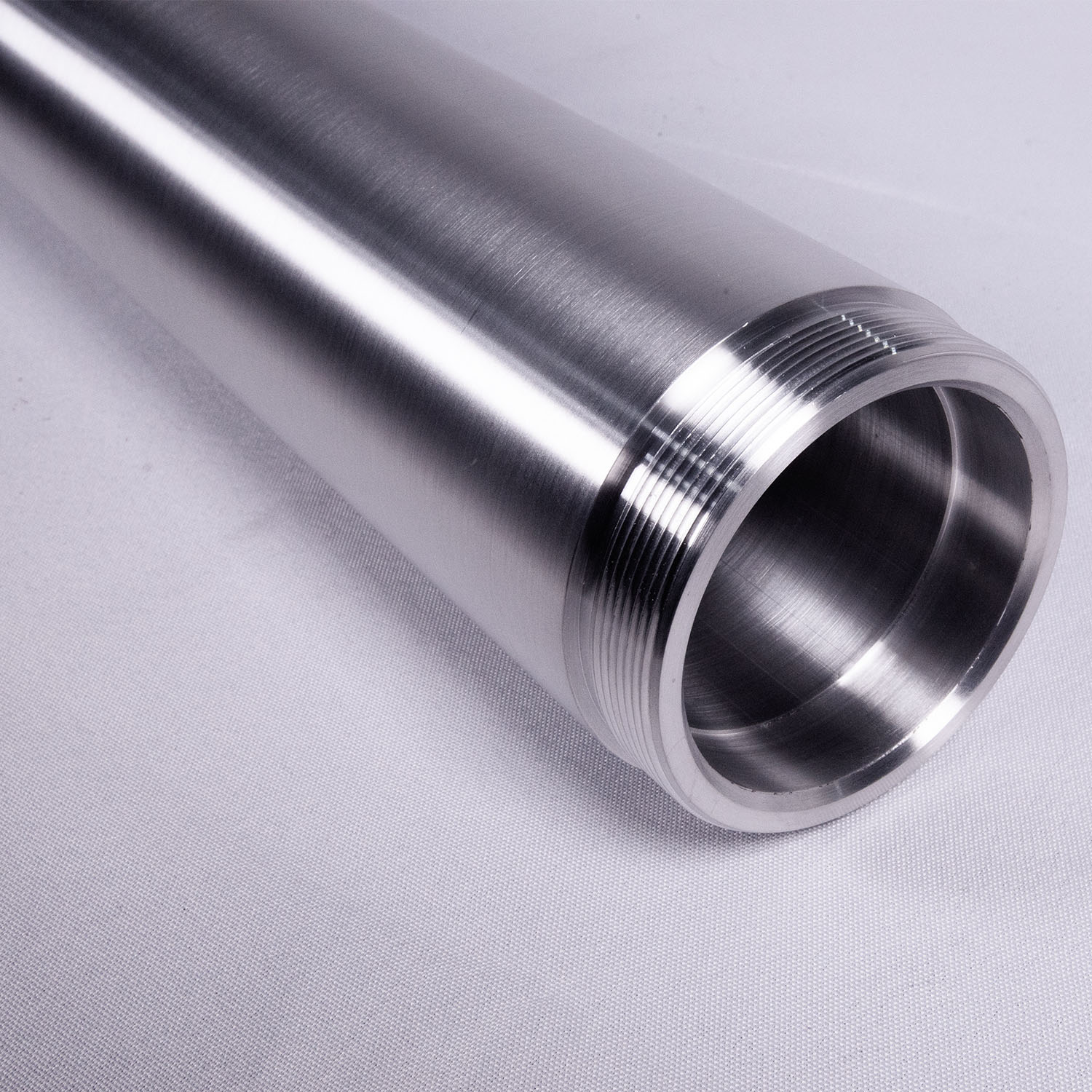
How to make sputtering target?
Sputtering targets are materials used for thin film deposition. Sputtering technology is used to sputter material atoms or molecules from solid targets and then form

Sputtering targets are materials used for thin film deposition. Sputtering technology is used to sputter material atoms or molecules from solid targets and then form
1. What Is Hexagonal Boron Nitride? Hexagonal boron nitride (h-BN) is a crystalline material composed of boron and nitrogen atoms arranged in a hexagonal layered structure. Among the various polymorphs of boron nitride, h-BN is
Silicon dioxide (SiO₂) is a compound composed of two elements: silicon (Si) and oxygen (O). You may not be familiar with the name, but it is everywhere in our daily lives. Let’s take a closer
Evaporation coating materials are essential for vacuum evaporation processes and thin-film deposition in modern manufacturing. From semiconductor devices and optical coatings to OLED displays and aerospace components, high-purity evaporation materials directly determine coating quality and
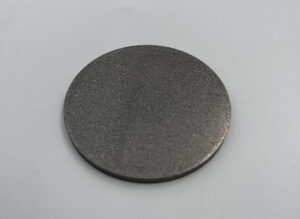
Cobalt iron boron alloy target (CoFeB) is an alloy composed of cobalt (Co), iron (Fe), and boron (B). Depending on the specific application, the elemental composition can be adjusted accordingly. By combining the excellent magnetic
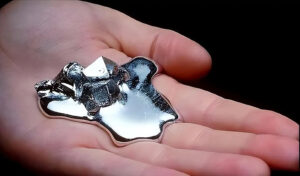
For centuries, humanity has pursued the discovery and utilization of new materials to meet ever-growing industrial demands. Some materials, however, are exceptionally rare and difficult to obtain, which makes them particularly valuable. Gallium and germanium
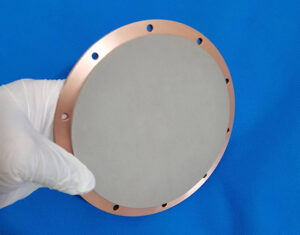
Sputtering targets, as a core technology in physical vapor deposition (PVD), are widely used in semiconductors, photovoltaics, display panels, and other fields. However, the short lifetime of targets and the challenge of balancing coating performance

Sputter targets are indispensable raw materials for producing functional thin films in semiconductors, display panels, photovoltaics, and other fields. Their role in various deposition processes makes them technologically irreplaceable. By selecting different target materials, manufacturers
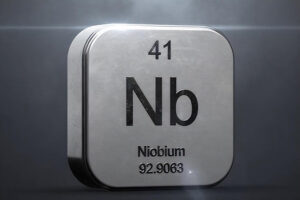
Niobium is a silver-gray, lustrous transition metal known for its exceptional strength, ductility, superconductivity, and corrosion resistance. It is widely used in aerospace, superconducting materials, and many other high-technology fields. What is niobium used for?
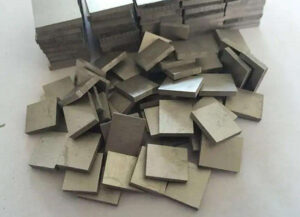
Niobium alloys are valued for their exceptional high-temperature strength, corrosion resistance, and unique superconducting properties. They play an important role in aerospace propulsion systems, superconducting magnets, chemical processing equipment, and nuclear technology. Below is an
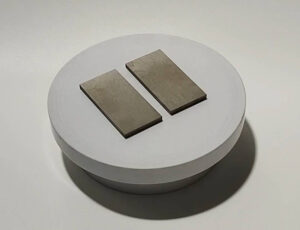
Niobium C-103 Alloy: Pushing the Limits of Performance and Leading a New Era of Ultra-High-Temperature Materials As a high-performance refractory metal alloy, C-103 alloy stands out for its exceptional resistance to high temperatures, corrosion, and
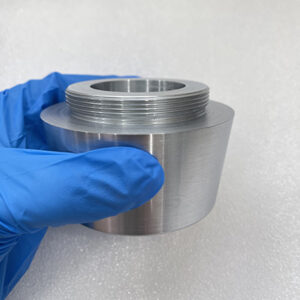
Chromium sputtering targets are PVD (Physical Vapor Deposition) materials made from high-purity chromium (typically ≥99.95%) and widely used in magnetron sputtering and related coating processes. Chromium, a silver-white transition metal, holds a special place in
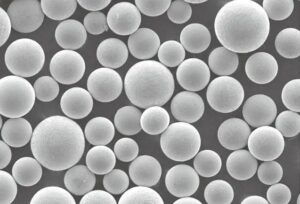
Spherical C103 alloy powder is an alloy material with niobium (Nb) as its main matrix. Due to its high-temperature resistance and good stability, it is used in some special applications. What is Spherical C103 Alloy