


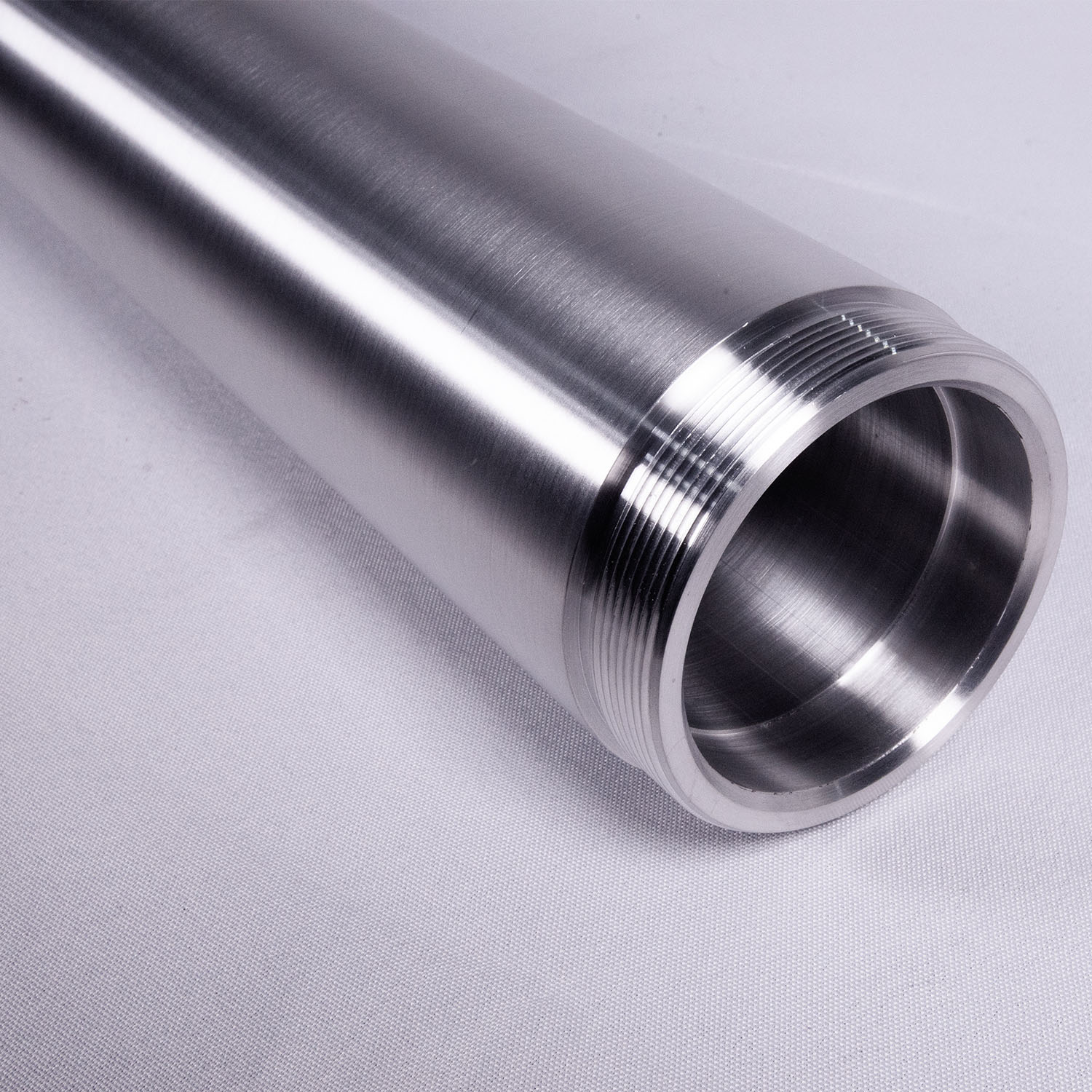
How to make sputtering target?
Sputtering targets are materials used for thin film deposition. Sputtering technology is used to sputter material atoms or molecules from solid targets and then form

Sputtering targets are materials used for thin film deposition. Sputtering technology is used to sputter material atoms or molecules from solid targets and then form
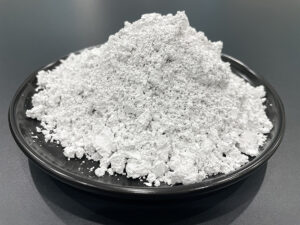
Aluminium nitride powder is a white or gray powder with the chemical formula AlN. It may look simple, but it is one of the most important advanced ceramic materials used today. With a melting point
As semiconductor technology races toward higher power, greater density, and miniaturization, a material with the rare combination of high thermal conductivity and excellent electrical insulation has become an industry must-have. This key member of the
When people talk about rare metals, rare earth elements are usually the first thing that comes to mind. Yet there is another metal—far less well known, but highly significant in both resources and industry: indium
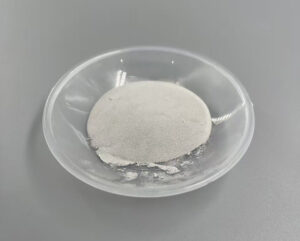
Indium powder is a metallic powder made from the element indium. Indium is classified as a rare dispersed metal and is relatively scarce in nature. Due to its unique physical and chemical properties, indium powder
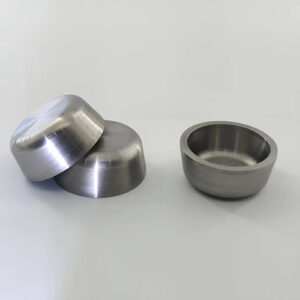
In high-temperature environments, the performance of materials can be significantly affected. High-temperature materials are specifically designed to maintain their structural integrity and stable properties even under extreme heat. These materials are widely used in aerospace,
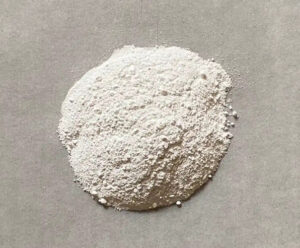
As semiconductor technologies continue to scale down and performance demands rise, advanced materials are playing an increasingly critical role. Among them, hafnium oxide (HfO₂) has emerged as a key high-k dielectric material, widely used in
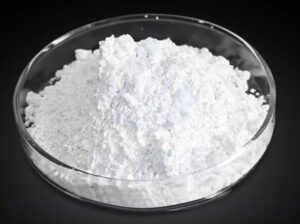
LATP solid electrolyte is widely regarded as one of the most promising solid electrolytes for next-generation energy storage systems. With the growing demand for safer and higher-performance batteries, particularly in electric vehicles and renewable energy
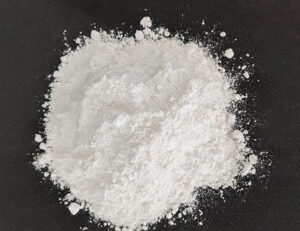
Lithium aluminum titanium phosphate (LATP) is an inorganic oxide solid electrolyte composed of phosphates, titanates, aluminates, and lithium ions. As an emerging solid-state electrolyte material, LATP offers high ionic conductivity at room temperature, low cost,
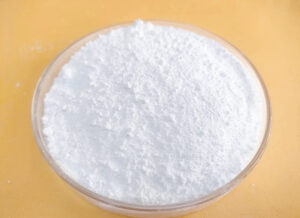
Barium carbonate (BaCO₃) is an important inorganic compound widely used in the electronics, glass, and ceramics industries. Thanks to its excellent chemical stability, high dielectric properties, and compatibility with glass materials, barium carbonate has become
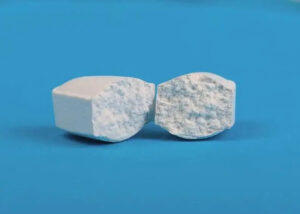
I. What Are Barium Titanate Ceramics? Barium Titanate ceramics are a typical perovskite-structured ferroelectric ceramic material widely used in the electronics industry. They are characterized by a very high dielectric constant, excellent temperature stability, and
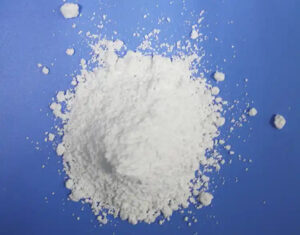
Nano Barium Titanate (BaTiO₃) is an important functional ceramic material widely used in modern electronics, energy storage, and advanced engineering fields. Due to its outstanding ferroelectric, piezoelectric, and dielectric properties, Nano Barium Titanate has become
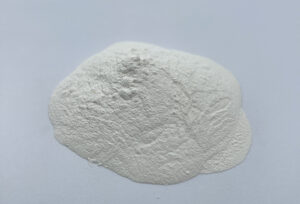
Barium titanate (BaTiO₃) is a typical perovskite-structured ferroelectric material. It exhibits a high dielectric constant, low dielectric loss, high resistivity, excellent insulation properties, and strong dielectric breakdown strength. In addition, BaTiO₃ shows remarkable ferroelectric and