


High purity zinc granules (typically ≥ 99.995%, also known as 4N5 zinc and above) are advanced metal materials widely used in high-tech industries. Due to their extremely low impurity content and stable physicochemical properties, they are essential in precision metallurgy, electronics manufacturing, chemical synthesis, and energy-related applications.
Compared with standard zinc materials, high purity zinc granules offer superior consistency, improved reactivity, and higher reliability in demanding industrial processes.
I. Key Properties of High Purity Zinc Granules
Ultra-High Purity
High purity zinc granules are characterized by a zinc content of 99.995% (4N5), 99.999% (5N), or even higher.
Impurities such as iron (Fe), lead (Pb), cadmium (Cd), copper (Cu), and tin (Sn) are strictly controlled at ppm or ppb levels.
This ultra-low impurity profile ensures:
- Stable chemical behavior
- High process reliability
- Improved electrical and thermal performance
- Reduced risk of contamination in sensitive applications
Controlled Particle Morphology
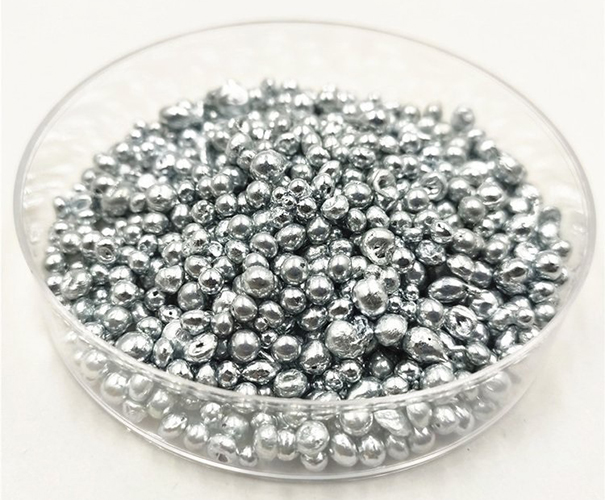
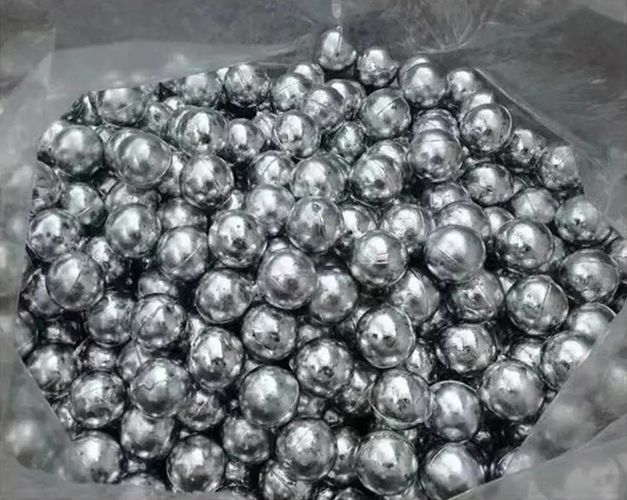
High purity zinc is supplied in granular form with excellent flowability.
Key features include:
- Adjustable particle size (from microns to millimeters)
- Uniform particle size distribution
- Free-flowing morphology suitable for automated processing
The granular form allows precise dosing, improved mixing efficiency, and better industrial handling compared to powder or bulk zinc.
Physical and Chemical Advantages
High purity zinc granules provide several performance benefits:
- High chemical reactivity due to reduced impurity interference
- Good electrical and thermal conductivity, improved by purity level
- Low melting point (419.5°C), suitable for metallurgical processing
- Good ductility after melting and processing
A thin natural oxide layer may form on the surface during storage, which can be minimized through inert gas protection.
Handling and Processing Benefits
- Excellent flowability for automated feeding systems
- Lower oxidation risk compared to fine zinc powder
- Balanced surface area for both stability and reactivity
- Suitable for industrial-scale and laboratory-scale applications
II. Applications of High Purity Zinc Granules
1. Advanced Metallurgy and Alloy Production
High purity zinc granules are widely used in the production of:
- Brass, bronze, and nickel silver alloys
- Zinc-based die-casting alloys (e.g., ZA series)
- Specialty corrosion-resistant alloys
High purity ensures improved mechanical strength, better corrosion resistance, and enhanced surface quality of final products.
In hydrometallurgy, zinc granules act as a strong reducing agent for:
- Recovery of precious metals such as gold and silver
- Metal displacement reactions in solution systems
They are also used in metallothermic reduction processes for certain rare metals.
2. Electronics and Advanced Materials
High purity zinc is an important raw material in modern electronics and optoelectronics.
High purity levels are essential to ensure stable electrical performance and defect-free thin films.
3. Energy Storage and Battery Technologies
High purity zinc is widely used in the development of next-generation energy systems, including:
- Zinc-air batteries
- Zinc-ion batteries
- Electrochemical energy storage research
Its high stability and electrochemical performance make it a key material for sustainable energy technologies.
4. Chemical Synthesis and Laboratory Use
In chemical applications, high purity zinc granules are used as:
- Reducing agents in organic synthesis (Reformatsky reaction, Clemmensen reduction)
- Analytical chemistry reagents
- Standard reference materials in laboratory testing
High purity ensures higher reaction selectivity and improved product yield.
5. Hot-Dip Galvanizing Applications
In high-performance corrosion protection systems, especially for marine or industrial environments, high purity zinc is used in hot-dip galvanizing.
Benefits include:
- More uniform coating formation
- Improved adhesion to steel substrates
- Enhanced long-term corrosion resistance
III. Storage and Handling Recommendations
To maintain material quality, the following practices are recommended:
- Store in sealed containers in a dry, cool environment
- Avoid exposure to moisture and humid air
- Use inert gas (nitrogen or argon) for long-term storage of high-purity grades
- Handle with clean, dry tools to prevent contamination
- Avoid contact with reactive or corrosive substances
Improper storage may lead to oxidation or formation of white corrosion products.
IV. Conclusion
High purity zinc granules (4N5–5N) are critical industrial materials designed for high-performance applications where purity, stability, and consistency are essential. Their excellent physical, chemical, and processing properties make them indispensable in advanced metallurgy, electronics manufacturing, energy storage systems, chemical synthesis, and precision coating technologies.
With increasing demand for high-performance materials in Europe and global markets, high purity zinc granules continue to play a key role in enabling innovation across multiple high-tech industries.
Whether used for zinc sputtering targets, specialty alloy production, or electrochemical applications, high purity zinc delivers reliable performance and consistent quality for demanding industrial environments.
For technical specifications, customized particle sizes, or bulk supply inquiries, please contact us for further information.
Frequently Asked Questions (FAQs)
Q1: What are zinc granules?
A: Zinc granules are small, free-flowing pieces of metallic zinc, typically produced in controlled particle sizes. They offer easier handling, accurate dosing, and better processing performance compared to zinc ingots or blocks.
Q2: How is granular zinc obtained?
A: Granular zinc is produced by melting high purity zinc and then forming it into controlled particle shapes through processes such as atomization, granulation, or mechanical cutting. The result is uniform particles with stable chemical and physical properties.
Q3: What are the uses of zinc granules?
A: Zinc granules are widely used in metallurgy, alloy production, chemical synthesis, electronics, battery research, and hot-dip galvanizing. They also serve as reducing agents in metal recovery processes and as raw materials for advanced materials like ZnO and Zn-based compounds.
Q4: What is the purity of zinc?
A: Industrial zinc purity typically ranges from 99.9% to 99.995%, while high purity zinc granules can reach 99.995% (4N5), 99.999% (5N), or higher, depending on application requirements.