


As the global electric vehicle (EV) and energy storage markets continue to expand, demand for high-performance lithium-ion battery materials is growing rapidly. Among the most important cathode technologies today, LMFP (Lithium Manganese Iron Phosphate) and NCM (Nickel Cobalt Manganese) are attracting significant industry attention.
When comparing LMFP vs NCM, it’s crucial to understand their distinct characteristics and implications for battery technology.
Both materials offer unique advantages in terms of energy density, safety, cost, and application scenarios. While NCM has long dominated high-energy-density EV batteries, LMFP is emerging as a promising alternative that combines improved performance with better thermal stability and lower raw material dependency.
What Is LFMP Cathode Material?
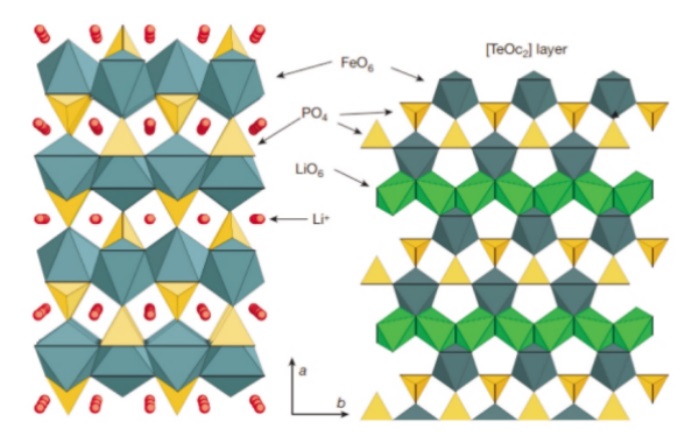
LFMP (Lithium Manganese Iron Phosphate) is an advanced phosphate-based cathode material developed from LFP chemistry. By introducing manganese into the crystal structure, LFMP achieves a higher operating voltage and improved energy density compared with traditional lithium iron phosphate materials.
As a next-generation phosphate cathode, LFMP is becoming increasingly attractive for applications requiring a balance between safety, cost efficiency, and electrochemical performance.
Key Advantages of LFMP Materials
Improved Energy Density
Compared with conventional phosphate materials, LFMP offers a higher voltage platform, allowing batteries to deliver greater energy density while maintaining strong thermal stability.
Excellent Safety Performance
LFMP retains the inherent safety advantages of phosphate-based cathodes. Its stable crystal structure reduces the risk of thermal runaway and improves battery reliability under demanding operating conditions.
Lower Dependence on Nickel and Cobalt
Unlike ternary cathode materials, LFMP significantly reduces or eliminates reliance on expensive nickel and cobalt resources, helping stabilize supply chains and reduce raw material costs.
Strong Potential for Energy Storage and EV Applications
LFMP is increasingly viewed as a suitable solution for:
- Mid-range electric vehicles
- Commercial EV platforms
- Stationary energy storage systems
- Cost-sensitive battery applications
Technical Challenges of LFMP
Despite its advantages, LFMP still faces several technical challenges during material development and large-scale production.
Conductivity Optimization
LFMP materials generally require advanced conductive enhancement technologies, including:
- Carbon coating
- Nano-scale particle engineering
- Surface modification
- Element doping
Manganese-Related Stability Issues
The introduction of manganese may lead to side reactions and manganese dissolution during cycling, potentially affecting long-term battery stability and capacity retention.
Manufacturing Process Control
Consistent LFMP powder quality requires precise synthesis conditions, calcination control, and particle morphology optimization.
What Is NCM Cathode Material?
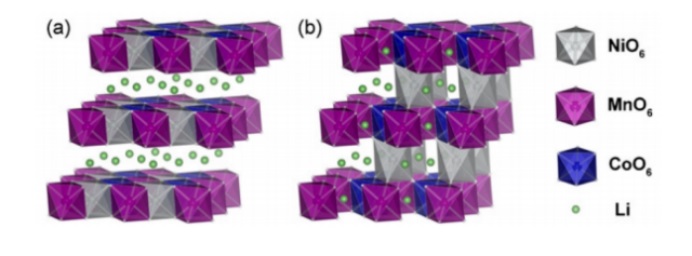
NCM (LiNixCoyMn1-x-yO₂) is a layered oxide cathode material widely used in high-energy-density lithium-ion batteries.
Depending on nickel content, common NCM types include:
- NCM523
- NCM622
- NCM811
High-nickel NCM materials have become a major development direction for premium electric vehicles due to their ability to deliver longer driving range and higher battery capacity.
Advantages of NCM Materials
High Energy Density
NCM cathodes provide significantly higher specific capacity compared with phosphate-based materials, making them ideal for long-range EV batteries.
Excellent Power Performance
NCM materials support:
- Fast charging
- High-rate discharge
- Strong acceleration performance
Better Low-Temperature Performance
Compared with phosphate chemistries, NCM batteries generally maintain better performance in cold environments.
Challenges of NCM Cathode Materials
Thermal Stability and Safety
As nickel content increases, material stability decreases. High-nickel NCM materials require advanced battery management and thermal control systems to ensure safe operation.
Higher Material Cost
Nickel and cobalt remain relatively expensive and strategically sensitive raw materials, increasing production costs and supply chain risks.
Moisture Sensitivity
High-nickel NCM materials are highly sensitive to moisture and CO₂ exposure, creating stricter requirements for manufacturing and storage environments.
LMFP vs NCM: Material Comparison
| Property | LFMP | NCM |
|---|---|---|
| Safety | Excellent | Moderate |
| Energy Density | High | Very High |
| Thermal Stability | Excellent | Moderate |
| Raw Material Cost | Lower | Higher |
| Nickel/Cobalt Dependency | Low | High |
| Low-Temperature Performance | Moderate | Good |
| Sustainability | High | Moderate |
| Main Applications | ESS, Commercial EVs | Premium EVs |
Future Outlook for Cathode Materials
As the lithium-ion battery industry evolves, LFMP is gaining attention as a promising next-generation cathode material that offers a strong balance between safety, cost, and performance.
Meanwhile, NCM will continue to play a critical role in high-energy-density applications where long driving range remains a priority.
With ongoing advancements in:
- Material engineering
- Surface coating technology
- Doping optimization
- Manufacturing processes
both LFMP and NCM cathode materials are expected to remain key technologies in the future battery market.
Conclusion
LFMP and NCM cathode materials represent two important technological directions in the lithium-ion battery industry.
LFMP offers excellent safety, improved sustainability, and lower raw material dependency, making it increasingly attractive for next-generation EV and energy storage applications. NCM continues to lead in energy density and high-performance battery systems despite higher costs and stricter safety requirements.
As global demand for advanced battery materials continues to grow, both chemistries will play essential roles in shaping the future of electric mobility and energy storage.
Frequently Asked Questions (FAQs)
Q1: What does LMFP mean?
A: LMFP stands for Lithium Manganese Iron Phosphate, an advanced lithium-ion battery cathode material developed from LFP chemistry by adding manganese into the crystal structure. Compared with traditional LFP materials, LMFP offers higher operating voltage and improved energy density while maintaining excellent thermal stability and safety performance. It is considered a promising next-generation cathode material for electric vehicles and energy storage systems.
Q2: Which is better, LFP or NMC?
A: LFP and NMC batteries each have different advantages depending on the application. LFP batteries are known for better safety, longer cycle life, lower cost, and improved thermal stability, making them ideal for energy storage systems and cost-sensitive EVs. NMC batteries provide higher energy density and better low-temperature performance, which makes them more suitable for premium electric vehicles that require longer driving range and stronger power output.
Q3: What does NCM mean?
A: NCM stands for Nickel Cobalt Manganese, a type of layered lithium-ion battery cathode material composed of nickel, cobalt, and manganese oxides. NCM materials are widely used in high-energy-density batteries for electric vehicles due to their excellent capacity and power performance. Common types include NCM523, NCM622, and NCM811, with higher nickel content generally providing greater energy density.