


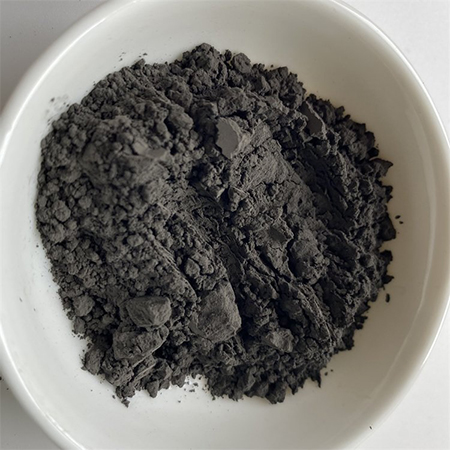
Cerium silicide (CeSi₂), also known as cerium disilicide, is a high-performance rare earth silicide composed of cerium and silicon. As an advanced intermetallic compound, this CeSi₂ material is known for its high melting point, excellent thermal conductivity, good electrical conductivity, and strong chemical stability. Because it combines the durability of ceramics with the conductivity of metals, cerium silicide has become an increasingly important material in modern engineering and industrial technologies.
Today, cerium silicide applications span multiple fields, including high-temperature structural materials, catalyst materials, semiconductor devices, and optical components. Its unique combination of mechanical, thermal, and electronic properties makes it suitable for demanding environments where conventional materials may fail.
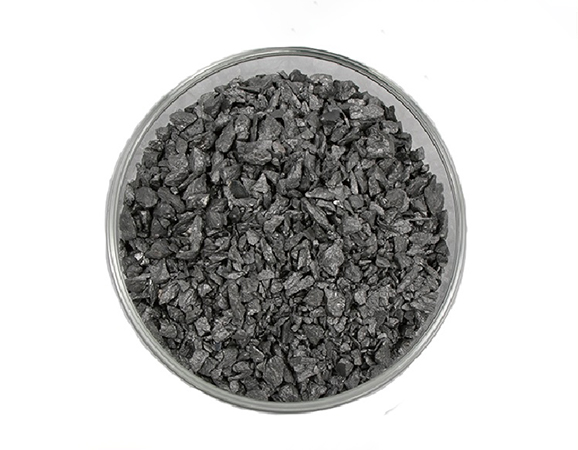
Main Applications Areas
Applications in Materials Science
One of the most important uses of cerium silicide is in high-temperature materials and structural engineering. Thanks to its excellent heat resistance and mechanical strength, CeSi₂ material can maintain stability even under extreme temperatures and harsh operating conditions. This makes it a reliable choice for high-temperature alloys, ceramic systems, and protective coatings designed for long-term performance.
In advanced manufacturing, cerium silicide is often incorporated into ceramic matrix composites and electronic packaging materials to improve durability, corrosion resistance, and thermal management. These properties are especially valuable in industries such as aerospace, automotive, and energy production, where components must withstand both thermal stress and mechanical load.
Applications in Catalysis
Cerium silicide also plays a growing role as a catalyst material. Its relatively large surface area and abundant active sites allow it to function effectively either as a catalyst itself or as a catalyst support. Because of these characteristics, cerium silicide catalysts are widely studied for environmental and industrial processes.
For example, cerium silicide can be used in automotive exhaust purification and industrial waste gas treatment systems to help reduce harmful emissions. In chemical manufacturing, it supports reactions such as hydrogenation, oxidation, and other organic synthesis processes, improving efficiency and selectivity. These advantages make rare earth silicide catalysts attractive for cleaner and more sustainable production technologies.
Applications in Electronics and Semiconductor Devices
Another promising area for cerium silicide applications is electronics and semiconductor technology. Due to its semiconductor-like behavior and good electrical conductivity, CeSi₂ material can be fabricated into thin films, coatings, or nanostructures compatible with modern microelectronics.
These materials are being explored for use in field emission displays, thin-film transistors, and other electronic devices that require stable and efficient charge transport. In addition, cerium silicide shows potential in electrochemical and energy storage systems, including lithium-ion batteries, where it may enhance conductivity, stability, and overall battery performance. Such properties make it a valuable candidate for next-generation electronic and energy solutions.
Applications in Optical Technologies
Beyond structural and electronic uses, cerium silicide also demonstrates useful optical properties. With its relatively high refractive index and good transparency, this material can be applied in optical lenses, windows, and fiber-related components. These characteristics make it suitable for lasers, optical communication systems, and optoelectronic devices.
As photonics and optical technologies continue to evolve, materials like cerium silicide provide new opportunities to improve precision, efficiency, and reliability in advanced optical equipment.
Key Advantages of Cerium Silicide
What makes cerium silicide particularly attractive compared with traditional metals or ceramics is its balanced combination of properties. It offers excellent thermal conductivity for heat management, strong mechanical stability for structural reliability, and good electrical performance for electronic integration. At the same time, its chemical resistance allows it to operate in corrosive or oxidative environments.
This combination means that a single CeSi₂ material can sometimes replace multiple conventional materials, simplifying design and improving overall system efficiency. For engineers and researchers, such multifunctionality provides greater flexibility in developing compact, high-performance devices.
Conclusion
Overall, cerium silicide is a versatile rare earth silicide with broad industrial value. From high-temperature materials and catalyst systems to semiconductor devices and optical technologies, cerium silicide applications continue to expand across modern science and engineering. Its balanced combination of thermal stability, mechanical strength, and electrical performance ensures that CeSi₂ material will remain an important solution for future advanced materials development.