


What is Zinc Selenide?
Zinc selenide (ZnSe) is a II-VI compound semiconductor material with a face-centered cubic crystal structure and excellent physical and chemical properties. It has a density of 5.42 g/cm³ and offers a broad transmission range from 0.5 µm to 22 µm. ZnSe is insoluble in water but dissolves in inorganic acids like hydrochloric acid. When heated in air to a certain temperature, it oxidizes into selenium dioxide and zinc oxide. Its bandgap is approximately 2.7 eV.
Among compound semiconductors, it is one of the few capable of emitting visible light from yellow to blue. With a direct bandgap structure, it is well-suited for high-efficiency light-emitting diodes. In the 3 – 12 µm infrared band, ZnSe offers intrinsic transmittance of over 70%, making it a critical material for infrared optics.

Properties of Zinc Selenide
The crystal structure of ZnSe determines its unique optical and electrical characteristics.
Optical Properties
Refractive Index: The refractive index of ZnSe ranges between 2.4 and 2.6, which is particularly advantageous for manufacturing IR optical components. A high refractive index enables compact optical designs with higher efficiency.
Transmittance: ZnSe shows high transmission across the 0.5 µm to 22 µm range, with over 70% transmittance in the mid-infrared range (3–12 µm), making it an ideal material for windows and lenses in mid-IR laser systems.
Electrical Properties
Bandgap Width: At approximately 2.7 eV, ZnSe is a wide-bandgap semiconductor, allowing it to maintain semiconductor properties over a broad temperature range—especially important for electronic and optoelectronic devices operating in varying environments.
Carrier Concentration: The carrier (electron and hole) concentration in ZnSe can be tuned via doping type and level. This flexibility allows for optimized conductivity and photoresponse in specific applications like photodetectors and photovoltaic devices.
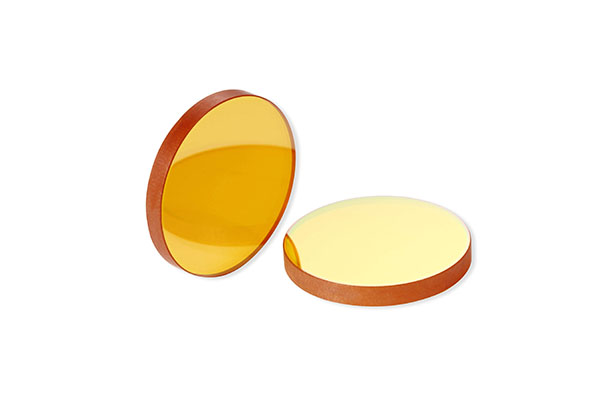
What's the applications of Zinc Selenide?
In the infrared optics field, ZnSe is used to manufacture IR lenses, windows, and filters. In semiconductor devices, it is suitable for high-speed, high-frequency electronics such as diodes, transistors, and integrated circuits. ZnSe is also applied in solar cells, lasers, and optoelectronic integrated circuits.
How Does ZnSe Compare with ZnS?
Optical Properties:
ZnSe has a wider optical bandgap and generally higher transmittance in the visible and near-infrared ranges compared to zinc sulfide (ZnS). Thus, ZnSe is more commonly used in optical lenses, IR windows, and other infrared optical devices. ZnS has relatively lower transmittance.
Electrical Properties:
ZnSe, as a semiconductor, offers higher electron mobility and lower resistivity than ZnS, which limits ZnS’s use in certain applications.
Thermal Stability:
ZnSe exhibits better high-temperature stability, maintaining its structure and properties under elevated temperatures. In contrast, ZnS tends to decompose under high heat, reducing its performance.
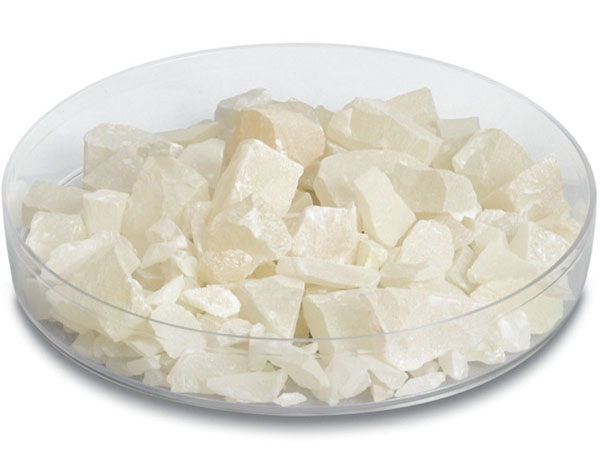
How is Zinc Selenide Produced?
Chemical Vapor Deposition (CVD):
Under controlled conditions, hydrogen selenide reacts with zinc chloride gas to form ZnSe deposits.
Solution Method:
Zinc salts react with selenides in a suitable solvent, then the solution is heated and concentrated. ZnSe precipitates are filtered, washed, and collected.
Is Zinc Selenide a Hazardous Chemical?
Under certain conditions, ZnSe can release toxic selenium compounds, which may be harmful to human health and the environment. Therefore, zinc selenide is classified as a hazardous chemical and must be handled and stored according to relevant safety regulations.
Safety Information for Zinc Selenide
UN Number: UN 3283 (Toxic solid, inorganic, n.o.s.)
WGK (Germany): 3
TSCA (US): Yes
Hazard Class: 4.3 (Substances which, in contact with water, emit flammable gases)
Packaging Group: III
Precautions When Using Zinc Selenide
Storage:
Store ZnSe in a dry, well-ventilated area, away from moisture and direct contact with air or water.
Handling:
Always wear personal protective equipment (PPE) and operate in a controlled environment to prevent the release of toxic gases.
Disposal:
ZnSe waste must be properly treated to avoid environmental pollution or health hazards.
Among infrared optical materials, ZnSe may not be the most glamorous, but it is known for its reliable performance and well-balanced properties, earning it a central position in high-end optical systems. As laser technology, infrared detection, and precision instrumentation continue to advance, the brilliance of ZnSe—this “yellow diamond” of infrared optics—will shine even brighter, supporting the development of next-generation technologies.