Silicon Dioxide: From Sand to Chips — The Unsung Material Shaping Modern Life

View Our Products

Contact Us Now !

Silicon dioxide (SiO₂) is a compound composed of two elements: silicon (Si) and oxygen (O). You may not be familiar with the name, but it is everywhere in our daily lives. Let’s take a closer look. It is not only one of the most abundant minerals in nature, but also an indispensable material in modern technology.

Silicon dioxide - VIMATERIAL

Silicon oxide is a colorless, odorless, and non-toxic compound with excellent chemical and thermal stability. It is one of the most common acidic oxides on Earth and plays an important role in industries such as manufacturing, food, medicine, and electronics.

Basic Properties of Silicon Dioxide

Physical Properties

  • High melting point and boiling point: SiO2 has a melting point of 1713 °C and a boiling point of 2230 °C, giving it outstanding thermal stability.
  • High hardness: It is very hard and is a major component of natural quartz.
  • Moderate density: With a density of about 2.2 g/cm³, it has a stable structure while remaining relatively lightweight, which is beneficial for processing and applications.
  • High corrosion resistance: SiO2 is resistant to most acids, bases, and other chemical substances.
  • High transparency: Its excellent light transparency makes it widely used in optical devices.
  • Excellent insulating properties: It is a superior electrical insulator and is widely used in electronic components.
  • Stable refractive index: With a refractive index of about 1.6, silicon oxide has stable optical properties, making it suitable for optical glass and optical fibers.

Structural Characteristics

Silicon dioxide can exist in several physical forms, including crystalline, amorphous, and nanoparticle states. The most typical crystalline form is quartz, while amorphous silicon oxide includes materials such as glass and ceramics.

Crystalline structure: In quartz, silicon and oxygen atoms alternate to form a three-dimensional network. Each silicon atom is surrounded by four oxygen atoms, and each oxygen atom is shared by two silicon atoms. This structure gives quartz its exceptional stability and hardness.

Silicon dioxide structure - VIMATERIAL

Amorphous structure: Amorphous silicon dioxide consists of randomly arranged silicon and oxygen atoms, so it lacks a well-defined crystal structure. As a result, it generally has lower density and melting point, making it easier to process at high temperatures.

Is Silicon Dioxide Soluble in Water?

Silicon oxide may appear mild, but it has a “dual personality.” It is insoluble in water and most acids, yet it can be dissolved by hydrofluoric acid. It resists high temperatures but yields to strong alkalis. These unique chemical properties make it a highly versatile industrial material.

At high temperatures, silicon dioxide reacts with alkali metal oxides to form silicates, a reaction widely used in glass and ceramic manufacturing. Interestingly, while concentrated sulfuric and nitric acids have little effect on it, hot concentrated phosphoric acid can corrode silicon dioxide. Even more surprising, molten borates can dissolve silicon dioxide—an effect cleverly utilized in ceramic firing processes.

Why Is Silicon Dioxide Used in Food?

Silicon oxide, a major component of glass, is also used in the food industry as a food additive. You might wonder: can it really be eaten? The answer lies in its specific functions.

First, silicon dioxide is an excellent anti-caking agent, preventing powdered or granular foods from clumping during storage and transportation.

Second, it improves the flowability of powders and granules, making food processing and production more efficient.

In addition, appropriate amounts of silicon dioxide can improve texture, making food smoother and more uniform.

It also has mild moisture-absorbing properties, helping foods maintain suitable humidity and extending shelf life—almost like providing a “constant-humidity environment” that preserves flavor and quality.

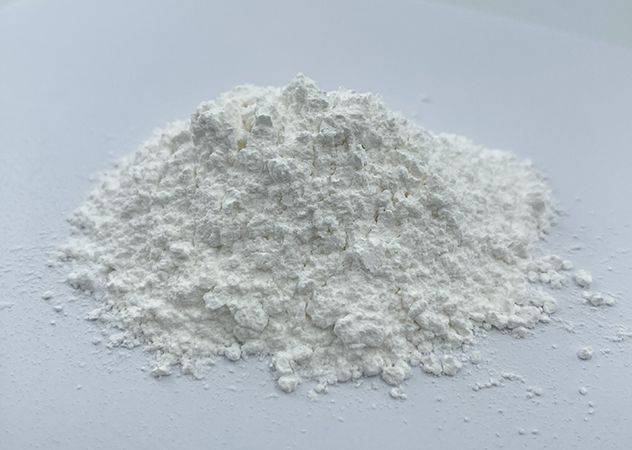
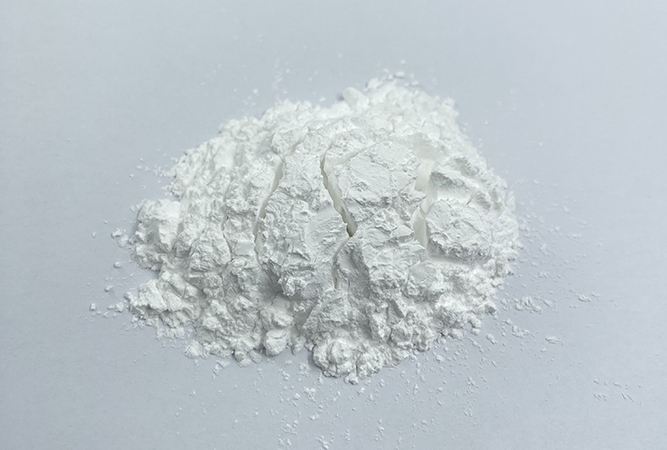
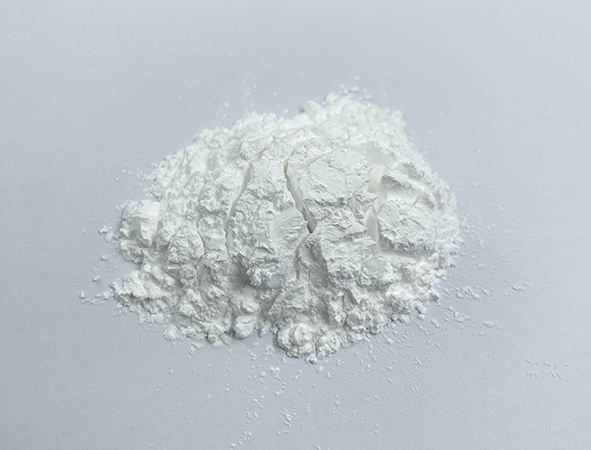
Silicon dioxide powder

Of course, despite its wide use, silicon oxide must comply with relevant regulations and standards. Only when used within safe limits can food quality and safety be ensured. While enjoying food, it is always wise to pay attention to ingredients and practice healthy, informed eating.

Is Silicon Dioxide Toxic?

Although silicon dioxide itself is non-toxic, it is not entirely harmless in all situations. The following scenarios deserve attention:

Industrial dust exposure: Long-term inhalation of silicon dioxide dust can cause silicosis, a serious occupational disease common in mining, quarrying, and cement industries without proper protection.

Food additive limits: Excessive intake may cause gastrointestinal discomfort; extra caution is required in infant foods.

Laboratory use: Glassware should not be used to store hydrofluoric acid, as it corrodes silicon dioxide.

Storage of strong alkalis: Strong bases (such as NaOH) react with SiO₂ in glass to form sticky silicates, which may cause ground-glass stoppers to seize.

Fibrous silicon dioxide: When silicon dioxide is made into fine fibers (such as fiberglass or asbestos), it can easily pierce the skin, causing itching and pain. Long-term exposure may damage blood vessels and joints, so protective measures are essential.

Silicon dioxide crystalline - VIMATERIAL

Carcinogenicity Depends on Form

Crystalline silica dust is carcinogenic: Long-term inhalation can cause silicosis and significantly increase the risk of lung cancer. It is classified as a Group 1 carcinogen and is common in mining and construction.

Amorphous silicon dioxide is relatively safe: Food-grade silicon dioxide (E551), when used within regulated limits, is harmless. Everyday products such as toothpaste pose no cancer risk.

What Is Silicon Dioxide Used For?

Glass manufacturing: A primary ingredient in glass, used for windows, mirrors, bottles, and more.

Ceramics: Added to ceramics and refractory materials to enhance thermal stability and wear resistance.

Semiconductors: A superior insulating material used in integrated circuits and electronic components.

Silicon dioxide in semiconductor - VIMATERIAL

Optical devices: Its transparency and stability make it ideal for lenses and optical fibers.

Food additive: Used as an anti-caking agent and moisture absorber in foods, pharmaceuticals, and seasonings.

Cosmetics and daily products: Found in toothpaste as an abrasive and in skincare products as an absorbent.

Life sciences: Silicon dioxide nanoparticles are used in drug delivery systems and biosensors for detecting biomolecules and disease markers.

Environmental protection: Acts as an adsorbent to remove heavy metals, organic pollutants, and harmful gases from water and air.

Looking Ahead

As technology advances, the application boundaries of silicon dioxide continue to expand. Scientists are developing silica-based quantum dots for next-generation display technologies and exploring their potential in quantum computing. In the energy sector, silicon-dioxide-based materials are considered promising candidates for next-generation high-performance batteries.

From ancient glassmaking to cutting-edge quantum technology, silicon dioxide has always accompanied the progress of human civilization. This seemingly ordinary compound will continue to shine on the stage of technological innovation. The next time you see a grain of sand or a microchip, take a moment to reflect: this tiny bit of silicon dioxide carries humanity’s boundless imagination for the future.

Contact Us

Contact Us