Lanthanum Chloride: The Cinderella of the Rare Earth Industry

View Our Products

Contact Us Now !

I. What Is Lanthanum Chloride?

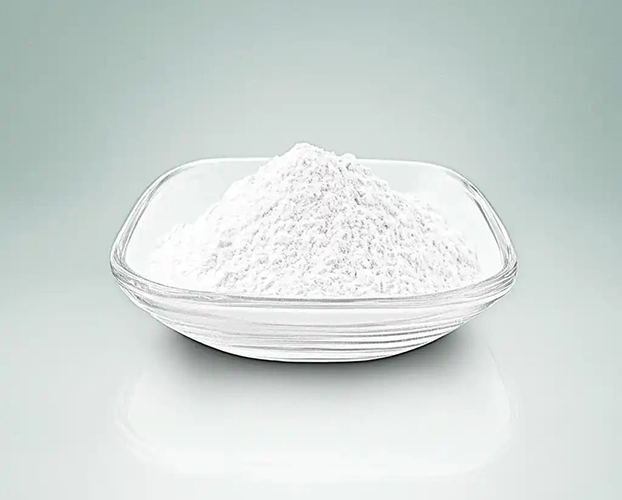
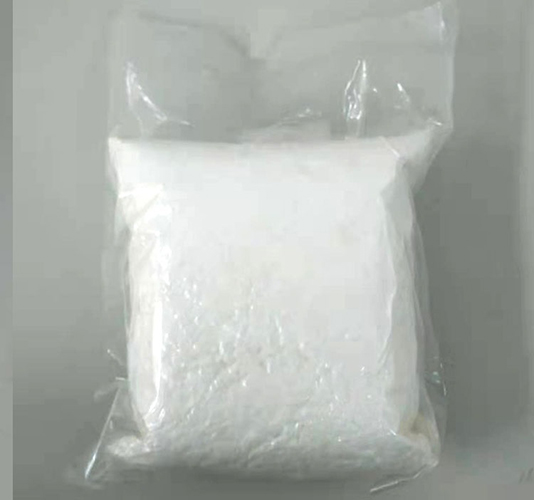
Lanthanum chloride is an inorganic compound with the molecular formula LaCl₃, belonging to the rare earth chloride family. It commonly exists in both anhydrous and hydrated forms (such as hexahydrate and heptahydrate), appearing as a white granular solid with high chemical stability. Industrial-grade products can achieve a purity of up to 99.99%. As an important rare earth raw material, lanthanum chloride is widely used in chemical engineering, materials science, optics, and other industries, making it an indispensable foundational material in modern industry.

Lanthanum chloride is highly hygroscopic and readily soluble in water. It reacts with alkalis to form lanthanum hydroxide. At high temperatures, it can be reduced by hydrogen to produce metallic lanthanum. In addition, it exhibits reducing properties and strong chemical reactivity, allowing it to participate in a variety of organic and inorganic reactions.

Lanthanum chloride powder - VIMATERIAL

II. Basic Properties

LaCl₃ is a rare earth metal chloride characterized by a high melting point (approximately 860°C), excellent water solubility, and strong hygroscopicity. Its crystal structure belongs to the hexagonal crystal system and exhibits characteristic fluorescence under ultraviolet excitation. As a representative lanthanide compound, lanthanum chloride demonstrates unique properties in catalysis, optics, and materials science, particularly when doped with other elements to tune its electronic structure and reactivity.

  • High Purity: Purity can exceed 99.9%, with extremely low impurity levels (such as Fe and Ca below 10 ppm), making it suitable for precision chemical synthesis and high-end material manufacturing.
  • Strong Hygroscopicity: It readily absorbs moisture from the air to form hydrates (LaCl₃·nH₂O) and therefore must be stored in a dry inert-gas environment.
  • Solubility: Easily soluble in water, ethanol, and other polar solvents. Its aqueous solution is weakly acidic (pH ≈ 5) and can form double salts with alkali metal chlorides, such as K₃LaCl₆.
  • Crystal Structure: Belongs to the hexagonal crystal system with space group P6₃/m, lattice parameters a = 7.48 Å and c = 4.36 Å, and a density of 3.84 g/cm³.
  • Thermal Stability: Shows no significant decomposition below 800°C and can participate in chlorination reactions at elevated temperatures, such as rare earth metal purification.
  • Optical Properties: UV-Vis spectra show strong absorption peaks in the 200–300 nm range, making it useful as a matrix material for fluorescent materials.

III. Structure and Unique Characteristics

Structure of Lanthanum Chloride

The molecular structure of LaCl3 consists of one lanthanum atom and three chlorine atoms. The lanthanum ion in the +3 oxidation state (La³⁺) bonds ionically with chloride ions (Cl⁻). Its crystal structure adopts a hexagonal close-packed arrangement, where each lanthanum ion is coordinated by 12 surrounding chloride ions, while each chloride ion exhibits octahedral coordination.

Lanthanum chloride

Unique Characteristics of Lanthanum Chloride

The unique properties of lanthanum chloride mainly arise from the distinctive 4f⁰ electronic configuration of the La³⁺ ion. Since the 4f orbital is completely empty and no f electrons participate in bonding, La³⁺ is resistant to oxidation-reduction reactions and therefore possesses high chemical stability. Meanwhile, the empty f orbitals can accept electrons from ligands to form unstable coordination intermediates, giving lanthanum chloride unique catalytic activity in reactions such as polymerization and hydrogenation.

Furthermore, the 4f⁰ configuration makes La³⁺ relatively inert to ultraviolet-visible light excitation, as no f-f electronic transitions occur. This makes lanthanum chloride an ideal host material for ion doping, capable of efficiently transferring energy to doped ions, such as rare earth luminescent centers, without causing fluorescence quenching.

IV. Applications of Lanthanum Chloride

1. Electronics Industry

Thanks to its excellent electrical conductivity and stability, lanthanum chloride is widely used in optical fiber communications, semiconductor materials, and display technologies. It helps improve the performance and stability of electronic devices, contributing to advances in electronic technology.

2. Catalysis

It plays an important role in catalytic cracking processes within the petrochemical industry. It enhances petroleum conversion efficiency and improves fuel quality while extending catalyst lifespan. In addition, lanthanum chloride is often used as a catalyst in specialized chemical reactions to improve reaction efficiency.

3. New Energy and Environmental Protection

It is an important component in the production of solid electrolytes for next-generation batteries, particularly lithium lanthanum zirconium oxide (LLZO). In addition, lanthanum chloride readily forms flocculants in neutral water systems and has been applied in water treatment to effectively reduce phosphorus-containing pollutants iLasers and Optical Devices - VIMATERIALn lakes, supporting environmental protection efforts.

4. Lasers and Optical Devices

As an optical gain material, LaCl3 can be used to produce lanthanum glass with specific optical properties. It is widely applied in the manufacturing of laser crystals and other optical devices. Its exceptionally high optical transmittance gives it an important role in the optics industry, promoting the development of laser technologies and advanced optical equipment.

5. Biomedical and Agricultural Applications

In the biomedical field, surface-modified LaCl₃ nanoparticles can be used in MRI contrast agents and tumor-targeted imaging, improving the accuracy of medical diagnostics. In agriculture, trace amounts of lanthanum chloride solutions can promote seed germination, enhance crop resistance to environmental stress, and increase agricultural yields to a certain extent, providing support for modern agricultural development.

V. Safety Precautions for Lanthanum Chloride

 – Toxicity: The oral LD50 in rats is greater than 2000 mg/kg, classifying it as a low-toxicity substance, although dust may irritate the respiratory tract.

 – Storage Conditions: Should be sealed in double-layer aluminum foil bags under argon protection and stored in a cool, dry place with humidity below 10% and temperature below 25°C.

During use, proper safety procedures must be followed. Because lanthanum chloride has certain irritating and corrosive properties, personnel handling it should wear protective goggles, gloves, and other protective equipment to avoid direct contact with skin and eyes. Storage and transportation should also comply with relevant safety regulations to ensure safe handling.

VI. Technical Advantages and Industry Positioning

Compared with traditional rare earth raw materials, lanthanum chloride offers superior purity (up to 99.99%), minimizing the impact of impurities on product performance. For example, in optical coatings, high purity can reduce light scattering losses. Its granular form also facilitates automated feeding processes, improving production efficiency.

In addition, the chemical stability of lanthanum chloride enables it to maintain activity even under high-temperature or strongly acidic/alkaline conditions, thereby extending the service life of catalysts and functional materials. These characteristics have made lanthanum chloride a benchmark product among industrial-grade rare earth raw materials.

VII. Conclusion

As an important yet fundamental rare earth compound, lanthanum chloride plays a vital role in electronics, catalysis, environmental protection, and many other fields due to its excellent chemical stability, optical properties, and catalytic performance. With continuous technological advancement, the applications of lanthanum chloride are expected to expand further, bringing new technological breakthroughs and industrial upgrades across various industries.

Frequently Asked Questions (FAQs)

1. Is lanthanum chloride dangerous?

LaCl3 is considered a low-toxicity compound, but it may irritate the skin, eyes, and respiratory system if handled improperly. Protective equipment such as gloves and goggles is recommended during use. It should be stored in a cool, dry environment away from moisture.

Lanthanum chloride is typically a white crystalline or granular solid. High-purity lanthanum chloride usually appears bright white.

LaCl₃ is an inorganic rare earth compound known for its high stability, water solubility, and hygroscopic properties. It is widely used in chemical, optical, and materials industries.

Lanthanum chloride is used in electronics, catalysts, battery materials, water treatment, optical devices, and biomedical applications. It is valued for its catalytic performance, optical properties, and chemical stability.

Contact Us

Contact Us