


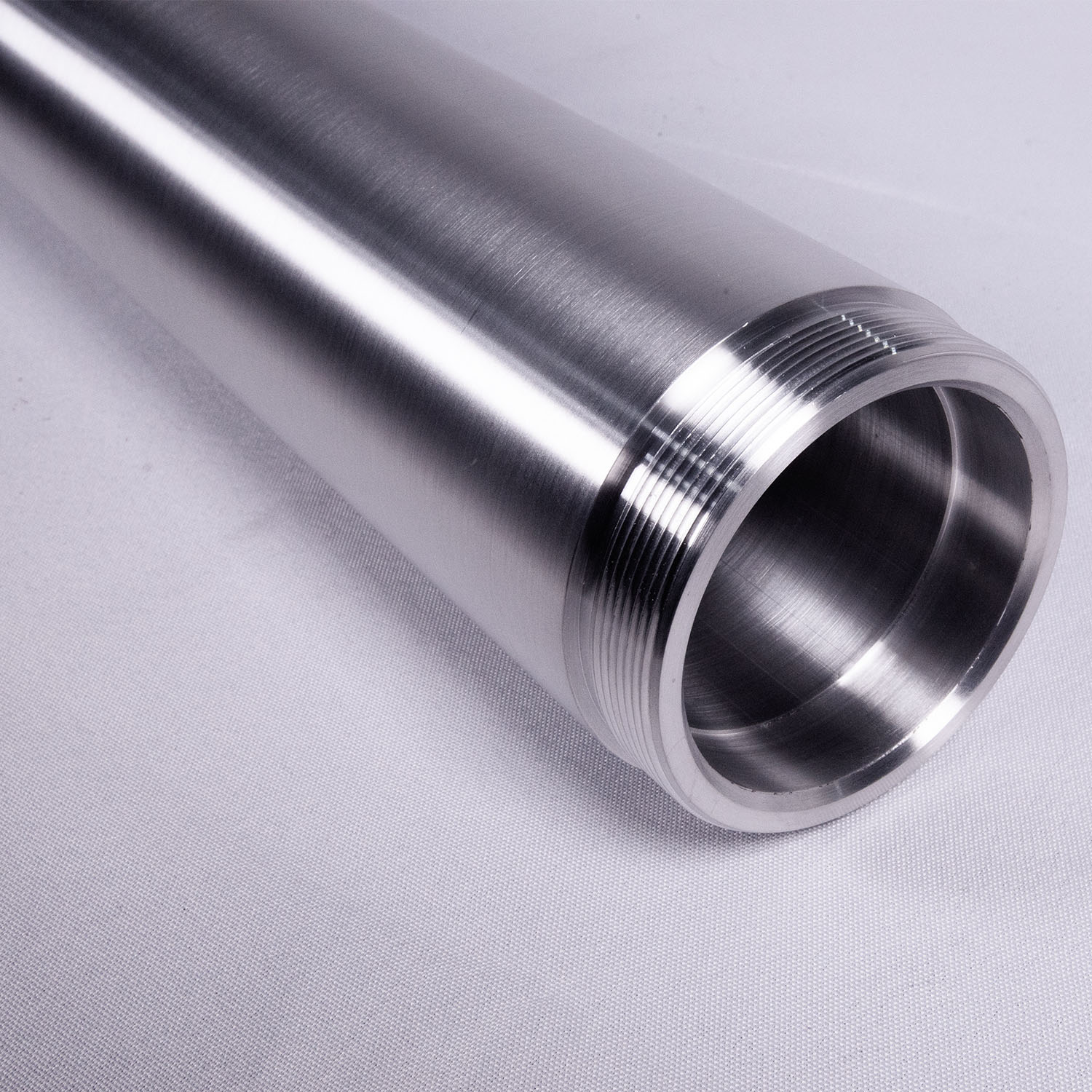
How to make sputtering target?
Sputtering targets are materials used for thin film deposition. Sputtering technology is used to sputter material atoms or molecules from solid targets and then form

Sputtering targets are materials used for thin film deposition. Sputtering technology is used to sputter material atoms or molecules from solid targets and then form
In the world of advanced materials, few substances combine extreme hardness, thermal stability, and electrical functionality as effectively as high-purity titanium carbide. Known in the industry as high purity titanium carbide, this ceramic material—typically with
Titanium carbide (TiC) is one of the most important transition metal carbides used in modern high-temperature and wear-resistant applications. With a melting point of approximately 3,100 °C, extremely high hardness (around 9–9.5 on the Mohs
In the global race toward smaller process nodes, higher computing power, artificial intelligence acceleration, and advanced connectivity, one category of materials is becoming increasingly strategic: rare earth materials. Though often invisible to end users, rare
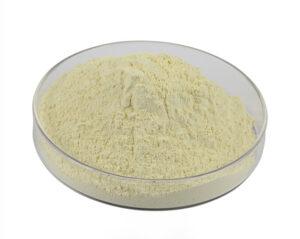
Nano cerium oxide is an important member of rare-earth compounds. This light yellow to pale-yellow powder has a high density of 7.13 g/cm³ and an impressive melting point of 2397°C. Although it is insoluble in
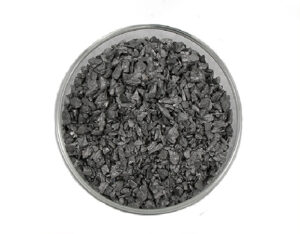
Cerium silicide (CeSi₂), also known as cerium disilicide, is a high-performance rare earth silicide composed of cerium and silicon. As an advanced intermetallic compound, this CeSi₂ material is known for its high melting point, excellent
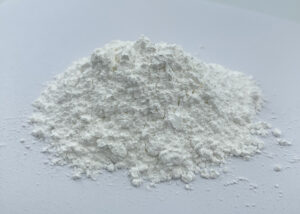
Boron nitride (BN) is a fascinating advanced ceramic known for its unique combination of thermal, mechanical, and electrical properties. Thanks to its multiple crystal forms, BN has found widespread applications in high-temperature lubrication, electronics, thermal
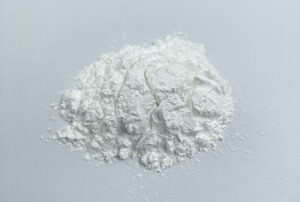
Nano niobium pentoxide (Nb₂O₅) is a high-performance inorganic material widely used in advanced ceramics, electronics, catalysis, optics, and next-generation energy storage technologies. Thanks to its excellent dielectric properties, thermal stability, and electrochemical performance, niobium pentoxide
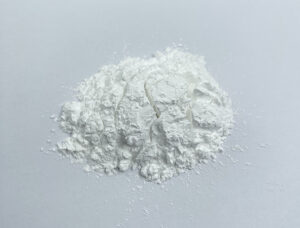
Niobium oxide is a high-performance material known for its outstanding properties. Thanks to its unique chemical and physical characteristics, it plays an essential role in a wide range of advanced technologies. This article offers a
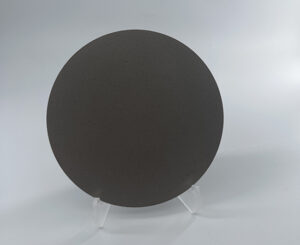
Niobium pentoxide targets are high-purity ceramic materials used in physical vapor deposition (PVD) processes. With a typical purity of 99.99%, they serve as key source materials for fabricating functional thin films in optical coatings, semiconductor
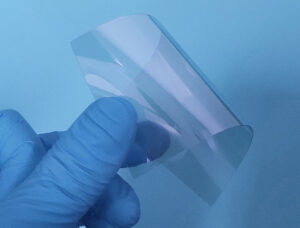
A seemingly ordinary transparent film can awaken the entire digital world with just a light touch of your fingertip. It is the magician hidden behind modern technology — the ITO film. ITO film is a

When indium-based material is mentioned, many people first think of its most well-known application: indium tin oxide (ITO) transparent conductive films. This invisible coating is the very foundation that enables our smartphones, tablets, and touch-screen
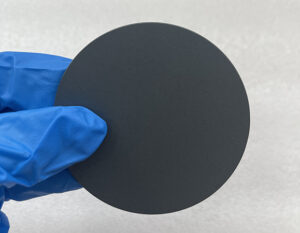
Indium tin oxide (ITO) targets, as a key class of transparent conductive oxide materials, play a central role in many modern high-tech industries. Combining high optical transparency with excellent electrical conductivity, they are the essential