


Sputtering targets, as a core technology in physical vapor deposition (PVD), are widely used in semiconductors, photovoltaics, display panels, and other fields. However, the short lifetime of targets and the challenge of balancing coating performance with durability have become major bottlenecks for improving production efficiency and controlling costs. This article explores comprehensive solutions for extending target lifetime and optimizing performance, focusing on three key aspects: material consumption mechanisms, influencing factors, and enhancement strategies.
I. Definition of Target Lifetime and Mechanisms of Material Loss
1. Definition of Target Lifetime
The lifetime of a sputtering target refers to the period from the start of use until the target can no longer maintain the required film quality. The core criterion is whether the deposited film still meets process specifications—not simply operating time or number of runs. In practice, several key indicators are used to evaluate target lifetime:
- Thickness Reduction: Changes in the target’s initial versus remaining thickness directly reflect its consumption level.
- Weight Loss: Measuring weight reduction caused by sputtering provides an indirect assessment of consumption.
- Sputtering Efficiency: If the rate of atom removal declines and can no longer support the required deposition rate, the target is likely approaching end-of-life.
- Film Uniformity: As the target becomes depleted, issues such as thickness non-uniformity or compositional deviation often emerge.
Target lifetime is also influenced by material type (e.g., metals generally last longer than ceramics), process conditions (power, pressure, gas composition), and equipment maintenance. For example, real-time monitoring of target thickness or surface temperature enables dynamic estimation of remaining lifetime.
2. Mechanisms of Target Consumption
During magnetron sputtering, the target surface undergoes bombardment by high-energy ions and experiences significant heating and thermal expansion. These effects accelerate material loss.
A. Physical Consumption
Atomic Migration and Sputtering Rate: High-energy ions strike the target surface, knocking out atoms that then deposit onto the substrate. This process gradually erodes the target. The sputtering rate—determined by atomic density and ion energy—directly affects consumption speed.
Surface Deformation and Cracking: Extended sputtering induces surface stress and deformation. Over time, cracks or fractures may form, especially in high-power sputtering or under uneven cooling conditions.

B. Chemical Consumption
Reactions in Reactive Sputtering: In reactive sputtering, gases such as O₂ or N₂ react with the target surface to form oxides or nitrides. These reactions consume target material and may alter surface properties, affecting its usable lifetime.
Formation of Passivation Layers: Chemical reactions can create a passivation layer that protects the target temporarily. However, in some cases, uneven chemical reactions lead to localized consumption—known as “sputtering shadow zones”—which accelerate wear.
II. Factors Affecting Target Lifetime
A target’s usable lifetime depends on multiple elements:
1. Material Factors
Purity and Grain Structure: High-purity targets reduce impurity-induced localized erosion. For example, 99.99% aluminum targets exhibit more stable performance than lower-purity ones. Fine, uniform grains improve mechanical strength and thermal stability, lowering the risk of cracking.
Density: High-density targets resist plasma bombardment longer. For instance, high-density ITO targets can last over 30% longer than low-density ones because stronger atomic bonding improves wear resistance.
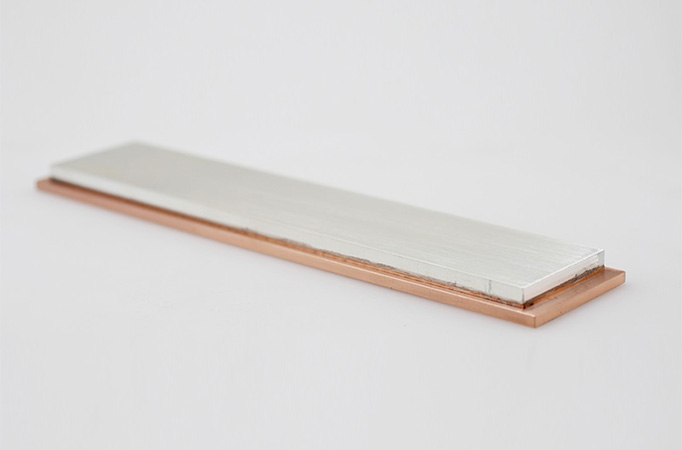
Material Type: Metals such as Al or Cu offer high sputtering efficiency and long lifetimes. Ceramic targets, being brittle, generally have shorter lifespans and are more prone to cracking.
2. Process Parameters
Working Pressure and Gas Composition: Pressure influences plasma density and sputtering rate. Excessively high pressure accelerates target erosion, while too low pressure may cause poor film uniformity. Gas species (Ar, O₂, N₂) and mixing ratios directly affect chemical reactions on the surface.
Sputtering Power and Target Current: Higher power increases deposition rate but also raises thermal and mechanical stress, accelerating target wear. Proper current control balances efficiency and longevity.
Target–Substrate Distance and Angle: Optimizing these geometries affects particle arrival rates and film uniformity, reducing unnecessary target consumption.
3. Operating Environment
Vacuum Level and Temperature: High vacuum reduces gas collisions and improves efficiency, though it requires more complex equipment. Elevated temperatures cause thermal deformation, impacting film quality and target lifetime.
Maintenance and Cleanliness: Regular chamber cleaning prevents contamination and equipment issues, keeping the target operating in optimal conditions.
III. Methods for Estimating Target Lifetime
1. Online Monitoring
Techniques such as optical measurements or laser interferometry track thickness changes in real time. Temperature and consumption-pattern sensors help optimize process conditions.
2. Consumption Rate Calculations
By using mathematical models relating power, pressure, and thickness reduction, remaining target lifetime can be predicted and adjusted dynamically.
3. Experiments and Statistical Analysis
Studies show significant variation across conditions. For example, reducing power density by 20% can extend target lifetime by 40%. Data curves allow clear visualization of how process parameters affect wear.
IV. How to Extend Target Lifetime?
1. Optimizing Materials
High-Purity, High-Density Targets and Doping:
High-density ITO reduces impurity-related erosion and cracking. Adding small amounts of high-melting-point elements (e.g., Ti in Al) improves strength and thermal resistance.
Composite Target Development:
Introducing wear-resistant materials can lower consumption:
- Cu/W composites: Combine copper’s conductivity with tungsten’s hardness.
- Gradient-layer targets: Hard, wear-resistant surface atop a high-thermal-conductivity base.
2. Process Optimization
Sputtering Mode Adjustments:
Pulsed sputtering: Controls plasma stability and lowers heat accumulation.
- Dynamic magnetic fields: Improve plasma uniformity, preventing ring-shaped erosion.
Parameter Adjustments:
Lowering power reduces thermal stress.
- Optimizing gas flow minimizes passivation layer thickening in reactive sputtering.
3. Equipment Upgrades and Maintenance
Enhanced Cooling:
Dual-loop cooling (water + air) equalizes surface temperature and reduces thermal stress.
- Spiral cooling channels increase heat exchange efficiency.
Smart Maintenance:
Clean the chamber regularly and replace worn components such as magnets or cathodes.
- Use proper installation/removal techniques to avoid mechanical damage.
V. Structural Innovations and Maintenance Strategies
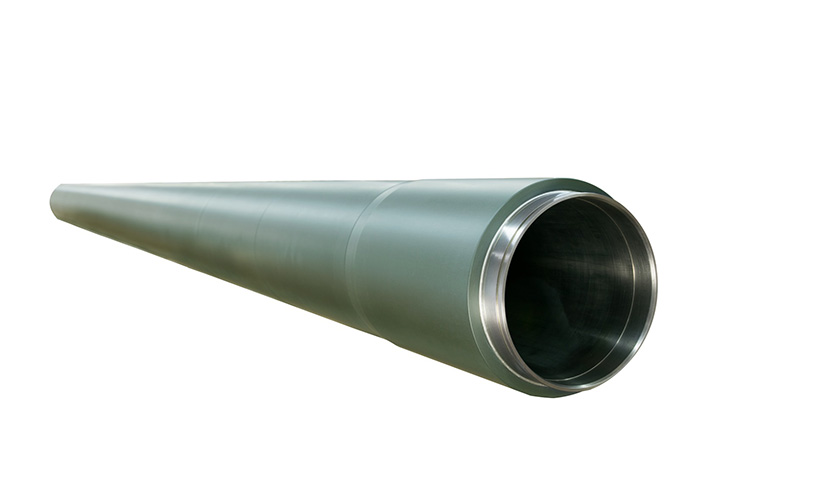
Compared with planar targets, rotary designs offer major advantages:
- Material utilization: Increased from 20–30% to over 70%
- Superior heat dissipation: Tubular structures with internal cooling reduce overheating and cracking
- Improved film quality: Better uniformity and reduced compositional drift
- Longer lifetime: Lower arc discharge probability and reduced poisoning effects
- High-volume manufacturing: Ideal for roll-to-roll and continuous coating systems
Smart Predictive Maintenance
Using IoT-based systems:
Deploy arrays of temperature/vibration sensors
Apply LSTM neural networks for lifetime prediction (error <5%)
Generate automated replacement recommendations and optimize spare-part inventory
VI. Conclusion
Extending the lifetime of sputtering targets requires coordinated optimization of materials, process parameters, and equipment design. Emerging technologies—such as AI-based lifetime prediction, self-healing coating materials, and superconducting magnets for enhanced plasma uniformity—offer promising paths toward further improvements.
A systematic, balanced approach can reduce production costs while ensuring stable film properties, driving sputtering technology toward more efficient and sustainable development.