


In the world of advanced materials, few substances combine extreme hardness, thermal stability, and electrical functionality as effectively as high-purity titanium carbide. Known in the industry as high purity titanium carbide, this ceramic material—typically with a purity level of 99.9% or higher—has become a hidden cornerstone in aerospace engineering, precision manufacturing, electronics, and even medical innovation.
For German industrial companies focused on quality, durability, and technological leadership, high-purity titanium carbide represents not just a material choice, but a strategic advantage. Its unique balance of ceramic resilience and metallic conductivity positions it at the forefront of next-generation engineering solutions.
A Material Born for Extreme Performance
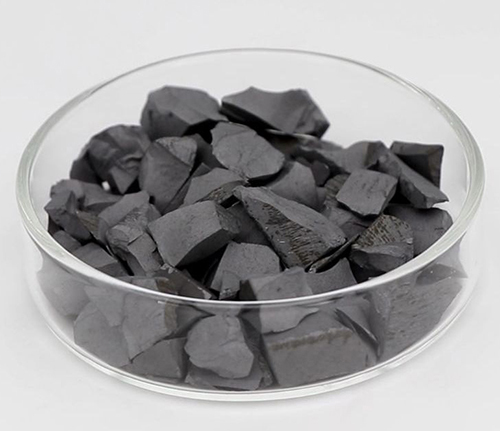
High-purity titanium carbide (TiC) belongs to the family of transition metal carbides. It features a sodium chloride (NaCl)-type cubic crystal structure, giving it a metallic-gray appearance and exceptional structural integrity. While it may look unassuming, its intrinsic properties are remarkable.
1. Exceptional High-Temperature Resistance
One of the defining characteristics of high-purity titanium carbide is its extraordinary thermal stability:
- Melting point: approximately 3140°C
- Boiling point: approximately 4820°C
Even at temperatures approaching 2000°C, TiC maintains structural stability and mechanical strength—far exceeding the limits of most conventional metals and alloys. This makes high purity titanium carbide indispensable in high-temperature processing environments such as metal smelting, aerospace propulsion systems, and advanced ceramics manufacturing.
2. Ultra-High Hardness and Wear Resistance
With a Mohs hardness greater than 9 and a microhardness reaching up to 2850 kg/mm², high-purity titanium carbide ranks just below diamond in hardness. This extreme resistance to abrasion and deformation makes it ideal for:
- Cutting tools and inserts
- Wear-resistant coatings
- Precision machining components
- High-performance dies and molds
In demanding industrial environments, components reinforced or coated with high purity titanium carbide experience significantly extended service life and improved reliability.
3. Metallic Conductivity with Ceramic Stability
Unlike many traditional ceramics, high-purity titanium carbide exhibits excellent electrical and thermal conductivity. Interestingly, its electrical conductivity decreases with increasing temperature—a behavior typical of metallic conductors.
Chemically, TiC is highly inert:
- Insoluble in water, hydrochloric acid, and sulfuric acid
- Resistant to most corrosive environments
- Only dissolved by strong oxidizing mixtures such as aqua regia
This combination of chemical stability and conductive performance enables its use in electronic components, high-temperature electrodes, and functional coatings where both durability and conductivity are required.
The Manufacturing Challenge: Achieving 99.9% Purity
The term “high-purity” in high purity titanium carbide is not a marketing slogan—it is a strict technical benchmark. Achieving a purity level of 99.9% or higher requires rigorous control throughout the entire production process.
Raw Material Selection
Production begins with ultra-high-purity titanium powder and carbon powder (typically ≥99.95%). Trace impurities such as iron, oxygen, or nitrogen can significantly degrade the mechanical and electrical performance of the final product. Therefore, raw material screening is critical.
Advanced Mixing Techniques
Traditional mechanical mixing methods may introduce contamination. Instead, advanced producers often adopt wet chemical dispersion techniques:
- Raw materials are dispersed in organic solvents
- Ultrasonic processing ensures molecular-level uniformity
- Vacuum drying removes residual solvents
This approach ensures homogeneous composition while minimizing impurity introduction.
Forming and Sintering: The Key to Density and Strength
The forming and sintering stages determine the final density and microstructure:
- Cold isostatic pressing (CIP): Suitable for large components
- Hot pressing sintering: Achieves higher density
- Vacuum sintering or hot isostatic pressing (HIP): Prevents oxidation and promotes impurity volatilization
These processes help the material approach its theoretical density, ensuring optimal hardness and performance.
Multi-Level Quality Control
To guarantee consistent quality, advanced testing methods are applied:
- Scanning electron microscopy (SEM) for microstructure analysis
- X-ray diffraction (XRD) for phase identification
- Density and hardness testing
Only after passing strict inspection can the material truly be classified as high-purity titanium carbide.
Applications Across High-Tech Industries
The versatility of high-purity titanium carbide allows it to cross industry boundaries and support technological progress in multiple sectors.
Mechanical Engineering and Cutting Tools
In modern manufacturing, tool performance determines productivity. High purity titanium carbide plays a central role in:
- Cemented carbide formulations
- High-performance coatings for cutting tools
- Wear-resistant machine parts
Its integration significantly improves cutting precision, wear resistance, and operational efficiency—particularly in the machining of hardened steels and superalloys.
Aerospace and Aviation
Germany’s strong aerospace industry demands materials capable of withstanding extreme thermal and mechanical stress. Thanks to its high strength-to-weight ratio and thermal resilience, high-purity titanium carbide is used in:
- Turbine components
- Landing gear systems
- High-temperature structural elements
In these critical applications, material failure is not an option. TiC provides the stability and durability required under extreme pressure and temperature conditions.
Electronics and Data Storage
The conductive properties of high purity titanium carbide make it valuable in advanced electronic systems. It is applied in:
- Conductive layers
- Hard disk drive (HDD) components
- High-temperature electrical contacts
Its stability under thermal stress ensures reliable performance in demanding electronic environments.
Medical and Biomedical Innovation
One of the most exciting emerging applications lies in biomedical engineering. Researchers have developed high-strength titanium carbide thin films that:
- Efficiently remove inflammatory molecules
- Promote bone regeneration
- Enhance implant integration
In controlled studies, newly formed bone volume fractions reached as high as 77.4% after eight weeks—significantly outperforming conventional commercial bone regeneration membranes. These results open promising pathways for orthopedic and dental applications.
Overcoming Limitations: Innovation in Toughness and Customization
Despite its outstanding properties, high-purity titanium carbide has traditionally been limited by brittleness—a common challenge among ceramics.
Recent technological advances are addressing this limitation:
Spheroidization Technology
New heating and rapid-cooling processes regulate internal stress distribution within the material. This “heat–quench” control method improves toughness while preserving hardness.
Elemental Doping and Performance Tailoring
By introducing alloying elements such as chromium (Cr) or molybdenum (Mo), manufacturers can optimize:
- Electrical conductivity
- Wear resistance
- Oxidation resistance
This tailored engineering allows high purity titanium carbide to meet highly specific industrial requirements, further expanding its range of applications.
The Strategic Value of High Purity Titanium Carbide
For German manufacturers operating in high-performance sectors, material selection directly impacts competitiveness. High purity titanium carbide offers:
- Longer component lifespan
- Reduced maintenance costs
- Higher thermal and mechanical safety margins
- Enhanced process efficiency
As industries move toward higher temperatures, faster machining speeds, and more demanding operational conditions, advanced ceramics like high purity titanium carbide will play an increasingly vital role.
Looking Ahead: Expanding Frontiers
From industrial production lines to biomedical breakthroughs, high-purity titanium carbide has proven itself as a material of the future. With continuous improvements in purification, sintering technology, and material engineering, its mechanical limitations are gradually being overcome.
In the coming years, we can expect to see high-purity titanium carbide integrated into:
- Additive manufacturing systems
- Advanced energy technologies
- Semiconductor processing equipment
- Next-generation aerospace platforms
As research progresses and production technologies mature, this “ultra-hard pioneer” will continue to unlock new possibilities in advanced engineering.
Conclusion
High-purity titanium carbide is far more than a high-performance ceramic—it is a strategic material driving innovation across industries. Combining extreme hardness, thermal stability, electrical conductivity, and chemical resistance, it represents a unique synergy rarely found in a single material.
For companies committed to technological excellence and sustainable industrial performance, investing in high-purity titanium carbide is not just a materials decision—it is a step toward long-term competitive strength in global markets.