


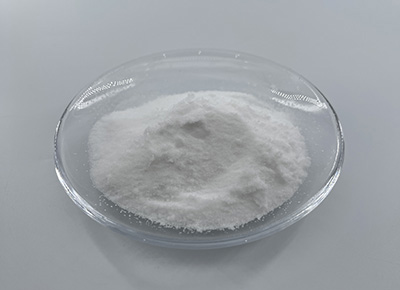
Lithium chloride formula LiCl is a highly soluble white crystalline lithium salt that is deliquescent and has a salty taste. It is classified as low toxicity, but it causes strong irritation and corrosion to the eyes and mucous membranes. Lithium chloride is widely used in metallurgy, air conditioning desiccants, and battery electrolytes.
Its aqueous solution exhibits strong electrical conductivity, but it should be stored in a moisture-proof environment, and care should be taken during handling due to its irritant properties. The following sections introduce the basic characteristics and applications of lithium chloride from several aspects.
What is lithium chloride?
Lithium chloride is a white crystalline compound with deliquescent properties. It is highly soluble in water, ethanol, and ether, and slightly soluble in organic solvents such as acetone, pyridine, and liquid ammonia. Although its structure is similar to that of sodium chloride, the chemical bonds in LiCl are not typical ionic bonds, which allows it to dissolve in a variety of organic solvents and form various adducts with ethanol, methanol, and amines. This property makes lithium chloride commonly used as a medium in separation processes for extracting it from alkali metal chlorides.
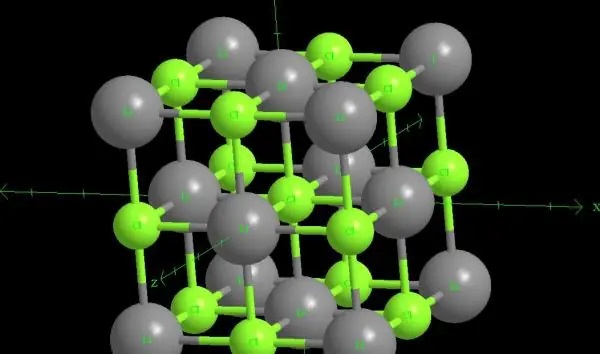
Furthermore, due to the small radius of the lithium ion and its high hydration energy, lithium chloride has a solubility of up to 83 g/100 mL at 20 °C, much higher than that of other group chlorides. As a result, its aqueous solution exhibits slightly basic properties.
In addition, LiCl can react with various substances. For example, it reacts with sulfuric acid to produce lithium sulfate and hydrogen chloride gas. In air, lithium chloride readily absorbs moisture and deliquesces, so it must be stored in a sealed container.
Basic Properties
| Parameters | Value |
|---|---|
| Chemical Formula | LiCl |
| Molecular weight | 42.39 g/mol |
| Density | 2.07 g/mL |
| Melting point | 605 °C |
| Boiling point | 1380 °C |
| Refractive index | 1.381 |
Lithium chloride is highly soluble in water, and its solubility increases with temperature; at 20 °C, approximately 84 g of lithium chloride can dissolve in 100 g of water. Its aqueous solution is neutral and exhibits good electrical conductivity. LiCl also possesses high thermal stability and does not easily decompose under dry conditions.
Preparation Methods of Lithium Chloride
In industrial production, LiCl is mainly prepared from lithium ores or salt lake brines. Common methods include: extracting from spodumene ore, which is crushed, roasted, and reacted with hydrochloric acid, followed by evaporation and crystallization to obtain the product; or producing it from salt lake brines through evaporation and separation processes. These procedures involve both physical and chemical treatments, requiring careful control of temperature, concentration, and other parameters.
Some reagent manufacturers produce anhydrous LiCl by hot filtration of LiCl aqueous solution evaporated to 100-110 °C, yielding an anhydrous salt. However, during this process, heating removes crystallization water and partially hydrolyzes the LiCl, causing a loss of HCl and resulting in a slightly basic product. The preparation of pure anhydrous LiCl requires more rigorous methods, such as dehydration under reduced pressure, co-heating with NH₄Cl, and heating in a dry HCl gas stream up to 200 °C, or using oxygen-free conditions with pure nitrogen spray drying.
What is lithium chloride uses?
Lithium chloride is mainly used in air conditioning systems, as a flux, desiccant, chemical reagent, and in the production of fireworks, dry batteries, and metallic lithium.
- Anhydrous lithium chloride is a key raw material for the production of metallic lithium, primarily used in electrolysis processes.
- In the metallurgical industry, it serves as an additive in aluminum electrolysis, helping to lower the melting point and improve efficiency.
- In air conditioning systems, lithium chloride solutions act as desiccants, absorbing moisture from the air.
- In the battery industry, it is used in the production of lithium-manganese battery electrolytes, facilitating ionic conductivity.
- LiCl is also used in pharmaceuticals and fireworks manufacturing.
- In laboratories, it is commonly used in biological and chemical research.
Future Development
With technological advances, the applications of lithium chloride may expand into new fields, such as energy storage and materials science. As a versatile and common compound, LiCl continues to play an important role in both industrial and research applications.