


What Are Battery Materials?
Battery materials are the functional materials used to manufacture both primary (non-rechargeable) and secondary (rechargeable) batteries. Together, these materials enable the conversion between chemical energy and electrical energy.
Rather than referring to a single substance, battery materials comprise four essential functional components: cathode materials, anode materials, electrolytes, and separators, along with supporting materials such as conductive additives, binders, and current collectors.
Cathode materials: Determine energy density, voltage and battery performance.
Anode materials: Store and release lithium or other charge-carrying ions.
Electrolytes: Transport ions between the electrodes.
Separators: Prevent short circuits while allowing ion transport.
Auxiliary materials: Including conductive additives, binders, and current collectors.
Together, these materials determine a battery’s energy density, charging efficiency, cycle life, safety, and manufacturing cost.
Types of Battery Materials
Battery materials can be classified according to the battery chemistry. Each battery type uses a different combination of materials.
| Battery Type | Cathode | Anode | Electrolyte | Main Applications |
|---|---|---|---|---|
| Lithium-ion | LCO, LFP, LMO, NCM, NCA | Graphite, Silicon-Carbon, LTO | LiPF₆-based electrolyte | EVs, ESS, Consumer Electronics |
| Sodium-ion | Prussian Blue, Layered Oxides, Polyanionic Materials | Hard Carbon | NaPF₆-based electrolyte | Energy Storage, Electric Two-Wheelers |
| Lead-acid | PbO₂ | Pb | Dilute H₂SO₄ | UPS, Automotive Starter Batteries |
| Nickel-Metal Hydride (NiMH) | Ni(OH)₂ | Hydrogen Storage Alloy | KOH Solution | Hybrid Vehicles, Portable Devices |
| Zinc-Manganese | MnO₂ | Zn | Carbon-Zinc or Alkaline Electrolyte | Disposable Batteries |
Among these technologies, lithium-ion batteries remain the dominant solution for electric vehicles, energy storage systems and portable electronics.
Key Materials in Lithium-Ion Batteries
Lithium-ion batteries consist of four core functional materials that largely determine their overall performance.
Cathode Materials
The cathode is one of the most important components in a lithium-ion battery because it directly affects energy density, operating voltage, and cost.
The most common cathode materials include:
LCO offers high energy density and has long been the preferred cathode material for smartphones, laptops, and other consumer electronics. However, its relatively high cost and lower thermal stability limit its use in electric vehicles.
2. Lithium Manganese Oxide (LMO)
LMO provides good safety and lower material costs due to abundant manganese resources. However, its cycle life is relatively short, particularly under elevated temperatures, making it suitable for entry-level EVs and certain energy storage applications.
3. Lithium Iron Phosphate (LFP)
LFP has become one of the dominant cathode materials for electric vehicles and stationary energy storage because of its excellent thermal stability, long cycle life, and high level of safety.
4. Nickel Cobalt Manganese (NCM) / Nickel Cobalt Aluminum (NCA)
NCM/NCA offers an excellent balance between energy density, cycle life, and cost, making it one of the leading cathode materials for long-range electric vehicles.
Anode Materials
The anode stores lithium ions during charging and releases them during discharge, significantly influencing battery cycle life, charging speed, and energy density.
The most commonly used anode materials include:
- Natural graphite
- Synthetic graphite
- Silicon-carbon composites
- Hard carbon
- Lithium titanate (LTO)
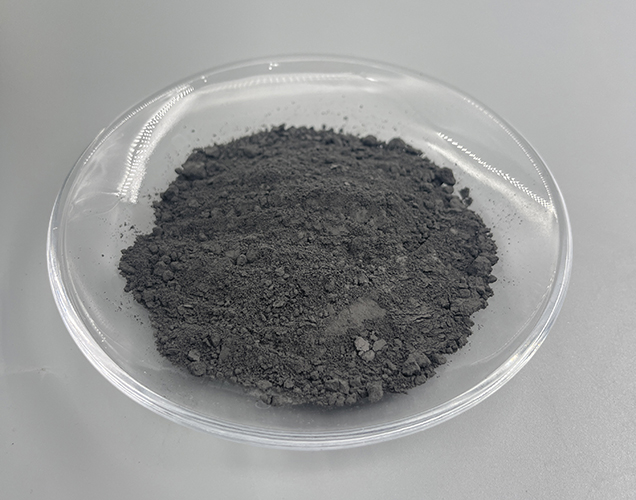
Synthetic graphite currently dominates the market due to its stability and long cycle life. Silicon-carbon anodes offer much higher theoretical capacity and are becoming increasingly important for next-generation EV batteries.
Electrolytes
The electrolyte enables lithium ions to move between the cathode and anode while blocking electron transport. It plays a critical role in battery performance and safety.
Current lithium-ion batteries mainly use organic liquid electrolytes containing lithium salts such as LiPF₆.
Solid-state electrolytes (ceramic, sulfide and polymer materials) are attracting significant attention because they offer improved safety and the potential for higher energy density.
Separator Materials
The separator is a porous membrane positioned between the cathode and anode. It prevents physical contact between the electrodes while allowing lithium ions to pass freely.
Commercial separators are typically made from polyethylene (PE) and polypropylene (PP). High-performance batteries increasingly use ceramic-coated separators such as Al2O3 to improve heat resistance and safety.
Other Common Battery Material Systems
Although lithium-ion batteries dominate the market, several other battery technologies remain important.
Lead-Acid Battery Materials
Lead-acid batteries are among the oldest rechargeable battery technologies and remain widely used due to their low cost and proven reliability.
Typical materials include:
- Cathode: Lead dioxide (PbO₂)
- Anode: Sponge lead (Pb)
- Electrolyte: Dilute sulfuric acid (H₂SO₄)
Lead-acid batteries offer stable voltage and low manufacturing costs but have relatively low energy density. They are widely used in automotive starter batteries, UPS systems, telecommunications, and backup power applications.
Nickel-Metal Hydride (NiMH) Battery Materials
NiMH batteries provide higher energy density than lead-acid batteries and do not contain toxic cadmium.
Their main materials include:
- Cathode: Nickel hydroxide (Ni(OH)₂)
- Anode: Hydrogen storage alloy
- Electrolyte: Potassium hydroxide (KOH)
NiMH batteries are commonly used in hybrid electric vehicles, cordless power tools, and portable electronic devices.
Zinc-Manganese Battery Materials
Zinc-manganese batteries include both carbon-zinc and alkaline batteries and represent the world’s most common disposable battery technology.
Their advantages include:
- Low manufacturing cost
- Reliable performance
- Wide availability
Typical applications include remote controls, toys, flashlights, clocks, and other low-power electronic devices.
Emerging Trends in Battery Materials
Driven by the rapid growth of electric mobility and renewable energy storage, battery materials are evolving toward higher energy density, improved safety, longer service life, and lower production costs.
Solid-State Battery Materials
Solid-state batteries are not a separate battery chemistry but rather a battery architecture that replaces conventional liquid electrolytes with solid electrolytes.
Depending on the design, solid-state batteries may also reduce or eliminate conventional separators, improving both safety and energy density.
Sodium-Ion Battery Materials
Sodium-ion batteries share a similar structure with lithium-ion batteries, consisting of cathodes, anodes, electrolytes, and separators.
The key difference is that sodium ions replace lithium ions as the charge carrier.
Because sodium is abundant and inexpensive, sodium-ion batteries are considered a promising complementary technology for large-scale energy storage applications.
Meanwhile, advanced materials such as silicon anodes, lithium metal anodes, high-nickel cathodes and next-generation solid electrolytes continue to shape the future of battery technology.
Frequently Asked Questions (FAQs)
What materials are used in batteries?
Battery materials typically include cathode materials, anode materials, electrolytes, separators, current collectors, conductive additives, binders, and structural components such as battery casings.
Which battery material system is the most widely used?
Lithium-ion battery materials are currently the most widely used worldwide, powering electric vehicles, energy storage systems, consumer electronics, medical devices, and power tools.
Is a solid-state battery a completely new battery type?
Not exactly. A solid-state battery is a battery technology rather than a distinct battery chemistry. Its defining feature is the use of a solid electrolyte instead of a liquid electrolyte. Most solid-state batteries still rely on lithium ions as the charge carrier.
What is the difference between sodium-ion and lithium-ion batteries?
Both technologies have similar structures, but sodium-ion batteries use sodium ions instead of lithium ions. Lithium-ion batteries currently provide higher energy density, while sodium-ion batteries offer lower material costs and are well suited for stationary energy storage.