

I. What Are Rare Earth Elements?
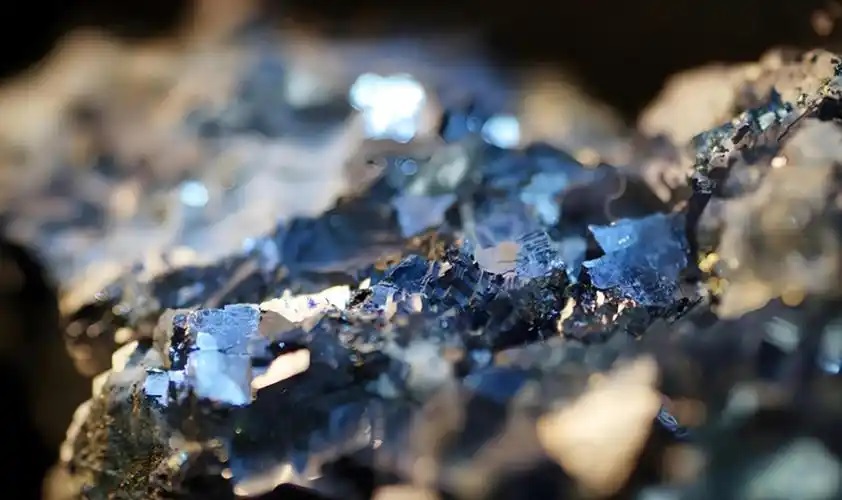
Rare earth elements (REEs) are a group of 17 chemically similar elements consisting of the 15 lanthanides—Lanthanum (La), Cerium (Ce), Praseodymium (Pr), Neodymium (Nd), Promethium (Pm), Samarium (Sm), Europium (Eu), Gadolinium (Gd), Terbium (Tb), Dysprosium (Dy), Holmium (Ho), Erbium (Er), Thulium (Tm), Ytterbium (Yb), and Lutetium (Lu)—along with Scandium (Sc) and Yttrium (Y).
Although grouped together under the term “rare earths,” these elements exhibit subtle differences in their properties due to variations in their electron configurations. Based on these differences, they are commonly classified into light rare earth elements (LREEs) and heavy rare earth elements (HREEs).
Classification of Rare Earth Elements
Light Rare Earth Elements (LREEs)
Also known as the “Cerium Group”, light rare earths include:Lanthanum (La), Cerium (Ce), Praseodymium (Pr), Neodymium (Nd), Promethium (Pm), Samarium (Sm), Europium (Eu), Gadolinium (Gd)
Heavy Rare Earth Elements (HREEs)
Also known as the “Yttrium Group”, heavy rare earths include: Scandium (Sc), Yttrium (Y), Terbium (Tb), Dysprosium (Dy), Holmium (Ho), Erbium (Er), Thulium (Tm), Ytterbium (Yb), Lutetium (Lu)
These two groups differ significantly in their chemical behavior, occurrence, and industrial applications.
Key Characteristics of Rare Earth Elements
Rare earth metals are highly reactive and readily form compounds. They possess unique optical properties, such as luminescence and laser activity, as well as outstanding magnetic characteristics.
Their partially filled 4f electron shells create diverse electronic energy levels, making them indispensable in a wide range of advanced technologies.
Often referred to as the “vitamins of modern industry,” rare earth elements play a crucial role in both traditional industries—such as petroleum refining, chemicals, metallurgy, and ceramics—and emerging sectors, including permanent magnets, phosphors, catalysts, hydrogen storage materials, and other advanced functional materials.
II. Meet the 17 Rare Earth Elements
Lanthanum is a soft, silvery-white metal whose name originates from the Greek word meaning “hidden.” It oxidizes rapidly in air and reacts slowly with cold water. Lanthanum is widely used in piezoelectric materials, thermoelectric materials, optical glass, laser materials, hydrogen storage alloys, catalysts, and specialty alloys. In agriculture, lanthanum-containing films have been used to enhance crop growth, earning it the nickname “super calcium” in some research circles.
Cerium is the most abundant rare earth element in Earth’s crust. A highly reactive silver-gray metal, cerium is extensively used in polishing powders, automotive catalysts, fuel cells, hydrogen storage materials, permanent magnets, and various steel and non-ferrous metal alloys.
Praseodymium is a greenish rare earth metal known for its corrosion resistance compared with several other rare earth elements. It is widely used in petroleum cracking catalysts, high-strength permanent magnets, aerospace alloys, and specialty glasses.
Neodymium is one of the most commercially important rare earth elements. It is a key component of high-performance permanent magnets used in electric vehicles, wind turbines, hard disk drives, and numerous electronic devices. Neodymium-doped materials are also widely used in laser technology.
Promethium (Pm)
Promethium is the only naturally unstable rare earth element. It is radioactive and primarily produced from nuclear fission processes. Due to its radioactivity, its applications are mainly limited to specialized nuclear batteries, scientific research, and measurement instruments.
Samarium is a silvery-white metal best known for its use in samarium-cobalt (SmCo) permanent magnets, which offer excellent temperature stability and corrosion resistance. It is also used in nuclear reactor control systems, ceramics, and catalysts.
Europium is one of the most reactive rare earth metals and is widely used in phosphors for television screens, LED lighting, fluorescent lamps, and display technologies. It also plays an important role in nuclear reactor control materials.
Gadolinium is a silvery-white, ductile metal with exceptional magnetic properties. It is widely used in medical imaging contrast agents, nuclear reactors, magnetic refrigeration technologies, and advanced industrial applications.
Terbium is primarily used in green phosphors for display and lighting technologies. It also enhances the performance of permanent magnets and magnetostrictive materials used in precision actuators and sensors.
Dysprosium is a crucial component in high-temperature permanent magnets. It improves the thermal stability of neodymium magnets, making it essential for electric vehicles, wind turbines, and defense technologies.
Holmium possesses the strongest magnetic moment of any naturally occurring element. It is used in specialized lasers, magnetic materials, and medical applications, including laser surgery.
Erbium is best known for its role in optical fiber communications. Erbium-doped fiber amplifiers are a cornerstone of modern telecommunications networks. It is also used in lasers and specialty glass.
One of the rarest rare earth elements, thulium is used in portable X-ray devices, high-intensity lighting systems, lasers, and certain advanced superconducting materials.
Ytterbium is employed in fiber lasers, stress sensors, atomic clocks, and stainless steel improvements. Its unique electronic properties make it valuable in both industrial and scientific applications.
Lutetium is the densest and hardest rare earth element. Though relatively scarce and expensive, it is used in medical imaging, petroleum refining catalysts, and advanced scientific research.
Scandium is a lightweight transition metal commonly grouped with rare earth elements. It is used in aerospace-grade aluminum alloys, high-intensity lighting, fuel cells, and specialty glass products.
Yttrium was the first rare earth element to be discovered. It is widely used in phosphors, superconductors, laser materials, ceramics, optical glass, and high-performance alloys.
III. Why Are Rare Earth Elements So Important?
The strategic importance of rare earth elements stems from two key factors: their limited supply and their exceptionally high technological value.
Without rare earths, many of the technologies we rely on every day would not exist. Television displays, computer hard drives, fiber-optic communication systems, digital cameras, advanced medical imaging equipment, electric vehicles, wind turbines, and even modern aerospace technologies all depend heavily on rare earth materials. Global petroleum refining processes would also be severely affected without rare earth catalysts.
As the “vitamins of modern industry,” rare earth elements provide unique magnetic, optical, electrical, and catalytic properties that enable the development of advanced materials, including: Rare earth permanent magnets, Catalytic materials, Luminescent materials, Hydrogen storage materials, Magnetic refrigeration materials, Optical fibers, Magneto-optical storage materials, Giant magnetoresistance materials, Rare earth lasers, Superconducting materials, Advanced dielectric materials
These technologies support more than 40 industries across sectors such as aerospace, information technology, electronics, energy, transportation, healthcare, and national defense.
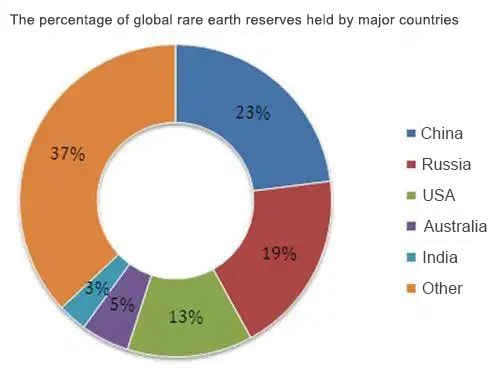
Although the name “rare earth” can be misleading—some rare earth elements are relatively abundant in the Earth’s crust—their economically viable deposits are limited, unevenly distributed, and difficult to mine and refine. While global annual production of steel reaches billions of tons and aluminum exceeds hundreds of millions of tons, the combined annual output of all 17 rare earth elements is measured only in hundreds of thousands of tons.
IV. Conclusion
Rare earth elements may be produced in relatively small quantities, but their impact on modern civilization is enormous. From clean energy and advanced electronics to medical technology and national security, these 17 elements form the foundation of countless innovations that power the modern world. As global demand for high-tech and green technologies continues to grow, rare earth elements will remain among the most strategically important resources of the 21st century.