


In the world of rare earth elements, yttrium oxide may not be the most widely recognized material, yet its exceptional properties and ultra-high purity make it indispensable in many advanced technological fields. From precision optical instruments to next-generation energy storage systems, high-purity yttrium oxide plays a critical role in driving technological innovation and industrial progress. But what exactly is high-purity yttrium oxide?
I. What Is High-Purity Yttrium Oxide?
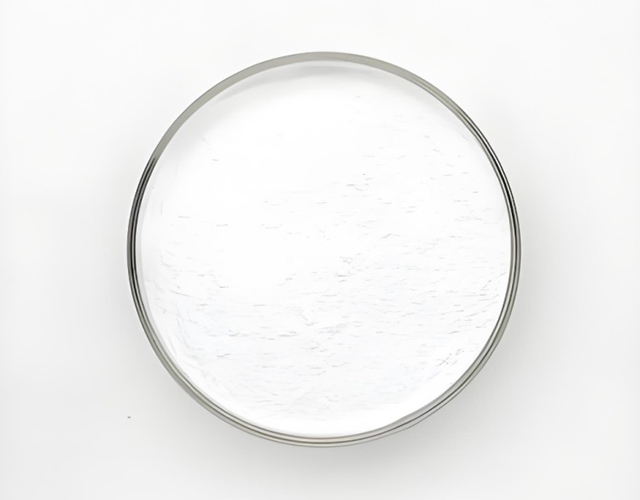
Yttrium oxide, a rare earth oxide with the chemical formula Y₂O₃, typically appears as a white to slightly yellow powder. High-purity yttrium oxide refers to material with a purity level of 99.99% (4N) or higher. In some cutting-edge applications, ultra-high-purity grades of 99.999% (5N) or even 99.9999% (6N) are required.
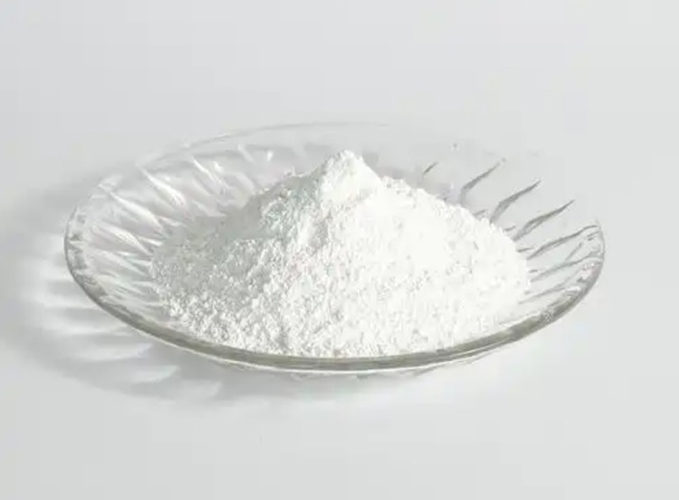
Preparation Process of High-Purity Yttrium Oxide
The production of high-purity yttrium oxide begins with the extraction of yttrium compounds from rare earth ores, followed by multiple refined processes such as precipitation, calcination, and purification. During purification, advanced techniques including solvent extraction and ion exchange are used to remove impurities such as calcium, iron, and silicon. Achieving the extremely high purity required for advanced applications is the core objective of the manufacturing process.
II. Unique Properties of High-Purity Yttrium Oxide
Excellent Optical Properties
High-purity yttrium oxide is well known for its outstanding optical transparency, especially in the infrared spectrum, where it efficiently transmits infrared light. Its high refractive index and excellent chemical stability also make it highly resistant to environmental degradation. These characteristics make it an ideal material for optical lenses and infrared window components.
Outstanding Thermal Stability and Mechanical Performance
With a melting point of up to 2439°C, high-purity yttrium oxide demonstrates remarkable stability under extreme temperatures and is resistant to decomposition and deformation. In addition, its excellent hardness and wear resistance make it an effective additive for high-temperature structural materials, significantly improving thermal resistance and durability.
Unique Electrical and Magnetic Characteristics
High-purity yttrium oxide also offers excellent ionic conductivity and certain magnetic properties. Through doping and material modification techniques, its electrical and magnetic performance can be further enhanced to meet the demanding requirements of electronic components and advanced magnetic materials.
III. Applications of High-Purity Yttrium Oxide
Optical and Optoelectronic Applications
High-purity yttrium oxide plays a central role in optical and optoelectronic technologies. It is widely used as a window material for infrared detectors and as a host material for laser crystals, including Nd:YAG (Neodymium-doped Yttrium Aluminum Garnet) crystals, which are essential in laser cutting and medical laser systems.
It is also used as an additive in optical glass to improve refractive index and light transmission, making it valuable for high-end camera lenses, telescope optics, and other precision optical products.
Electronics and Semiconductor Applications
In the electronics and semiconductor industries, high-purity yttrium oxide is commonly used as an insulating layer material in semiconductor devices. Its excellent insulation performance and thermal stability allow devices to operate reliably under high-power and high-temperature conditions.
In addition, it serves as an important raw material for electronic components such as capacitors and sensors, supporting the ongoing trend toward miniaturization and higher performance in electronic devices.
New Energy and Advanced Materials Applications
High-purity yttrium oxide also demonstrates significant value in new energy and advanced material technologies. In lithium-ion batteries, it is often used as an additive in cathode materials to improve cycle life and charge-discharge performance.
In the field of high-temperature superconductors, yttrium-doped copper oxide superconducting materials can achieve superconductivity at relatively higher temperatures, opening new possibilities for the practical application of superconducting technologies.
Medical and Biomedical Applications
Thanks to its excellent biocompatibility and chemical stability, high-purity yttrium oxide is increasingly used in medical applications. It is commonly applied as a coating material for medical implants to reduce tissue rejection reactions.
Additionally, it serves as an important auxiliary material in medical imaging equipment, helping to improve imaging clarity and diagnostic accuracy.
IV. Future Outlook for High-Purity Yttrium Oxide
Market Demand and Industry Trends
With the rapid growth of emerging industries such as 5G communications, artificial intelligence, electric vehicles, and aerospace technology, demand for high-purity yttrium oxide continues to rise steadily. In particular, there is a strong market demand for ultra-high-purity products with extremely low impurity levels, leading to a supply-demand imbalance in the market.
Future Development and Research Directions
Looking ahead, the future development of high-purity yttrium oxide will focus on two major directions:
- Advancing production technologies by developing more efficient and cost-effective purification processes to further improve purity while reducing manufacturing costs.
- Expanding application areas through doping, composite engineering, and other material modification technologies to create new yttrium oxide-based materials with specialized properties for emerging high-tech applications.
From meticulous purification in advanced laboratories to critical roles in high-end industrial equipment, high-purity yttrium oxide continues to demonstrate its exceptional value as a true “rare earth gem.” As technology advances at an unprecedented pace, this understated material is poised to shine even more brightly in the future.
V. Frequently Asked Questions (FAQs)
Q1: What is yttrium oxide?
A: Yttrium oxide (Y₂O₃) is a rare earth oxide that typically appears as a white powder. It is known for its excellent thermal stability, optical transparency, and chemical resistance. High-purity yttrium oxide is widely used in advanced industries such as optics, electronics, semiconductors, and new energy technologies.
Q2: What is yttrium oxide used for?
A: Yttrium oxide is used in a wide range of high-tech applications. It is commonly used in laser crystals, infrared optics, semiconductor materials, electronic components, lithium-ion batteries, and high-temperature ceramics. It is also used in medical imaging equipment and optical glass to improve performance and durability.
Q3: Is yttrium oxide toxic?
A: Yttrium oxide is generally considered to have low toxicity under normal industrial use. However, like many fine chemical powders, inhalation of dust or prolonged exposure should be avoided. Proper protective equipment and handling procedures are recommended during manufacturing and processing.
Q4: Is yttrium oxide conductive?
A: Pure yttrium oxide is mainly an insulating material with good electrical resistance. However, under certain conditions or through doping and material modification, it can exhibit ionic conductivity, which makes it useful in some electronic and advanced material applications.