


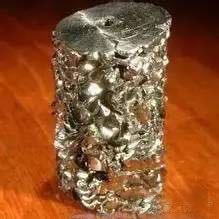
 Overview:
Tantalum hafnium carbide (Ta₄HfC₅) is currently considered one of the compounds with the highest known melting point. It can be viewed as a combination of tantalum carbide (TaC, ~3983°C) and hafnium carbide (HfC, ~3928°C).
Applications:
It is primarily used in rocket components, jet engines, and high-strength parts for extreme heat environments.
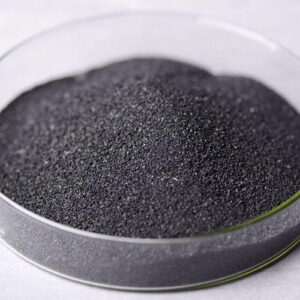 Overview:
Graphite is an allotrope of carbon in which each atom bonds with three others in a hexagonal structure. This unique arrangement gives graphite excellent lubrication, thermal stability, electrical conductivity, and heat resistance.
Applications:
Graphite is widely used in refractory materials, electrodes, lubricants, casting, and high-temperature metallurgy. With the rise of new energy industries, it is also used in battery materials, flexible graphite seals, and advanced composites.
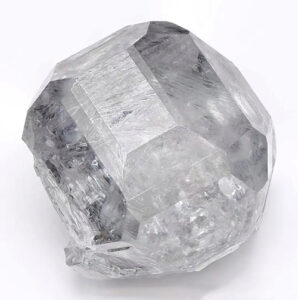 Overview:
Diamond, the hardest natural material, is another allotrope of carbon. Unlike graphite, it has a three-dimensional atomic crystal structure.
Interestingly, graphite has a higher melting point than diamond due to its shorter and stronger covalent bond lengths within its layered structure.
Applications:
Diamond is used in cutting tools, drilling bits, abrasives, precision instruments, and as a precious gemstone. Synthetic diamonds can also be produced from graphite under high temperature and pressure.
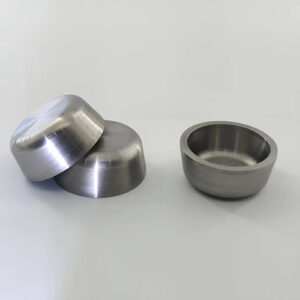 Overview:
Tungsten is a metal element with atomic number 74. It has a very high melting point, high hardness, and excellent resistance to air corrosion at room temperature. It is the highest-melting metal among refractory metals.
Applications:
Tungsten is widely used in filaments, high-speed tool steels, superhard molds, optical devices, and chemical equipment. It is also essential in aerospace and defense industries.
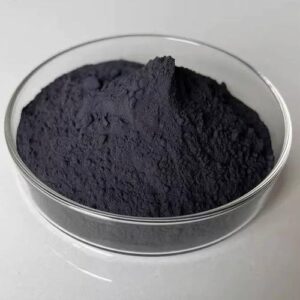 Overview:
Zirconium diboride is a highly covalent ceramic material with a hexagonal crystal structure. It belongs to the class of ultra-high temperature ceramics (UHTCs) and features high melting point, relatively low density, and strong thermal performance.
Applications:
Used in hypersonic vehicles, rocket propulsion systems, cutting tools, thermocouple protection tubes, and electrodes for molten materials.
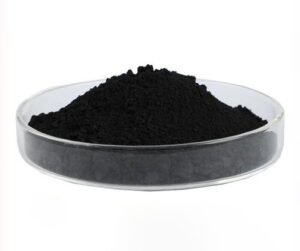 Overview:
Titanium diboride is a gray to black ceramic material with high hardness and excellent thermal conductivity, oxidation resistance, and mechanical durability.
Applications:
It is commonly used as a cathode material in aluminum smelting and in wear-resistant components.
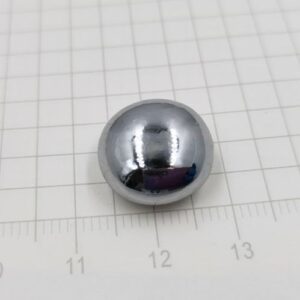 Overview:
Rhenium is a rare, silver-white heavy metal and one of the rarest elements in the Earth’s crust. It has an extremely high melting and boiling point and can form stable oxides such as Re₂O₇.
Applications:
Used in rocket engines, satellite components, nuclear reactors, and high-temperature filaments.
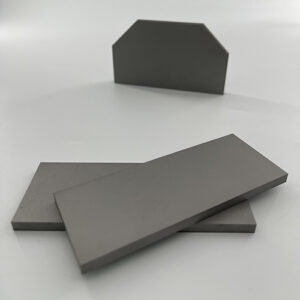 Overview:
Titanium carbide is an ultra-hard ceramic (Mohs hardness 9–9.5) with a metallic luster and a face-centered cubic structure. It has excellent thermal and electrical conductivity and can exhibit superconductivity at low temperatures.
Applications:
Widely used in cermets, wear-resistant materials, cutting tools, high-temperature coatings, and vacuum devices.
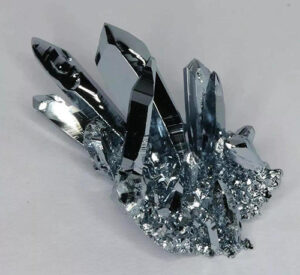 Overview:
Osmium is one of the densest known metals and belongs to the platinum group. It is hard but brittle and difficult to process, with strong stability in air.
Applications:
Used in ultra-hard alloys, and in combination with other platinum-group metals for instrument bearings, fountain pen tips, and precision devices.
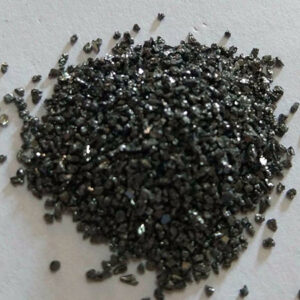 Overview:
Silicon carbide is a high-performance ceramic known for its extreme hardness, excellent corrosion resistance, and high thermal conductivity. It also has outstanding thermal shock resistance.
Applications:
Commonly used in refractory materials, high-temperature electronics, furnace components, and advanced structural ceramics.